1904
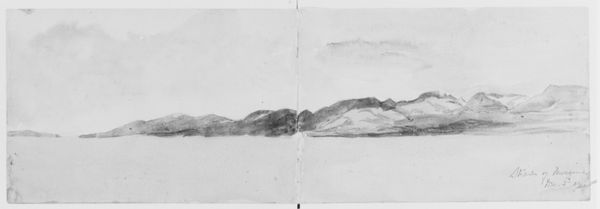
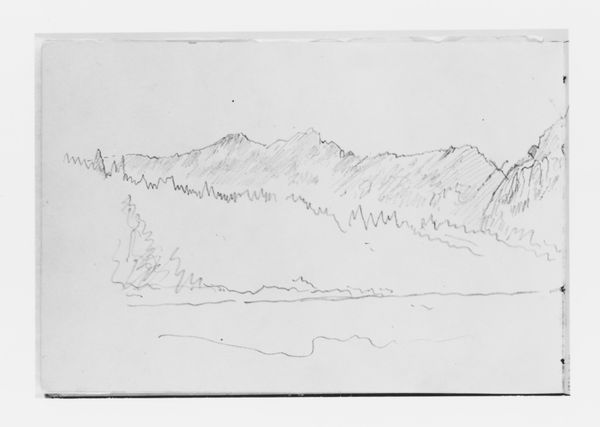
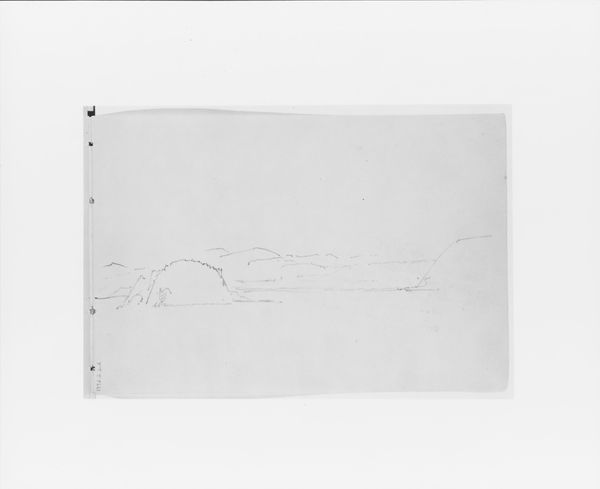
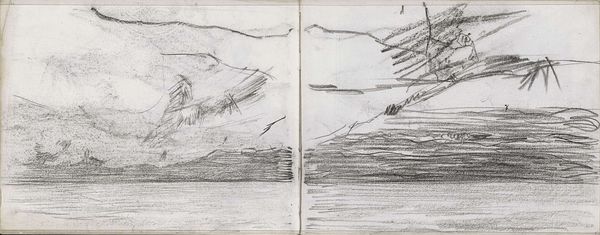
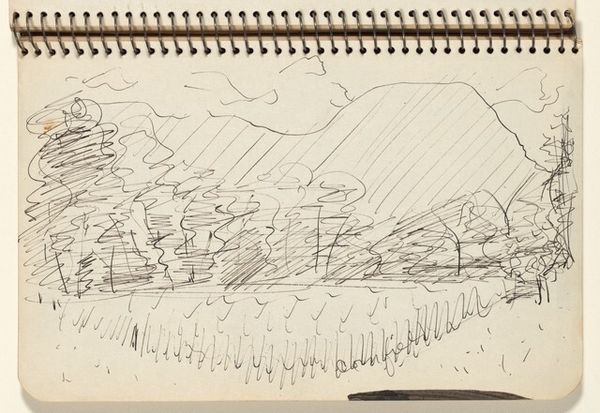
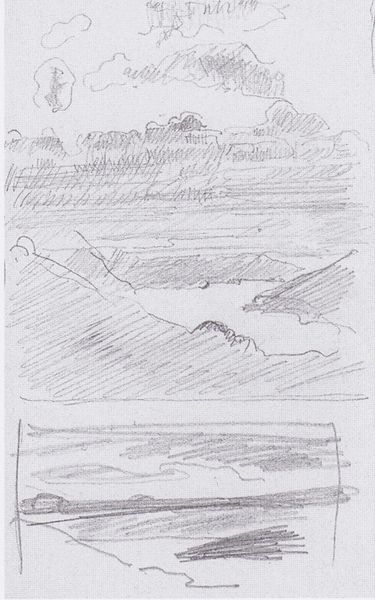
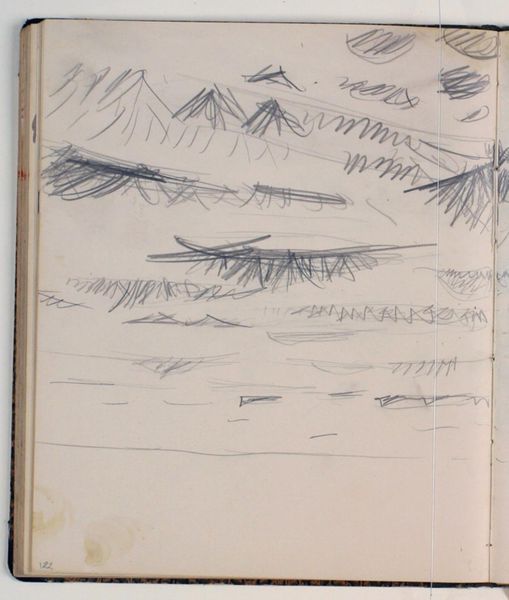
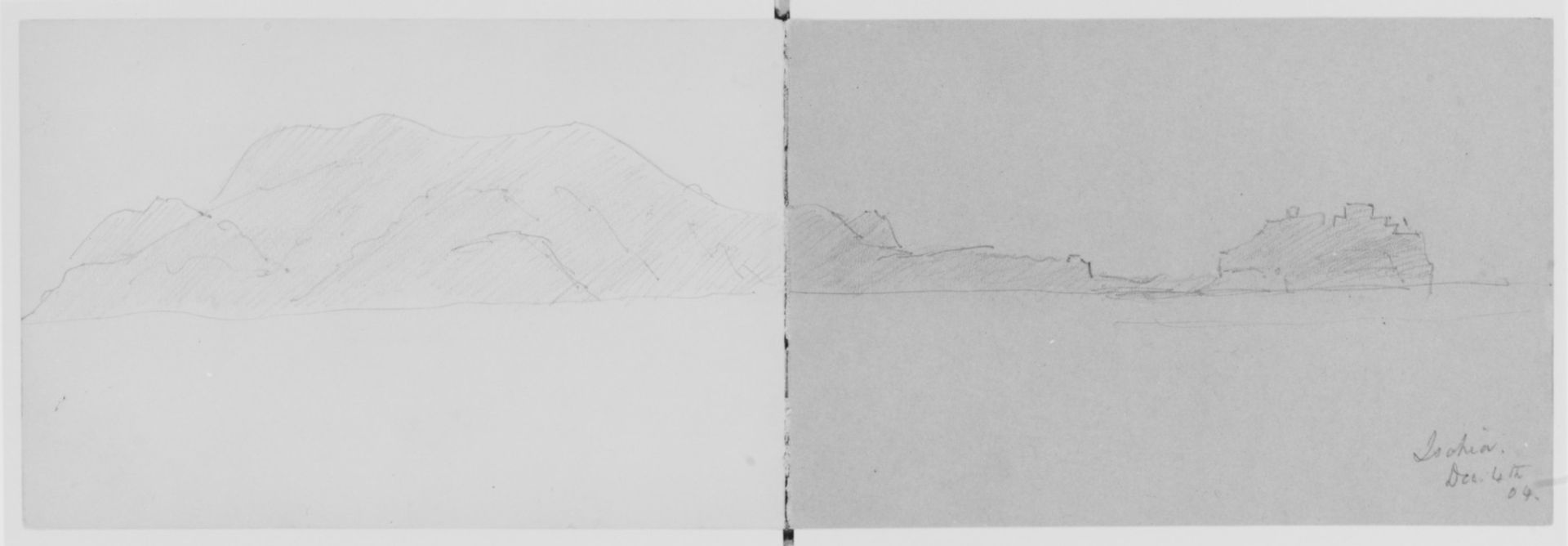
Ischia, 1904 (from Sketchbook)

Mary Newbold Sargent
1826 - 1906
The Metropolitan Museum of Art
Metropolitan Museum of Art, New York, NYListen to curator's interpretation
Curatorial notes
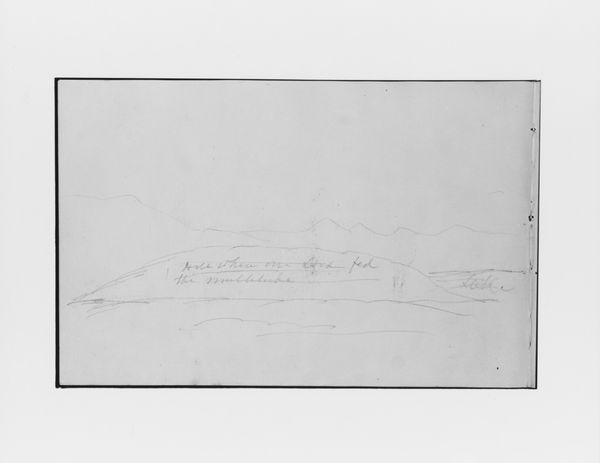
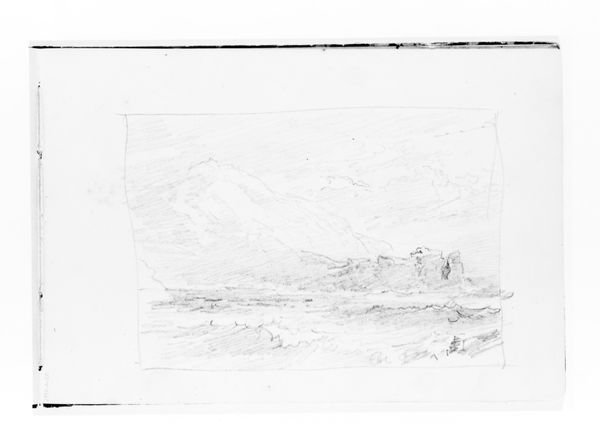
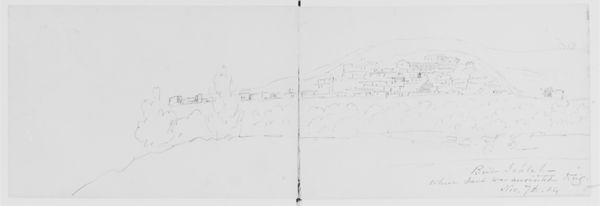
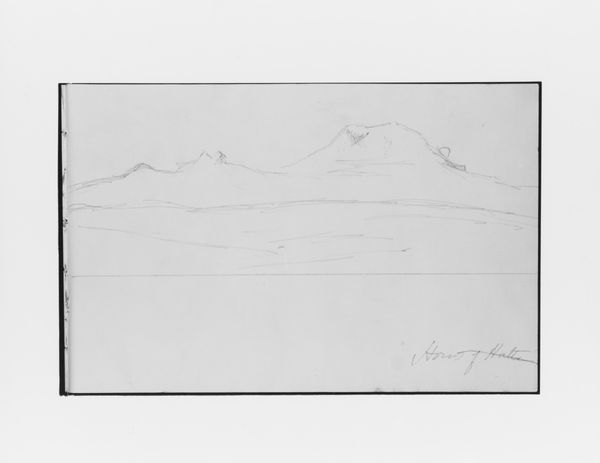
Editor: Here we have Mary Newbold Sargent's pencil drawing, "Ischia, 1904 (from Sketchbook)." The spareness of the materials gives it such a feeling of immediacy, like we’re seeing exactly what she saw on that day. What can you tell me about this piece? Curator: It's interesting to consider this work in terms of artistic labor. A 'sketchbook' suggests casual, almost automatic, production. But what were the material conditions that allowed Sargent this leisure time? Consider the social status implied by the very act of producing a landscape 'en plein air' – what resources made that possible? Editor: That's a great point. It looks so simple, but someone had to provide the materials and allow her the freedom to travel and create. Is there something particularly interesting about pencil as a medium here? Curator: Precisely! Pencil, often seen as a tool for preparatory work, highlights the process. The choice to present this as a final product challenges established hierarchies valuing oil painting. What does the reproduction of this sketch – and its exhibition within an institution like the Met – tell us about changing attitudes toward artistic creation and 'finished' artwork? Editor: It makes you wonder who decided this was 'worthy' of preservation and display, doesn't it? So much art produced under different material circumstances simply doesn't make it into major institutions. Curator: Exactly. Thinking materially directs our attention away from just aesthetics toward issues of production, power, and value. Editor: I’ll definitely look at art differently now! Considering the labour and the resources helps unlock hidden meanings. Curator: Yes, by foregrounding these factors, we avoid passively consuming the artwork and actively interrogate the systems within which it was produced and continues to circulate.