c. 1660 - 1662
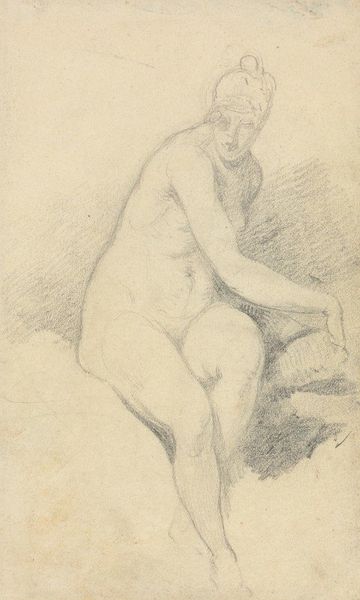
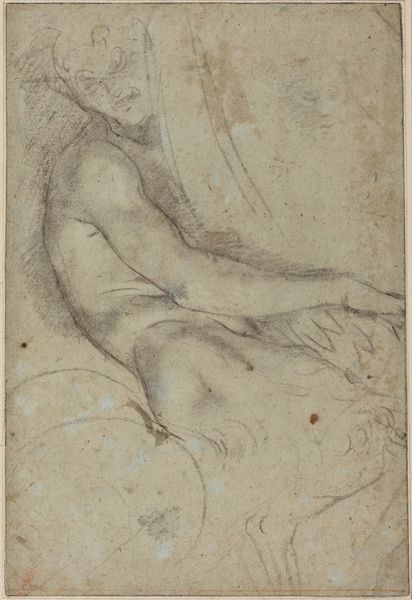
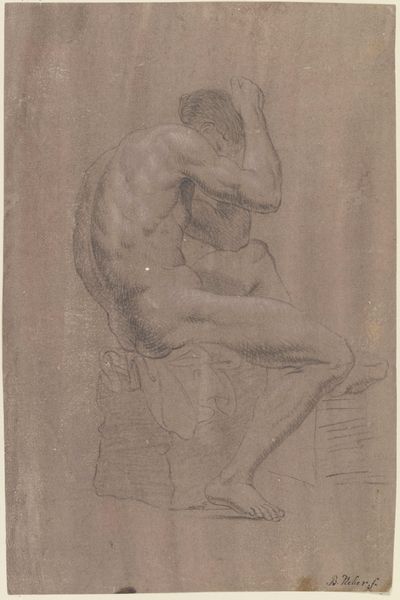
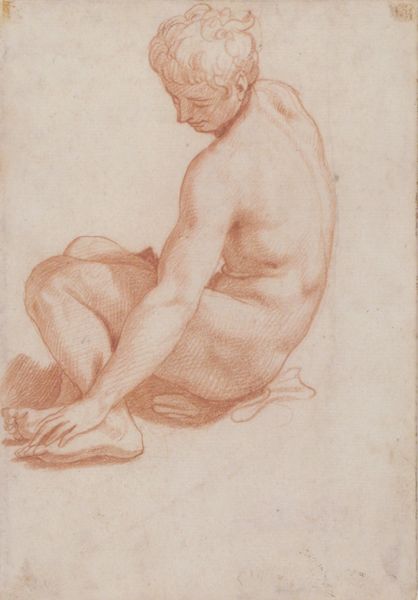
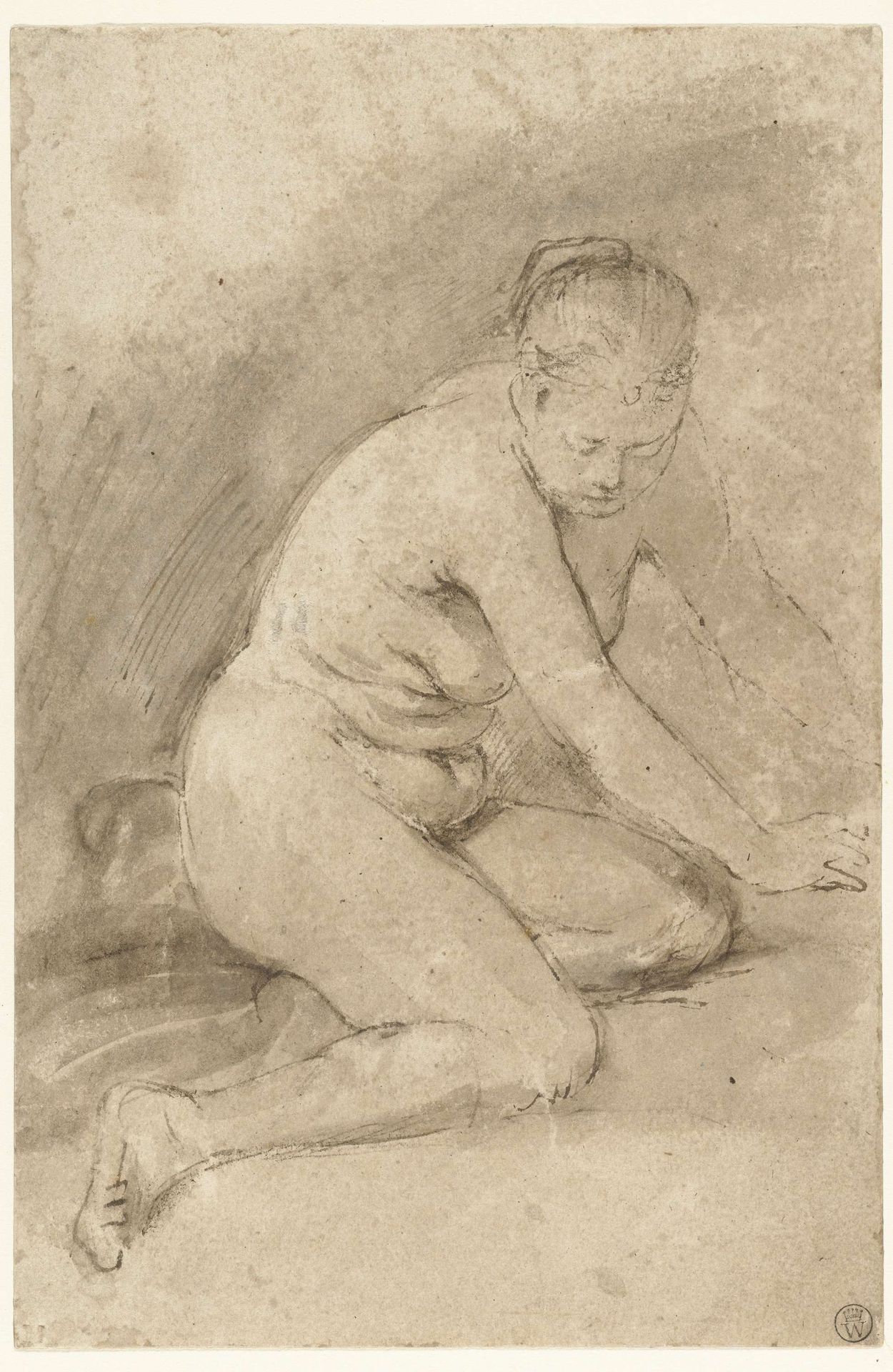
Kneeling Female Nude with Outstretched Arms

Listen to curator's interpretation
Curatorial notes
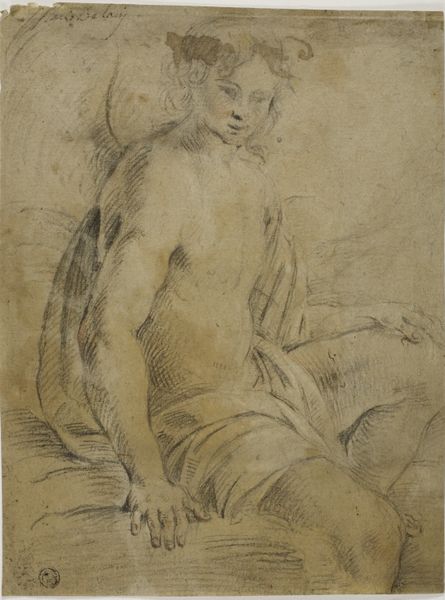
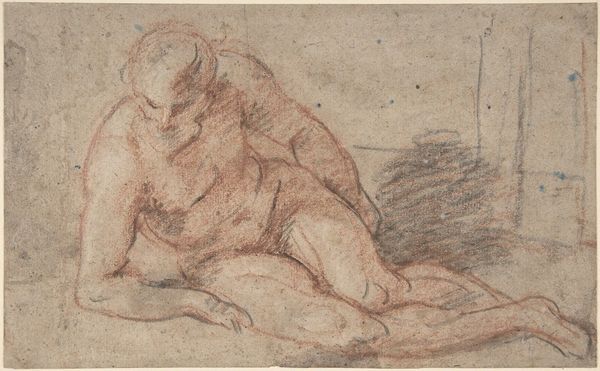
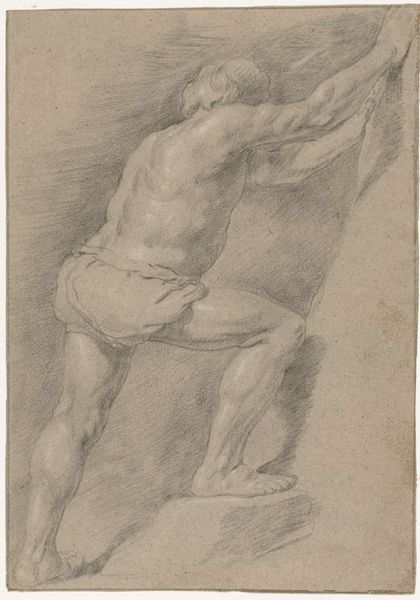
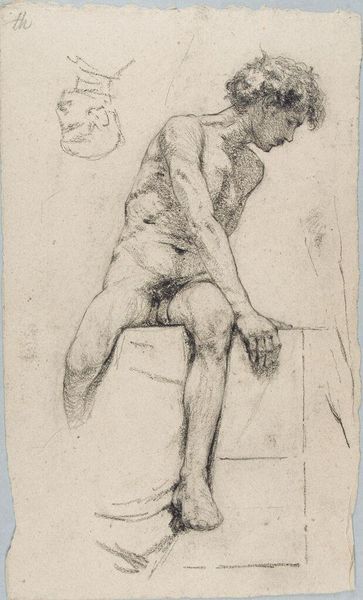
Editor: This is Aert de Gelder's "Kneeling Female Nude with Outstretched Arms," a charcoal and pencil drawing from around 1660-1662. I'm struck by the intimacy of the pose; it feels very private and vulnerable. How do you interpret this work, particularly in the context of its time? Curator: It's interesting that you pick up on that sense of intimacy. In the context of the 17th century, depictions of the nude body were often laden with allegorical or mythological meaning, which served to create a safe distance between the viewer and the subject. But Gelder’s focus here is simply on the human form, captured in a moment of quiet contemplation, or perhaps supplication. How might that defiance of genre be considered subversive, perhaps a way of claiming artistic agency for marginalized bodies? Editor: That's a really interesting point. So, it's less about idealized beauty and more about...authenticity? Curator: Precisely. Gelder, as a student of Rembrandt, would likely have seen value in representing subjects with a degree of realism, countering conventional ideals of the female form. The pose, seemingly straightforward, takes on new resonance. Are her outstretched arms a plea? An offering? How do those ambiguities engage with prevailing narratives about women? Consider also, who was this model? Did she have agency in this artistic depiction? What was her relationship to the artist and patron? Editor: I hadn't thought about those questions related to agency. It definitely makes me consider it differently, thinking about whose gaze is prioritized and what stories are not being told. Curator: Exactly. It opens up a conversation, doesn't it? Examining these absences within art history helps us understand the power structures at play. Editor: Definitely. I’ll remember that next time.