![Roman antiquities outside Rome drawn and etched by Giambat[is]ta Piranesi, Venetian Architect by Giovanni Battista Piranesi](https://d2w8kbdekdi1gv.cloudfront.net/eyJidWNrZXQiOiAiYXJ0ZXJhLWltYWdlcy1idWNrZXQiLCAia2V5IjogImFydHdvcmtzL2UxNzU3ZmM1LWNlZjQtNDlhMy05MTM1LTQ3MmFiMmNlNTE1YS9lMTc1N2ZjNS1jZWY0LTQ5YTMtOTEzNS00NzJhYjJjZTUxNWFfZnVsbC5qcGciLCAiZWRpdHMiOiB7InJlc2l6ZSI6IHsid2lkdGgiOiAxOTIwLCAiaGVpZ2h0IjogMTkyMCwgImZpdCI6ICJpbnNpZGUifX19)
About this artwork
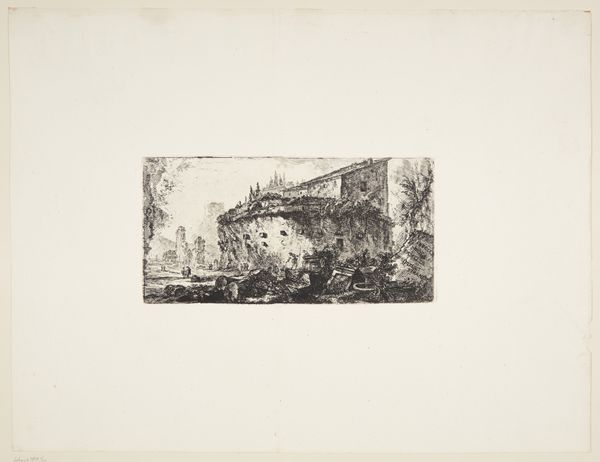
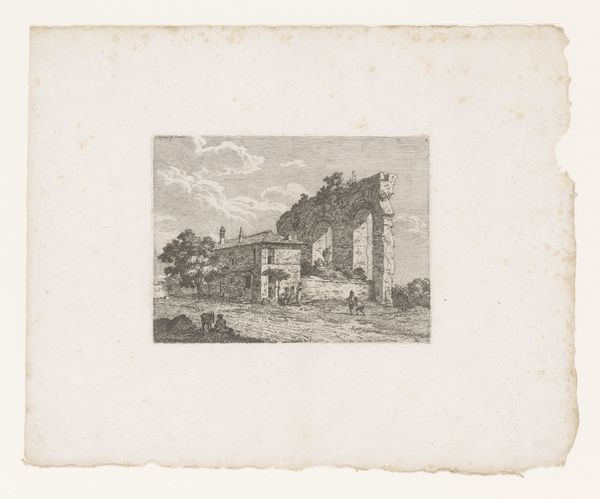
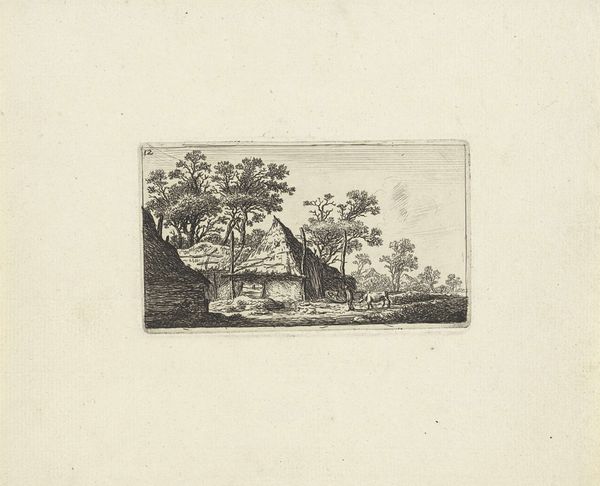
"Roman Antiquities outside Rome" was etched by Giovanni Battista Piranesi, a Venetian architect, at an unknown date. Piranesi was active during a time when the concept of the "Grand Tour" was in vogue, where wealthy Europeans, particularly the British, traveled to Italy to experience its art, culture, and history. Piranesi’s prints became popular souvenirs for these travelers, and he was very interested in the revival of classical antiquity that defined much of 18th-century art and architecture. His detailed depictions of Roman ruins romanticized the past. These works often evoke a sense of nostalgia and wonder for a bygone era. Piranesi's focus on Roman antiquities reflects not only the artistic trends of his time but also a deeper engagement with questions of identity, memory, and the passage of time. These etchings connect us to a world that is both familiar and distant, inviting us to contemplate the layers of history that shape our present.
Roman antiquities outside Rome drawn and etched by Giambat[is]ta Piranesi, Venetian Architect
1748


Artwork details
- Medium
- print, etching, engraving
- Dimensions
- 131 mm (height) x 265 mm (width) (plademaal)
- Location
- SMK - Statens Museum for Kunst
Tags
Comments
Share your thoughts
About this artwork
"Roman Antiquities outside Rome" was etched by Giovanni Battista Piranesi, a Venetian architect, at an unknown date. Piranesi was active during a time when the concept of the "Grand Tour" was in vogue, where wealthy Europeans, particularly the British, traveled to Italy to experience its art, culture, and history. Piranesi’s prints became popular souvenirs for these travelers, and he was very interested in the revival of classical antiquity that defined much of 18th-century art and architecture. His detailed depictions of Roman ruins romanticized the past. These works often evoke a sense of nostalgia and wonder for a bygone era. Piranesi's focus on Roman antiquities reflects not only the artistic trends of his time but also a deeper engagement with questions of identity, memory, and the passage of time. These etchings connect us to a world that is both familiar and distant, inviting us to contemplate the layers of history that shape our present.
Comments
Share your thoughts