About this artwork
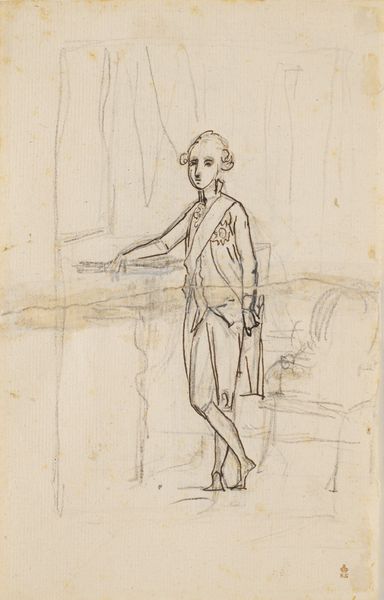
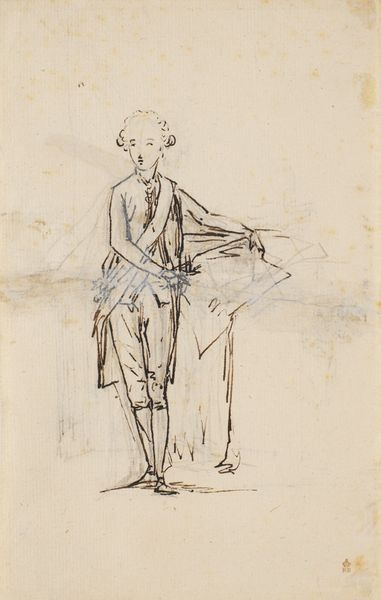
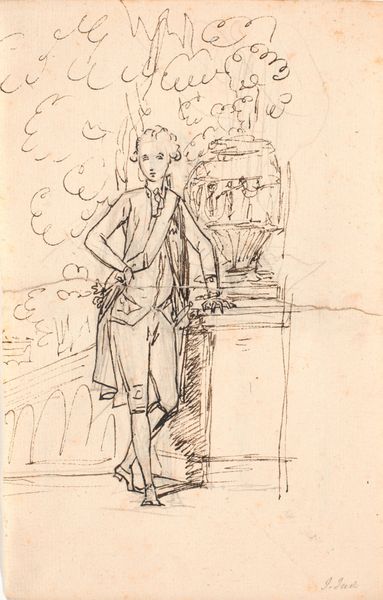
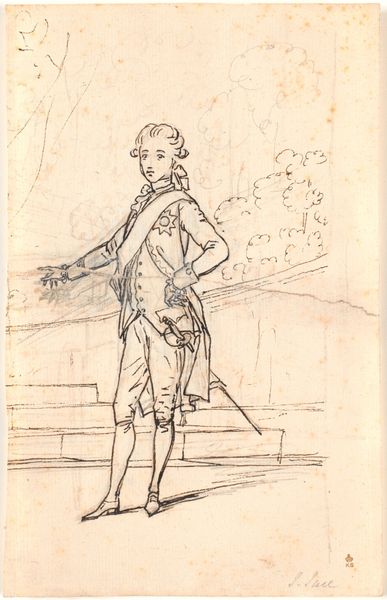
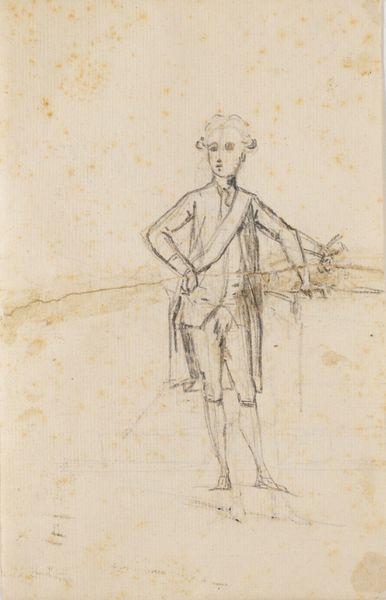
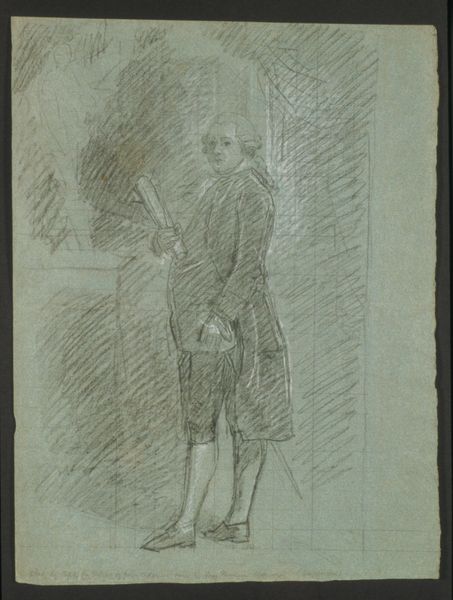
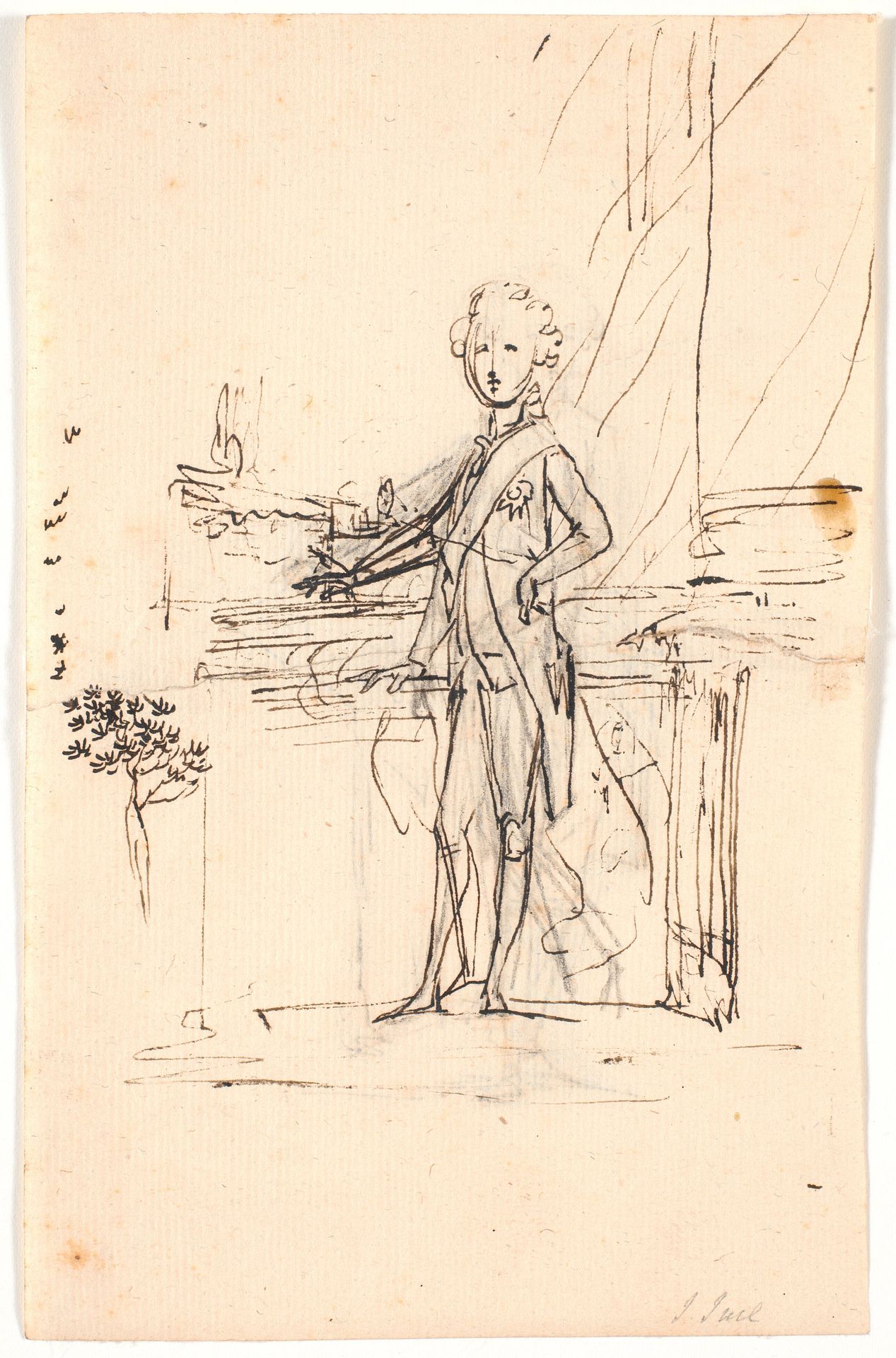
Jens Juel created this compositional sketch for a full-length portrait of Frederik VI as a young crown prince, probably sometime in the late 18th century. It depicts the future king of Denmark standing confidently, adorned with royal regalia. In its time, portraiture of royalty served as a tool for constructing and maintaining power. The images were carefully crafted to project an image of authority, legitimacy, and cultural sophistication. Juel, as a leading portraitist in Denmark, played a crucial role in shaping the visual identity of the monarchy. The sketch gives us insight into the visual codes of the time, showing the way that status was communicated through gesture and dress. To fully understand this work, scholars consult sources such as royal archives, records of the art academy, and the artist's other works. By looking at these, we can better grasp the social and institutional context in which Juel and Frederik operated.
Kompositionsudkast til portræt i hel figur af Frederik den sjette som ung kronprins. Stående ved et bord, en face mod venstre
1781


Artwork details
- Medium
- drawing, ink
- Dimensions
- 218 mm (height) x 138 mm (width) (bladmaal)
- Location
- SMK - Statens Museum for Kunst
Tags
Comments
Share your thoughts
About this artwork
Jens Juel created this compositional sketch for a full-length portrait of Frederik VI as a young crown prince, probably sometime in the late 18th century. It depicts the future king of Denmark standing confidently, adorned with royal regalia. In its time, portraiture of royalty served as a tool for constructing and maintaining power. The images were carefully crafted to project an image of authority, legitimacy, and cultural sophistication. Juel, as a leading portraitist in Denmark, played a crucial role in shaping the visual identity of the monarchy. The sketch gives us insight into the visual codes of the time, showing the way that status was communicated through gesture and dress. To fully understand this work, scholars consult sources such as royal archives, records of the art academy, and the artist's other works. By looking at these, we can better grasp the social and institutional context in which Juel and Frederik operated.
Comments
Share your thoughts