1879 - 1937
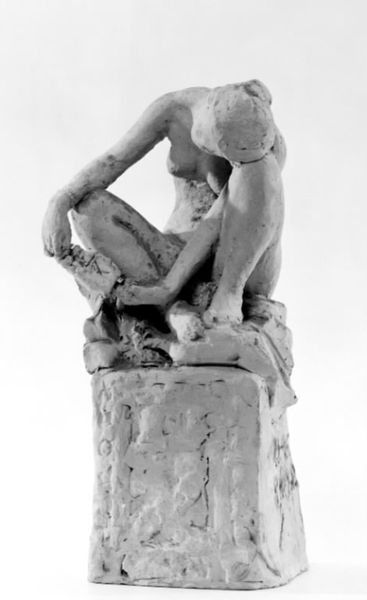
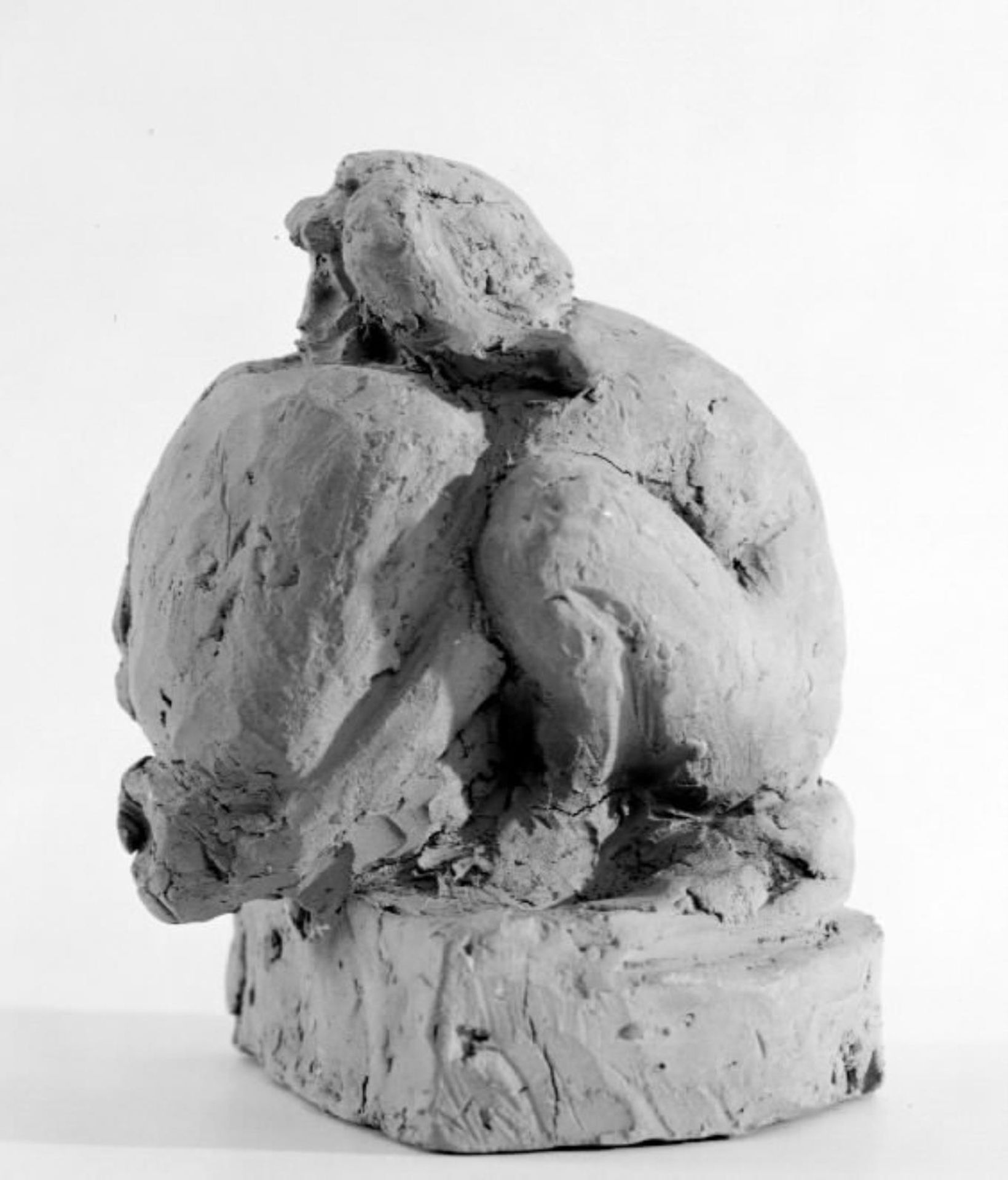
Sammenkrøbet mand med vædderhorn og vandsæk


Listen to curator's interpretation
Curatorial notes
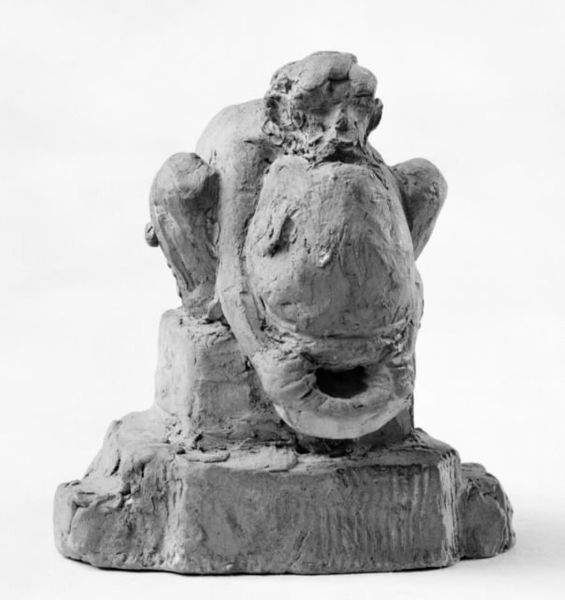
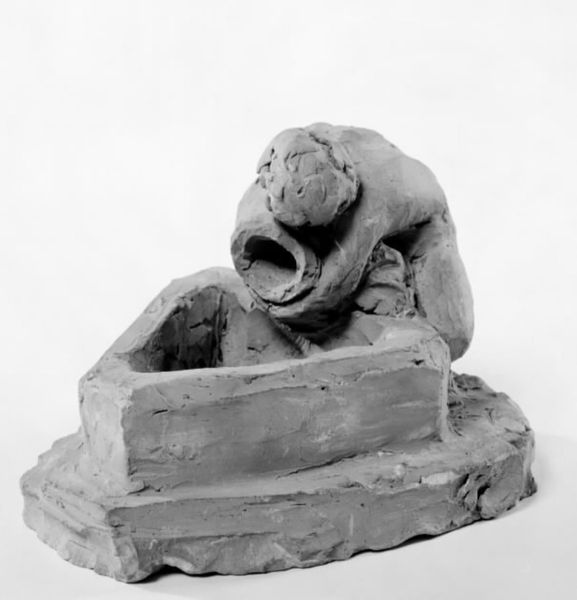
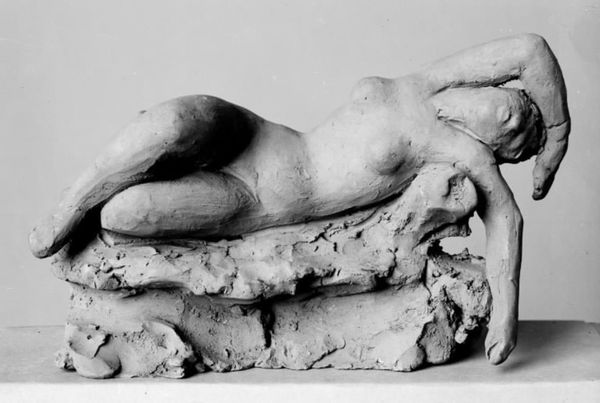
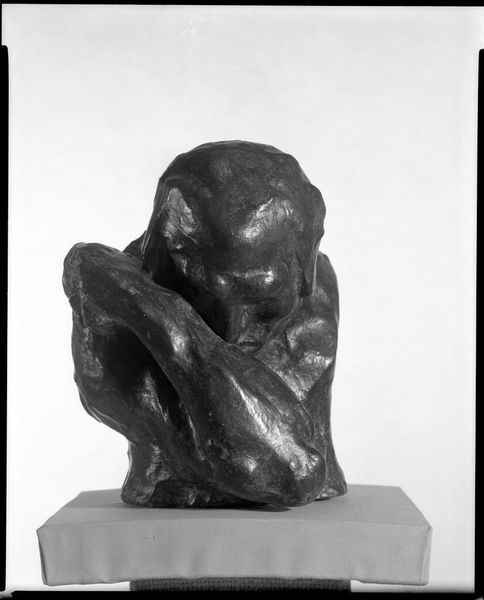
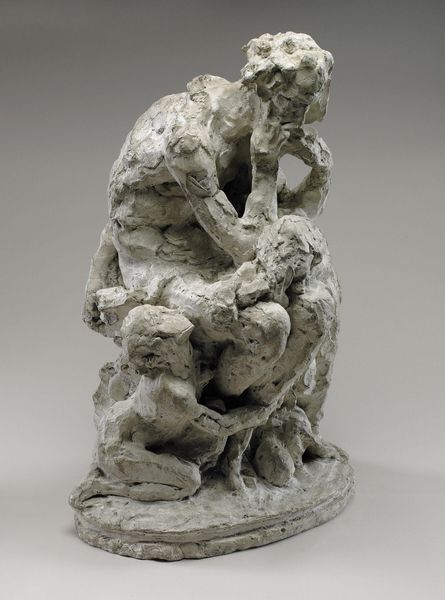
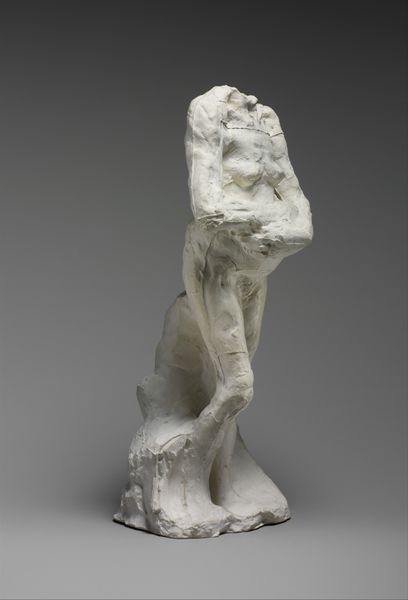
Anders Bundgaard made this small clay sculpture, "Sammenkrøbet mand med vædderhorn og vandsæk", sometime between 1864 and 1937. The lack of finish is what really makes it, I think, the immediacy of the modelling. You can see Bundgaard’s fingerprints all over it. The surface has this rough, almost crumbly texture. The clay seems built up in layers, a bit like the way I build up paint, adding and subtracting until I arrive at something that feels right. Look at the way the head is tucked down, almost merging with the body, and see how the base is just a rough block. It’s as if he wanted to capture a fleeting thought, a raw emotion, without getting bogged down in details. There's a vulnerability to it, a sense of someone grappling with something deep. It reminds me a little of Rodin, but more personal somehow. Both artists embraced ambiguity, knowing that art is more about the questions it raises than the answers it gives.