1865 - 1913
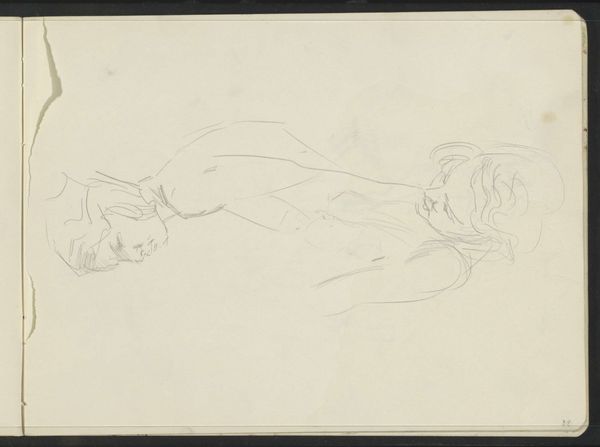
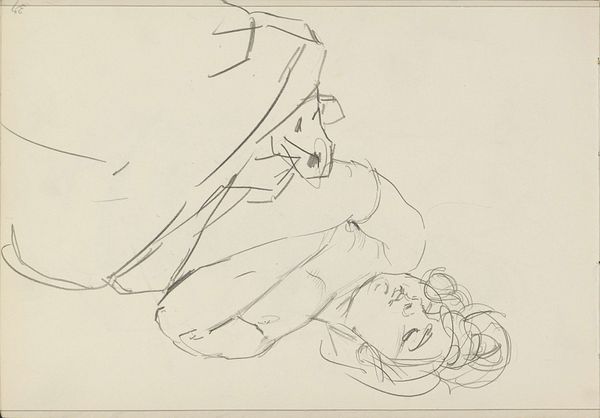
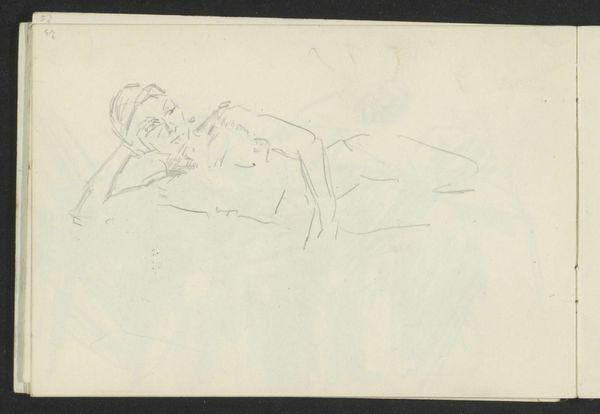
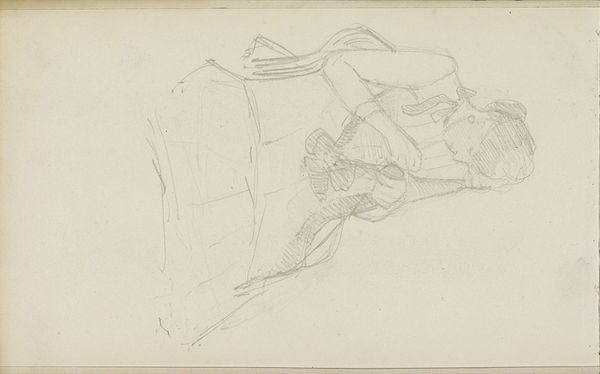
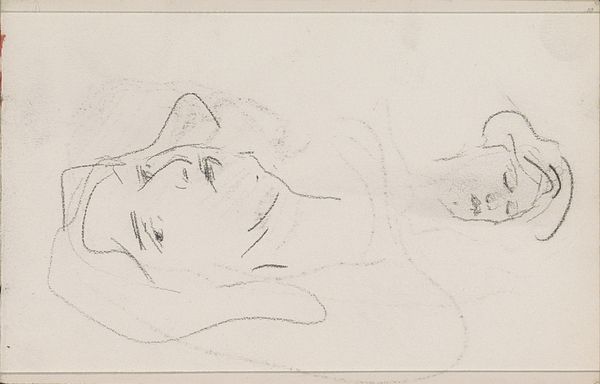
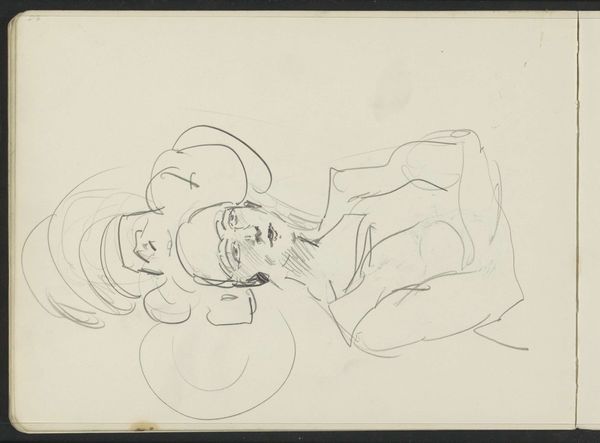
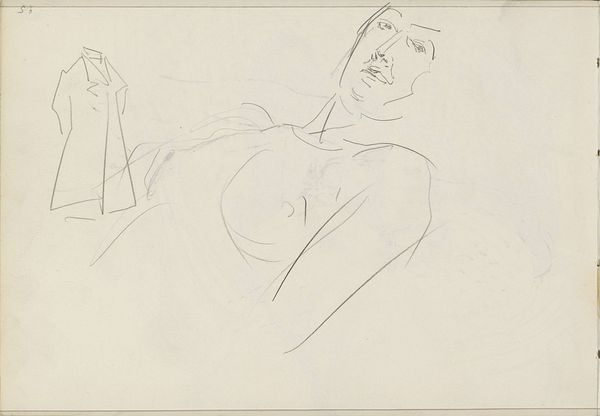
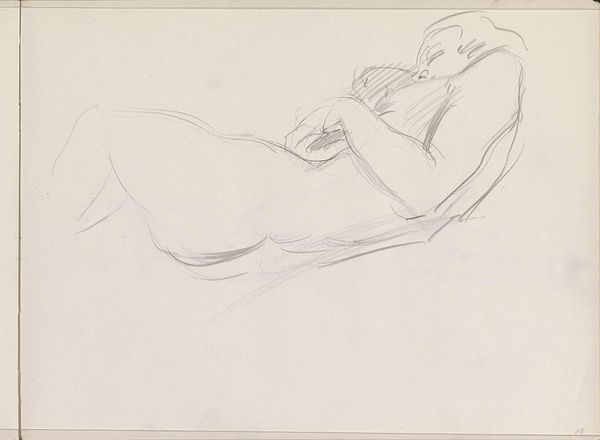
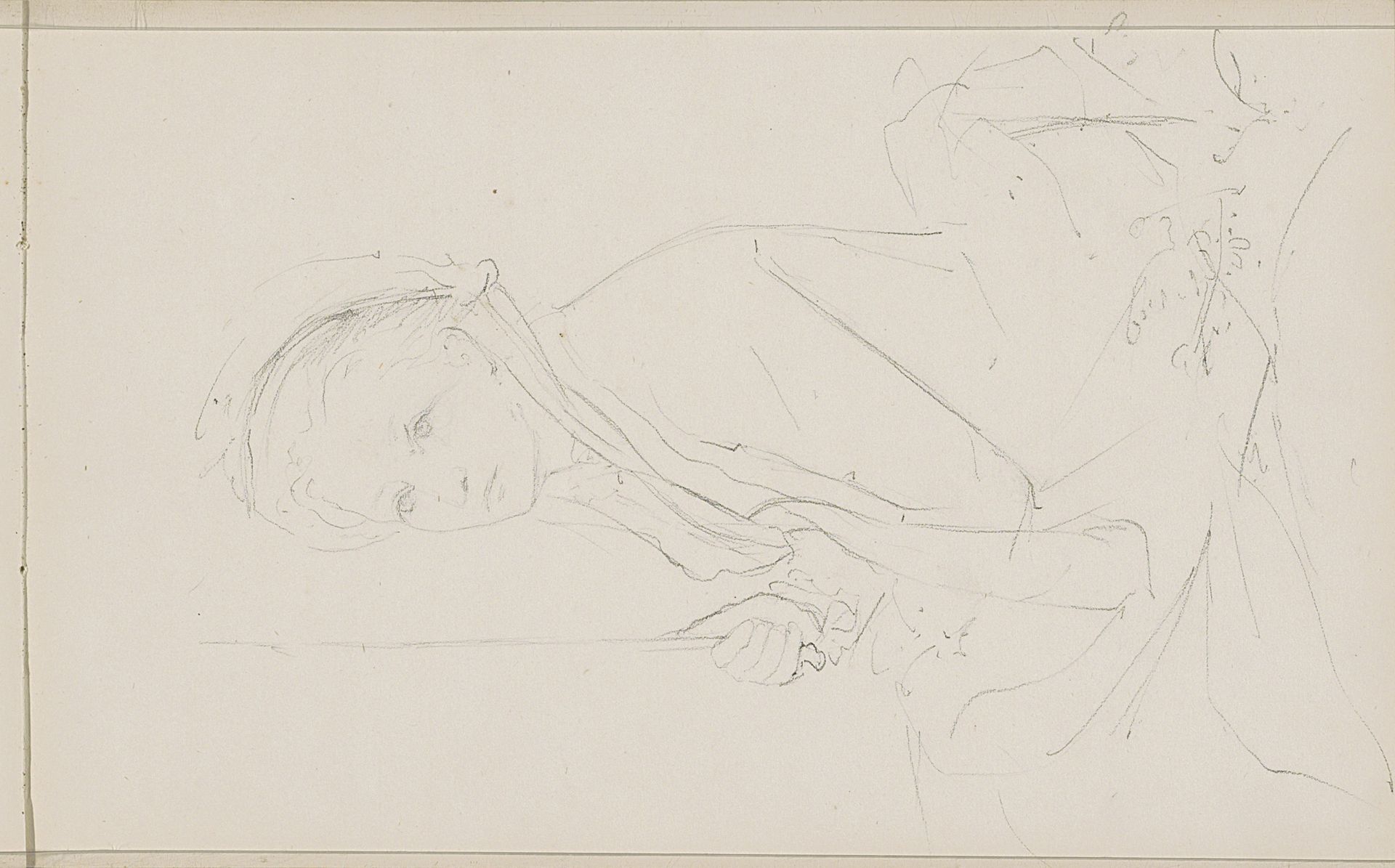
Zittende vrouw die het handvat van een parasol vasthoudt

Bramine Hubrecht
1855 - 1913Location
RijksmuseumListen to curator's interpretation
Curatorial notes
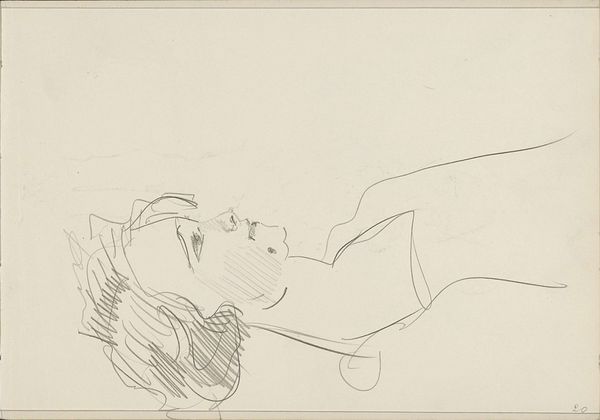
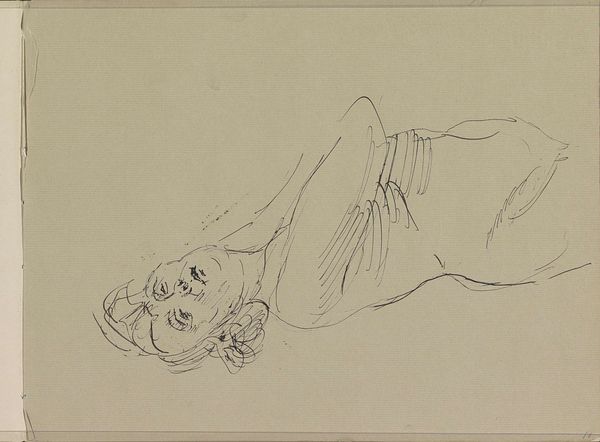
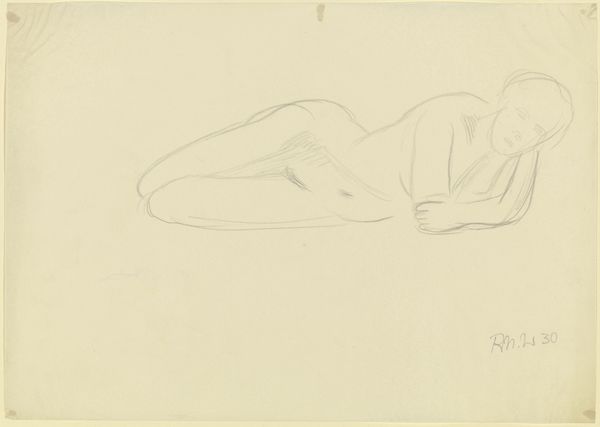
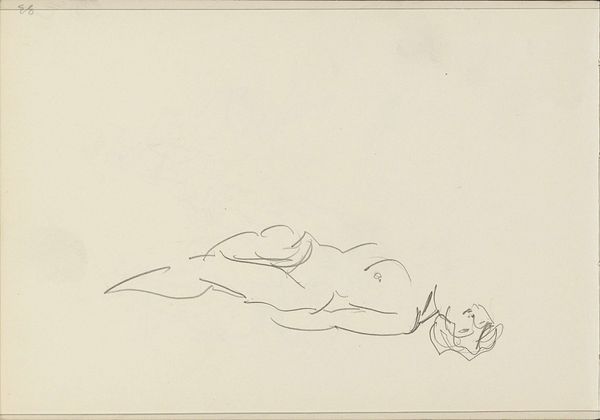
Curator: There's such a tenderness to this preliminary drawing; it feels incredibly intimate. Editor: Preliminary is right! All those almost chaotic pencil lines really bring the labor into the experience, the many failed and corrected gestures needed to get a form onto paper. I’m thinking about the role of these academic exercises in 19th-century art education… Curator: We're looking at "Zittende vrouw die het handvat van een parasol vasthoudt", or "Seated Woman Holding the Handle of a Parasol." The Rijksmuseum dates this pencil drawing on paper anywhere from 1865 to 1913, and attributes it to Bramine Hubrecht. She’s lost in thought, I imagine? The subtle modeling suggests a delicate inner world. Editor: Well, a parasol suggests someone who probably didn't do any of her own physical labor; I'm drawn to what isn’t present: the presumed labour hierarchies of the studio and the sitter's likely class position that made her a worthy, or profitable, subject in the first place. It’s just…faintly rendered, of course. Curator: But the faintness gives it that fleeting quality, like catching a secret. The details—her hair, the suggestion of fabric—hint at her reality. What was *she* dreaming of, do you think? It also gives this the style of academic-art. Editor: Academic art, meaning reliant on certain established ways of representing a body or ideal, through highly trained—read, skilled but regimented—hands! The material constraints and availability definitely shaped the composition too. Did she just have paper and a pencil handy, and that was that? How did Hubrecht navigate the predominantly male space of the art world, I wonder? Curator: And perhaps found solace in the quiet observation of other women? Editor: Perhaps…it does offer a soft visual whisper within a system of stiffly-starched social dictates. Curator: It is, in a way, haunting, isn't it? To glimpse this moment frozen in time, rendered so simply yet so evocative. Editor: It makes one consider how material limitations and access define how any life, or work, is expressed through art!