1848 - 1874
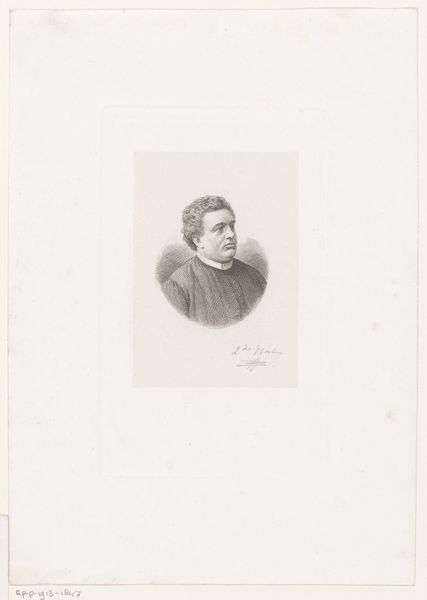
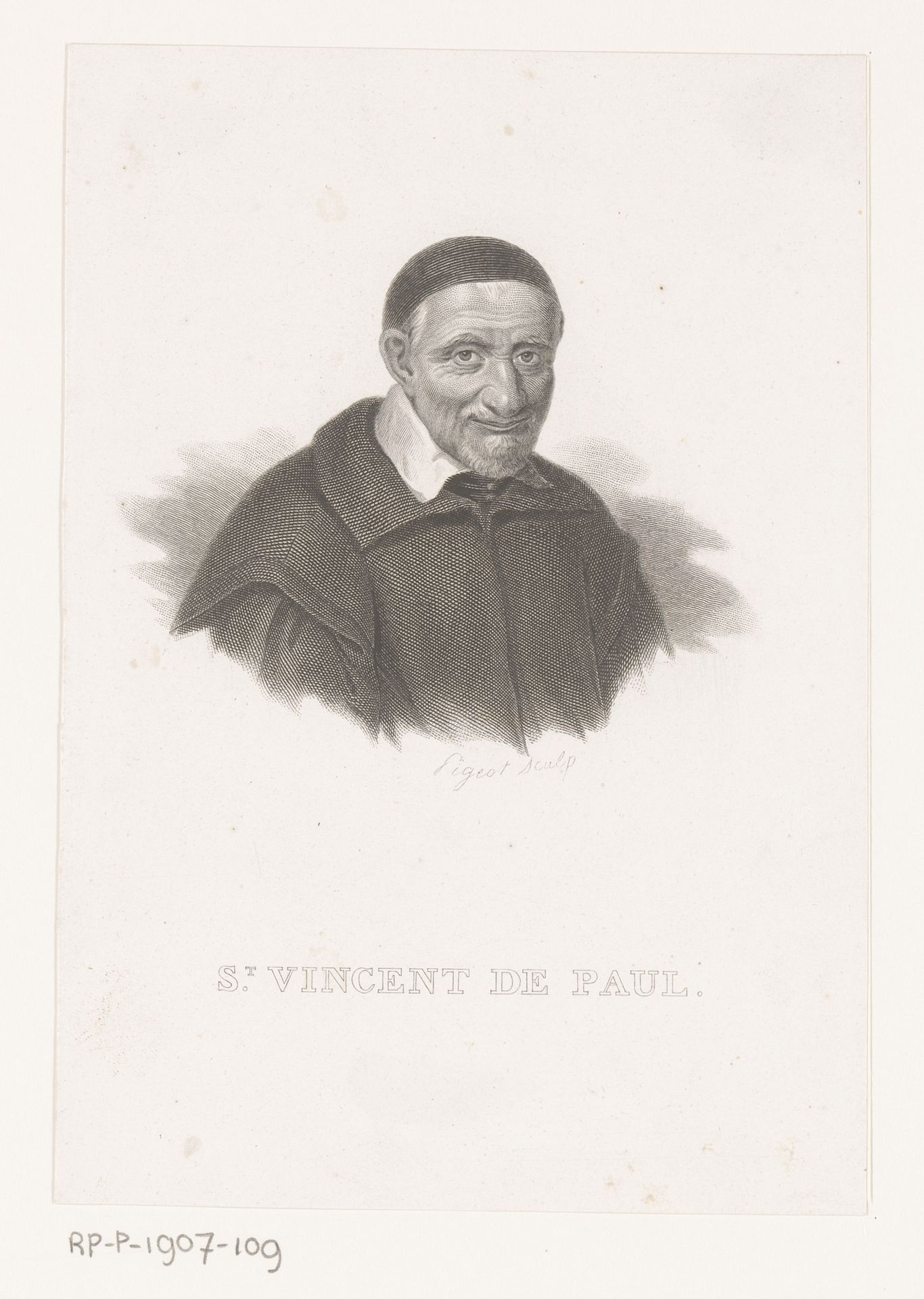
Portret van Vincent de Paul

Listen to curator's interpretation
Curatorial notes
Editor: Here we have Hilaire Pigeot's "Portrait of Vincent de Paul," made sometime between 1848 and 1874. It's rendered using engraving, pen, pencil—various printmaking methods, I think. What I find interesting is the apparent care taken with the fabric of his cloak, given the subject's commitment to poverty. What do you make of it? Curator: A very astute observation. Let’s consider this engraving in the context of its production. Engraving, unlike painting, is a reproductive medium. Think about the labor involved: the meticulous, repetitive actions of cutting into a metal plate. The choice to depict fine fabrics using such a laborious process then speaks volumes. It becomes less about glorifying wealth and more about the value placed on representing status, even within religious iconography. What purpose might that representation serve for its commissioners? Editor: That makes a lot of sense. So it's not necessarily celebrating luxury, but using it to communicate power or importance within a specific social context? It's almost like the *act* of creating the image is itself a statement, given how much effort went into the *means* of replicating this image? Curator: Precisely. Think about who would purchase and circulate such an image. The intended audience might include those affiliated with the church seeking legitimization or those involved in charitable works wanting an emblem of their devotion. In a society grappling with class divisions, even the *reproduction* of such an image carried significant social and political weight. How does thinking about this print in those terms alter your reading of it? Editor: I see now that the detailed rendering of his clothes is less about showing off rich materials, and more about imbuing Vincent de Paul with authority, maybe even respectability, using available production methods for the intended buyers and viewers of the engraving. Curator: Exactly. We begin to see art, not just as representation, but as a product of material practices embedded in a network of social relations and power dynamics. Editor: That’s a different way to consider a portrait. Curator: Indeed.