About this artwork
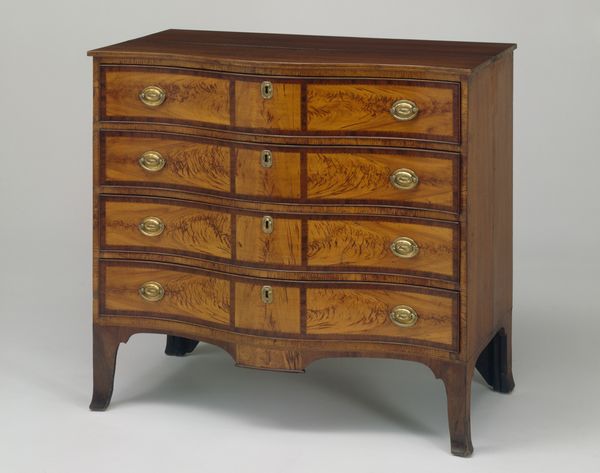
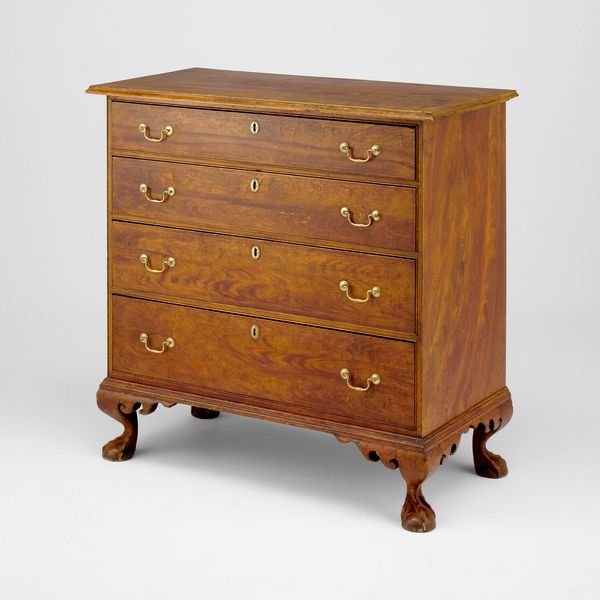
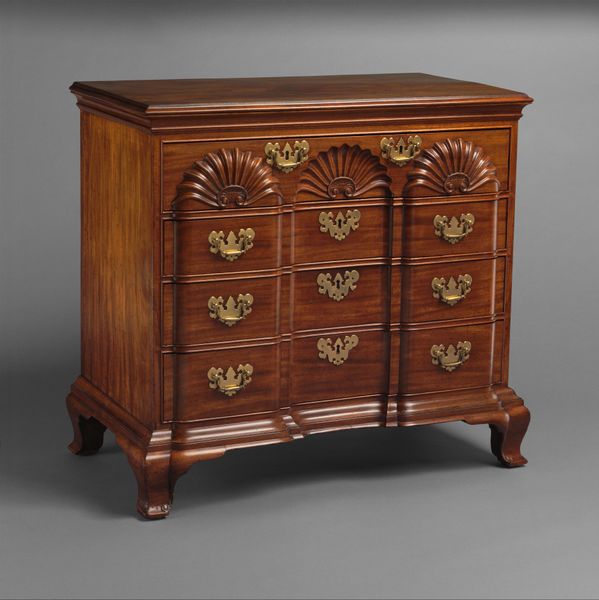
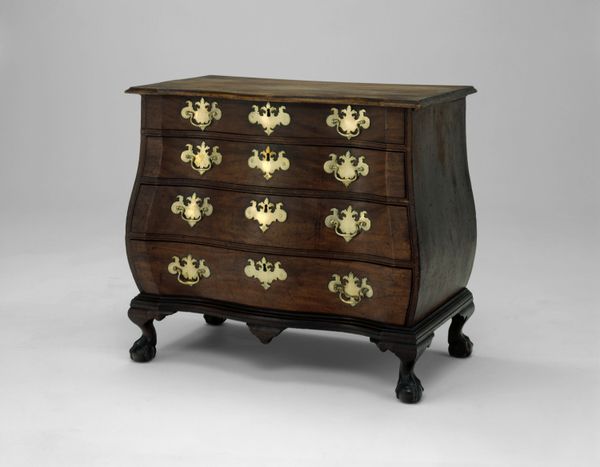
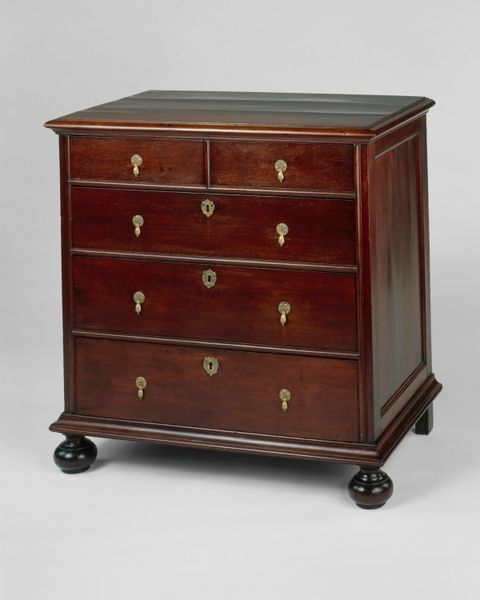
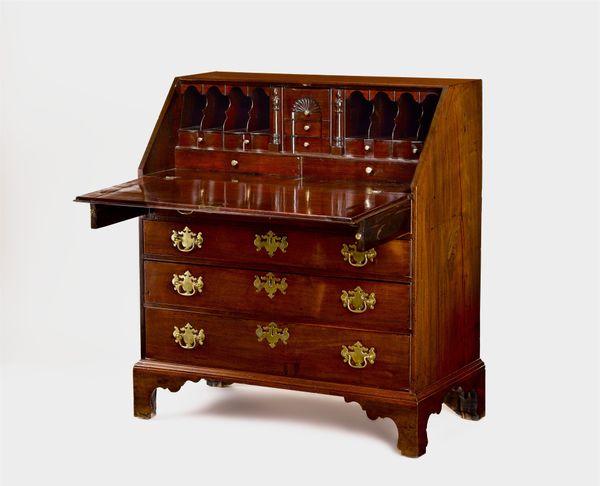
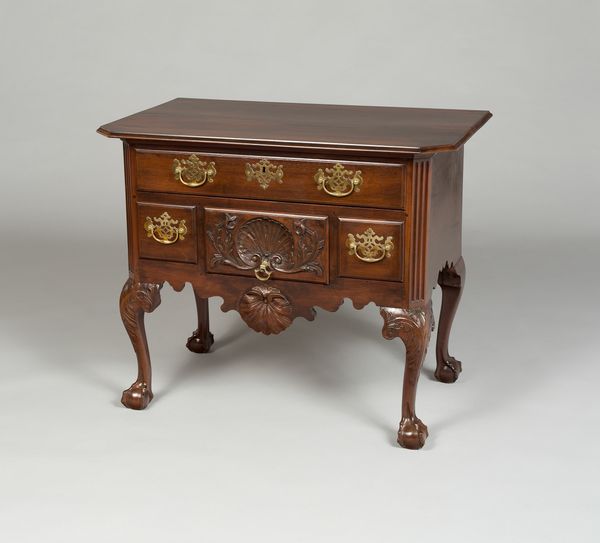
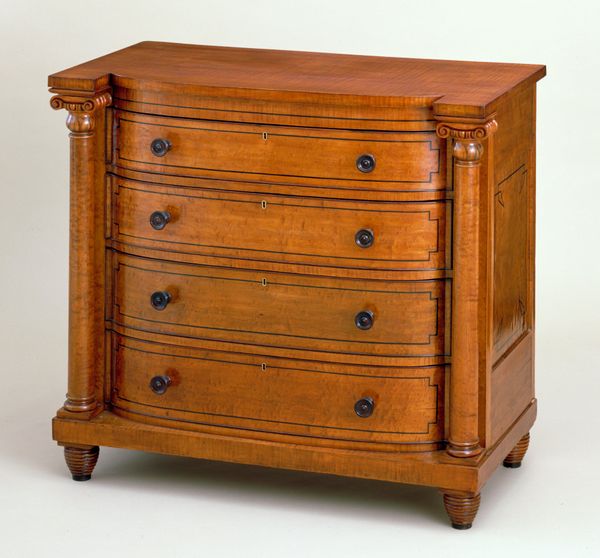
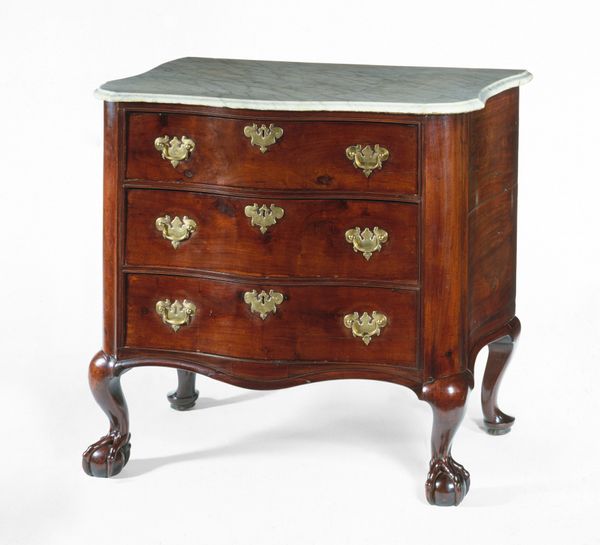
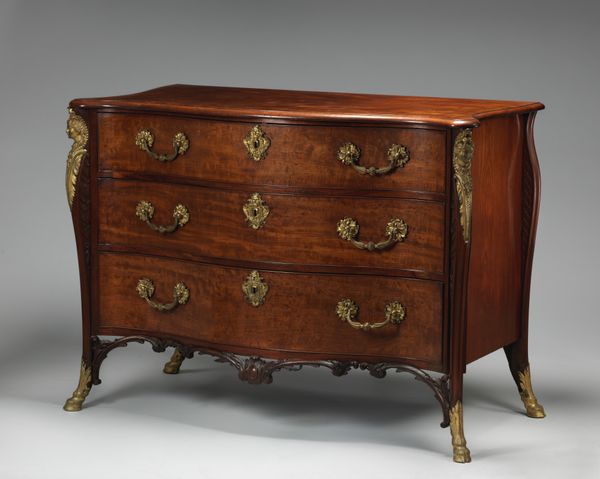
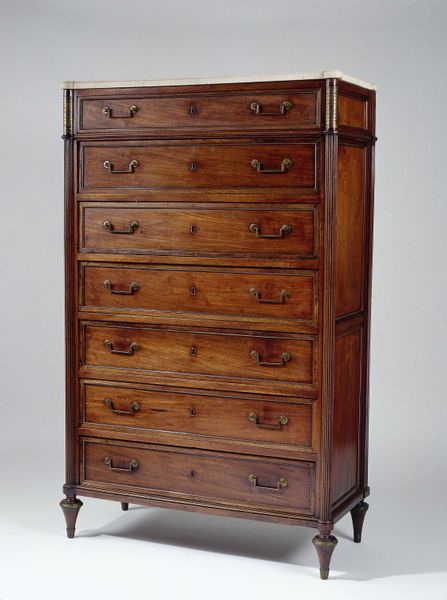
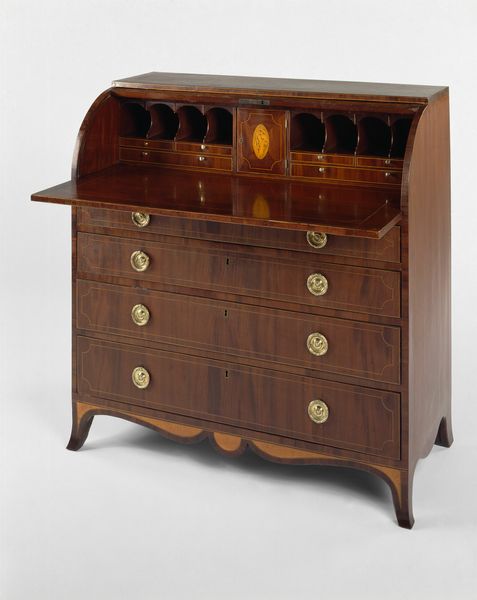
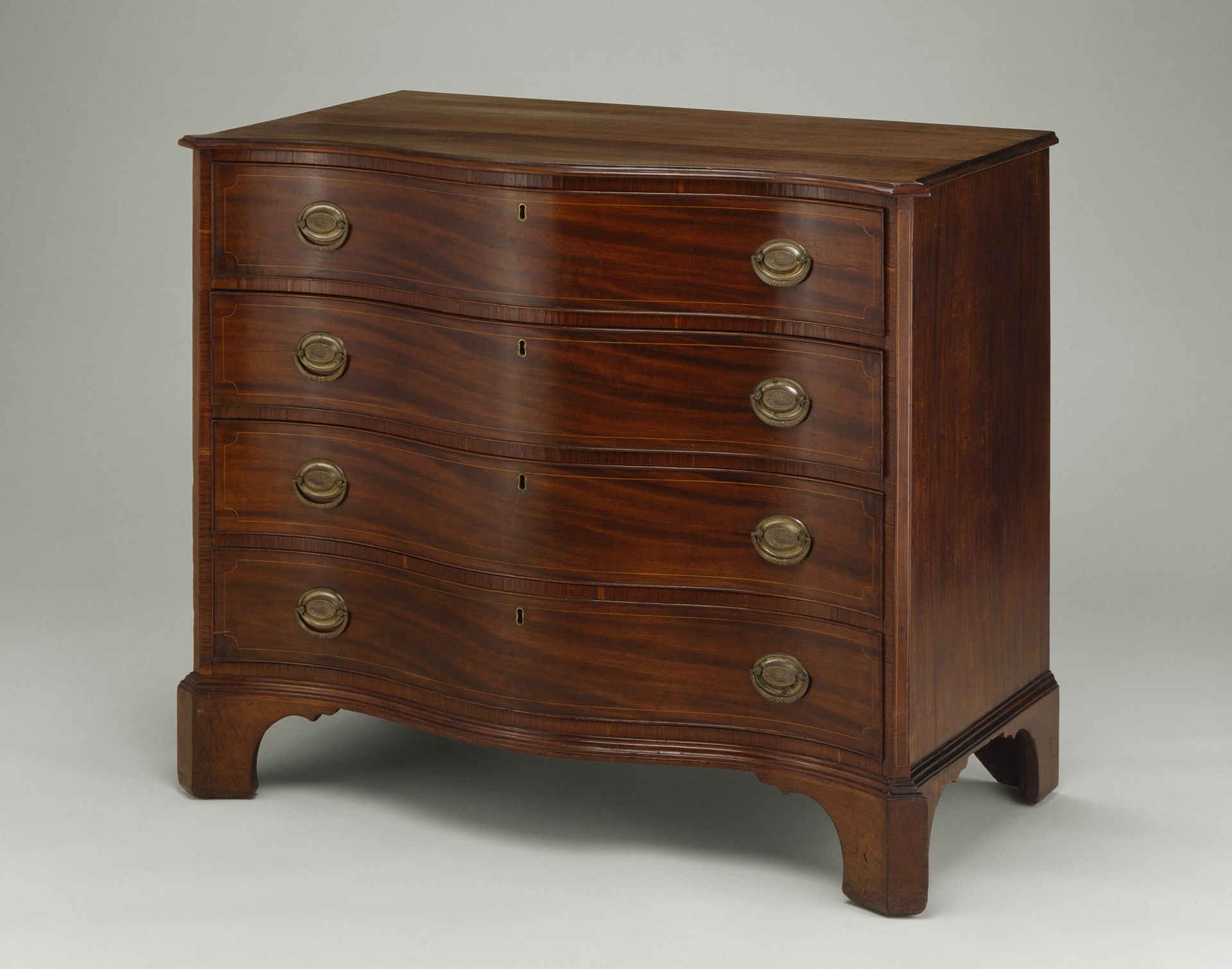
This Chest of Drawers was made with mahogany wood by Langley Boardman in the United States in the late 18th or early 19th century. It represents a moment in the new republic's social history. Pieces like this would have been commissioned by wealthy merchants or landowners eager to display their taste and prosperity, inspired by European styles but made with American materials. The mahogany itself speaks to international trade networks and colonial exploitation. This chest embodies the aesthetic preferences of a rising class, reflecting their aspirations for refinement and social standing. To understand the place of an object like this, we might consult period inventories, probate records, and furniture pattern books. These help to reveal the meanings it held for its original owners. By considering this object within its broader social and economic context, we can better understand the values and aspirations of early American society.
Chest of Drawers
1800 - 1810


Artwork details
- Medium
- carving, wood
- Dimensions
- 90.2 × 110.5 × 59.7 cm (35 1/2 × 43 1/2 × 23 1/2 in.)
- Location
- The Art Institute of Chicago
- Copyright
- Public Domain
Tags
Comments
Share your thoughts
About this artwork
This Chest of Drawers was made with mahogany wood by Langley Boardman in the United States in the late 18th or early 19th century. It represents a moment in the new republic's social history. Pieces like this would have been commissioned by wealthy merchants or landowners eager to display their taste and prosperity, inspired by European styles but made with American materials. The mahogany itself speaks to international trade networks and colonial exploitation. This chest embodies the aesthetic preferences of a rising class, reflecting their aspirations for refinement and social standing. To understand the place of an object like this, we might consult period inventories, probate records, and furniture pattern books. These help to reveal the meanings it held for its original owners. By considering this object within its broader social and economic context, we can better understand the values and aspirations of early American society.
Comments
Share your thoughts