About this artwork
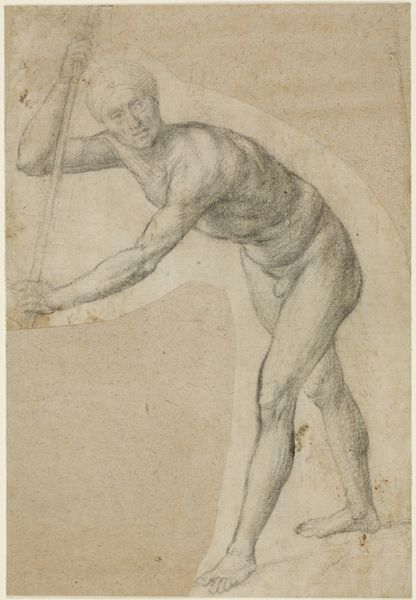
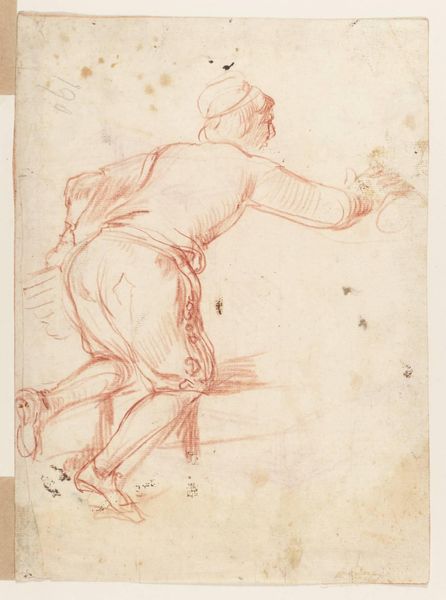
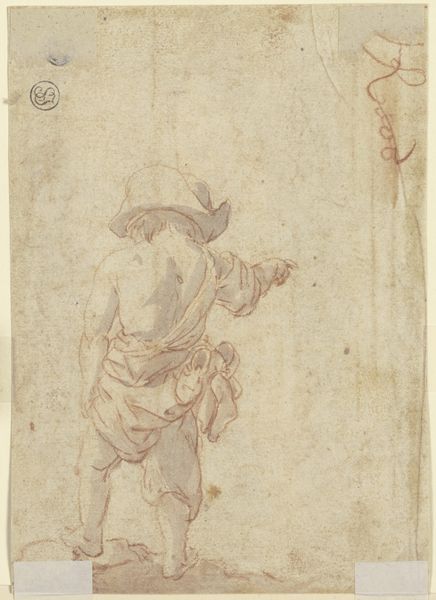
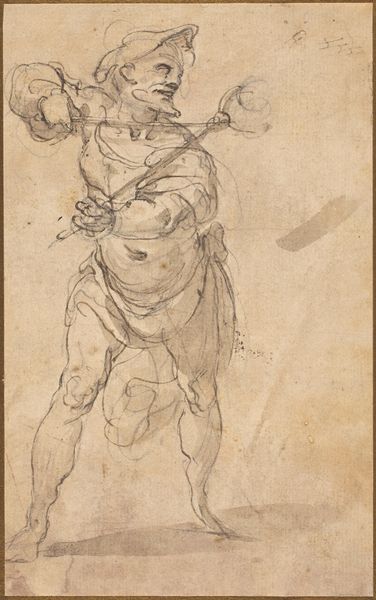
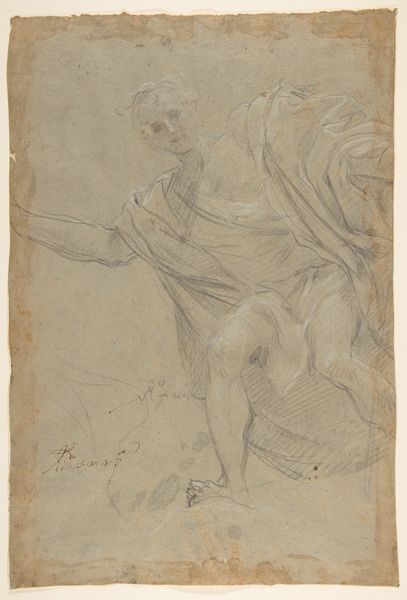
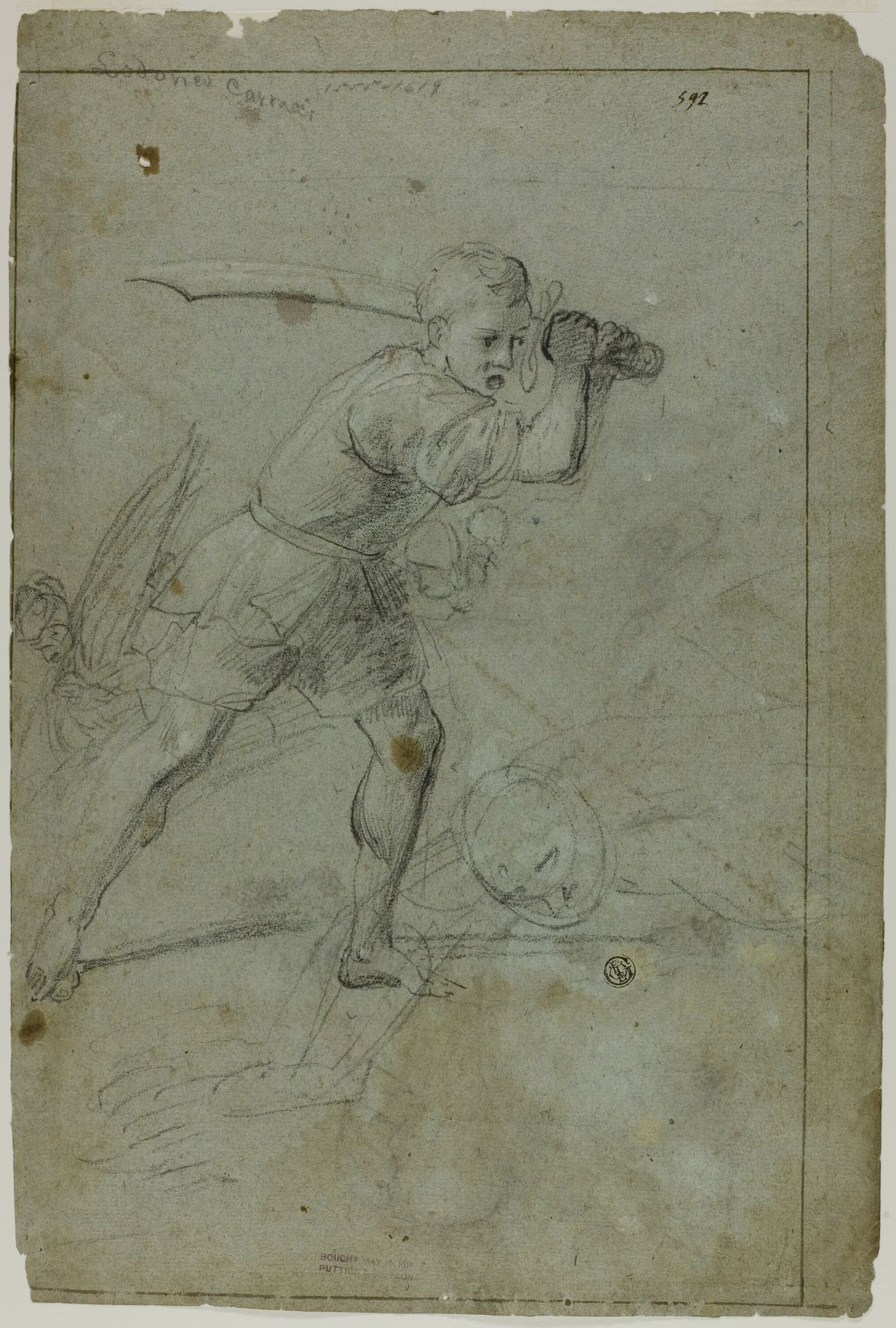
Domenico Fiasella created this drawing, "David Beheading Goliath", with pen and black ink over black chalk, heightened with white, on blue laid paper. Fiasella, a prominent painter in Genoa, Italy, lived in a time of strict social hierarchies and religious devotion. This sketch captures a pivotal moment of courage and defiance, illustrating David's triumph over Goliath. Yet, it also exposes the brutal act of beheading. The image exists in a complex intersection of power, faith, and violence; these themes are central to the story and the way it has been interpreted across centuries. The sketch's emotional intensity evokes a sense of awe and unease, inviting us to contemplate the complexities of heroism and the human capacity for both extraordinary bravery and violence. Does this depiction glorify David’s actions, or does it serve as a cautionary tale?
David Beheading Goliath (recto); Sketch of Draped Female Figure with Right Arm Raised Above Head (verso) c. 1621


Artwork details
- Medium
- drawing, print, paper, chalk, black-chalk
- Dimensions
- 401 × 248 mm
- Location
- The Art Institute of Chicago
- Copyright
- Public Domain
Tags
drawing
narrative-art
figuration
paper
11_renaissance
chalk
history-painting
italian-renaissance
black-chalk
Comments
No comments
About this artwork
Domenico Fiasella created this drawing, "David Beheading Goliath", with pen and black ink over black chalk, heightened with white, on blue laid paper. Fiasella, a prominent painter in Genoa, Italy, lived in a time of strict social hierarchies and religious devotion. This sketch captures a pivotal moment of courage and defiance, illustrating David's triumph over Goliath. Yet, it also exposes the brutal act of beheading. The image exists in a complex intersection of power, faith, and violence; these themes are central to the story and the way it has been interpreted across centuries. The sketch's emotional intensity evokes a sense of awe and unease, inviting us to contemplate the complexities of heroism and the human capacity for both extraordinary bravery and violence. Does this depiction glorify David’s actions, or does it serve as a cautionary tale?
Comments
No comments