1758
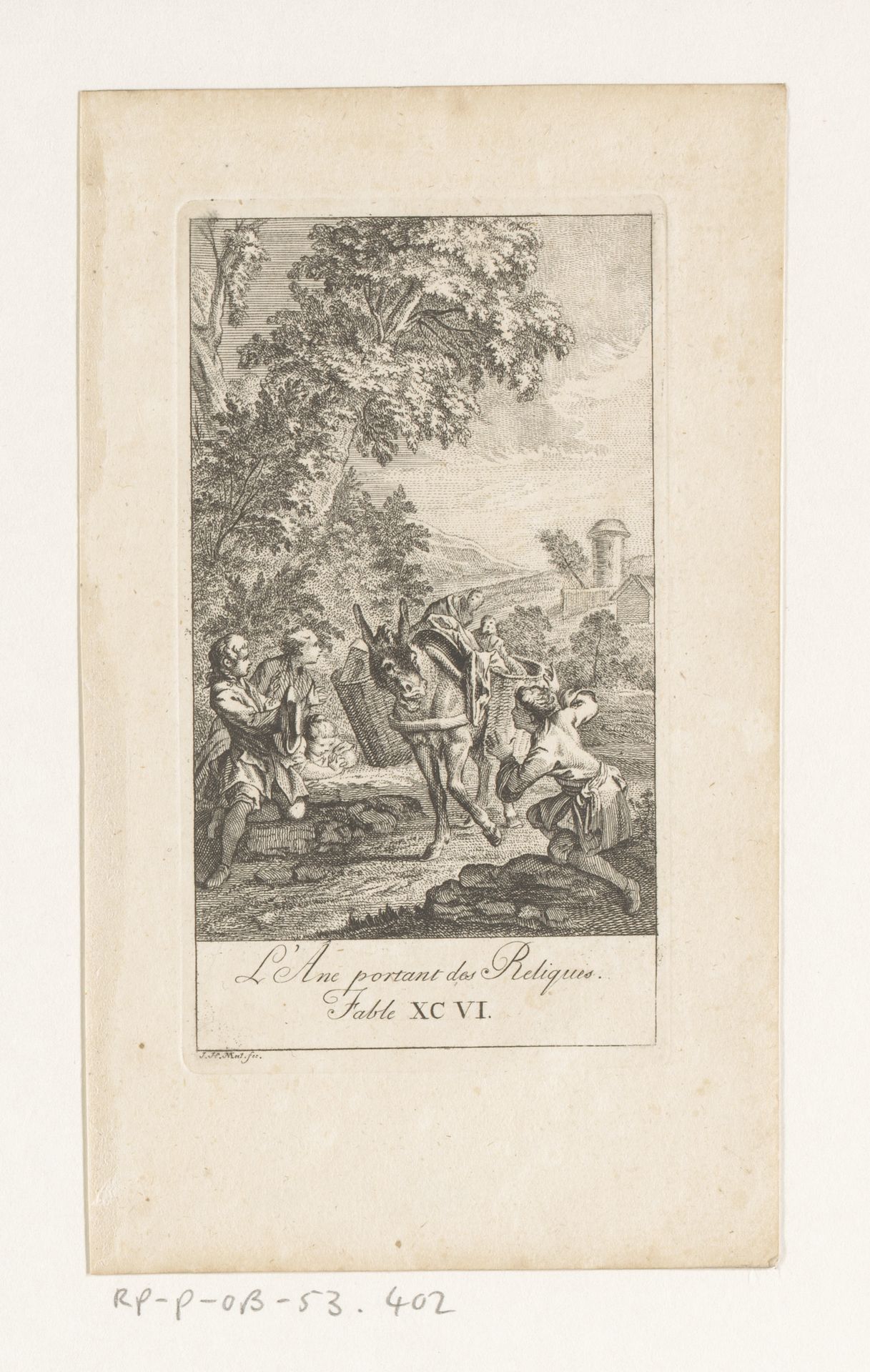
Fabel van de ezel relikwieën dragend

Listen to curator's interpretation
Curatorial notes
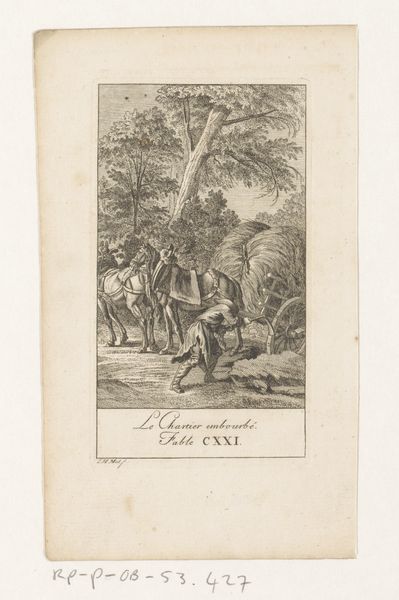
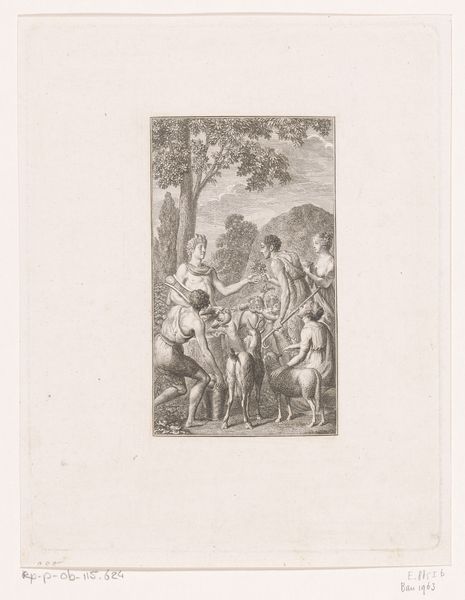
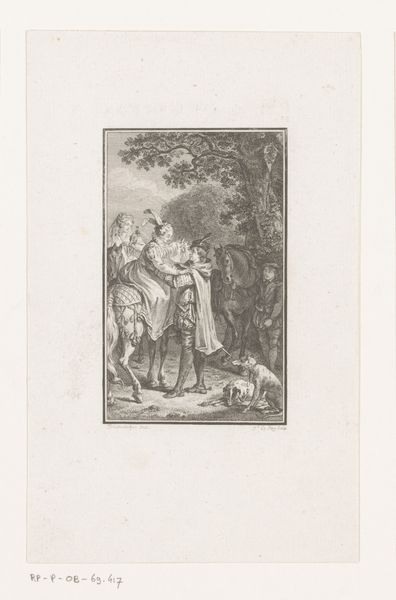
Johann Heinrich Meil the Elder created this print, *Fable of the Donkey Carrying Relics*, sometime in the late 18th century. It participates in the long tradition of animal fables, stories in which animals take on human characteristics, often to deliver a moral or satirical message. Here, Meil presents us with a scene where a donkey carries sacred relics, unaware of their significance. The figures around him, seemingly clerics, treat the animal with reverence, highlighting a critique of blind faith and the unthinking worship of objects. The print subtly questions the power structures within religious institutions, suggesting that the true meaning of faith may be lost in superficial displays of piety. In looking at this fable, I can't help but think about how societal values are constructed and questioned. The donkey, an ordinary beast of burden, becomes an unwitting symbol of deeper societal reflections. The satire invites us to contemplate the tension between reverence and reason, belief and understanding.