
Curatorial notes
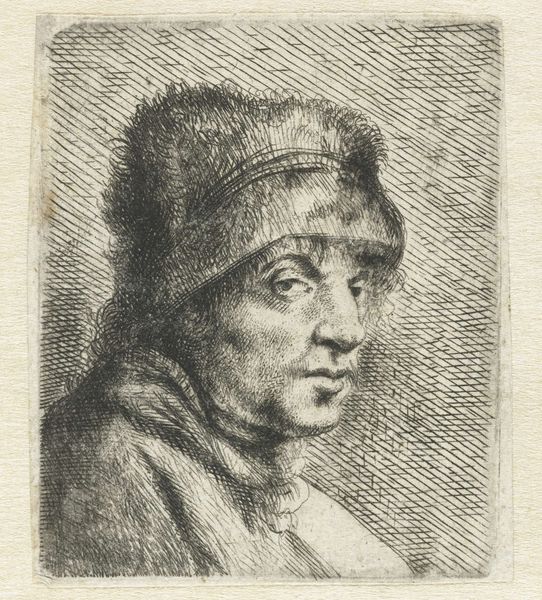
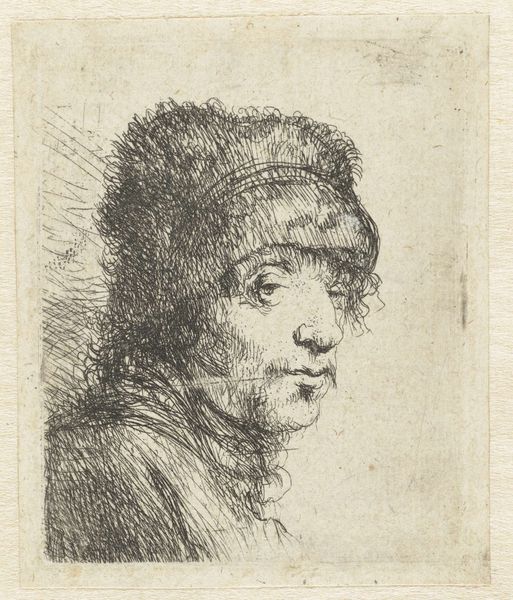
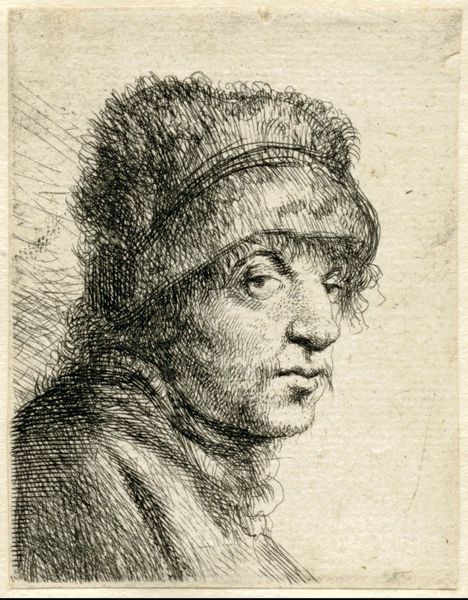
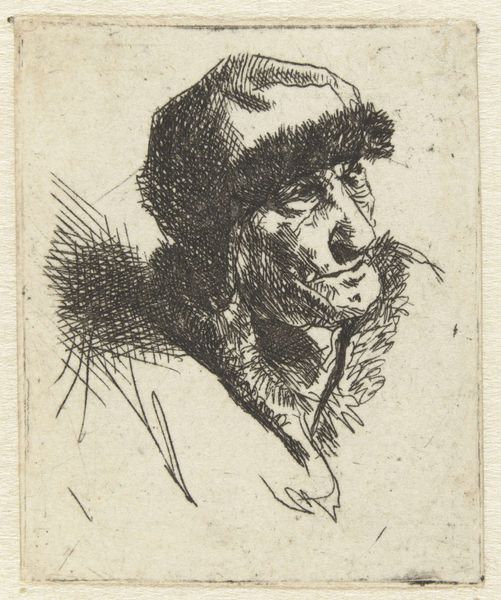
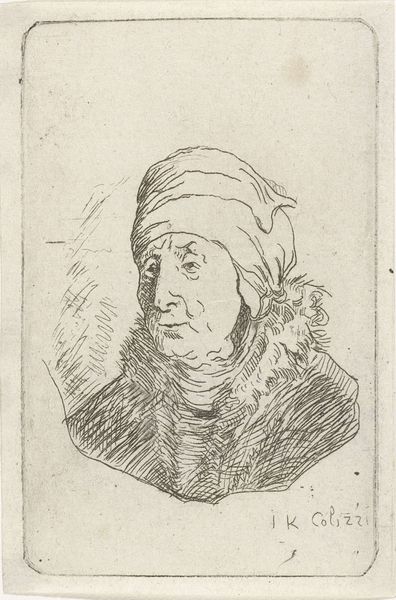
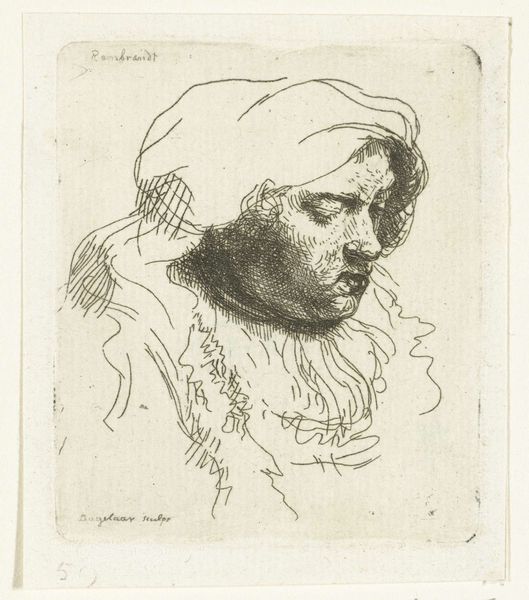
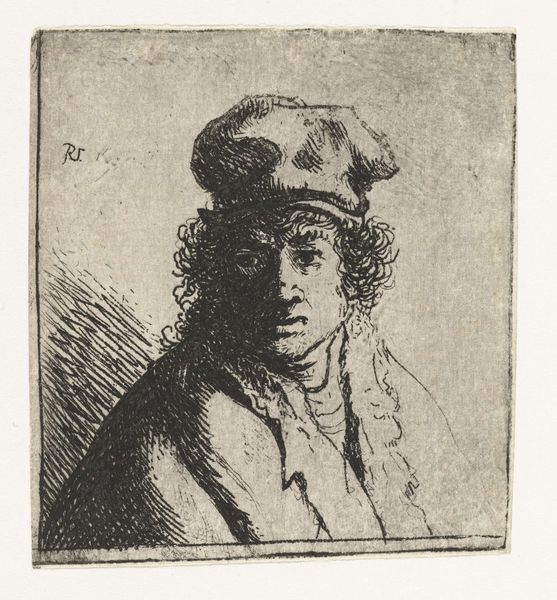
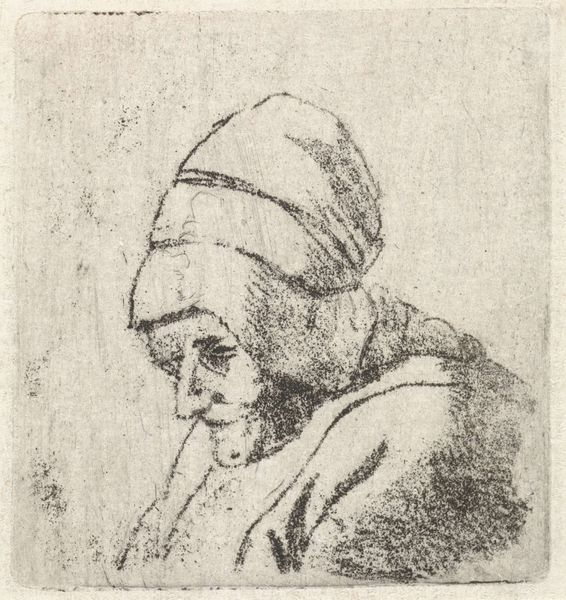
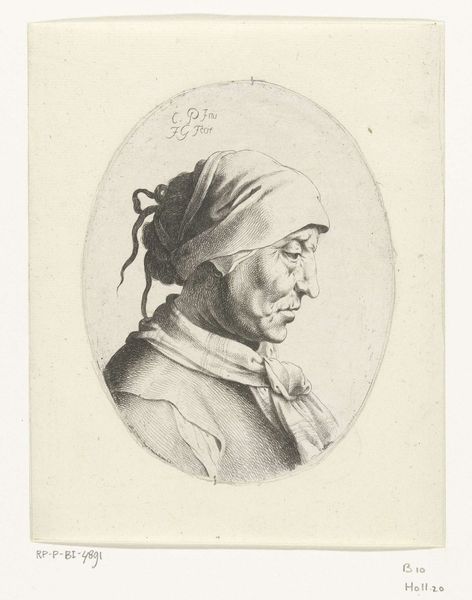
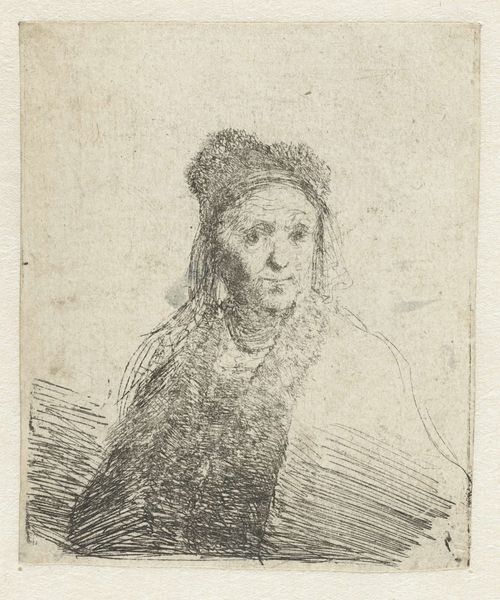
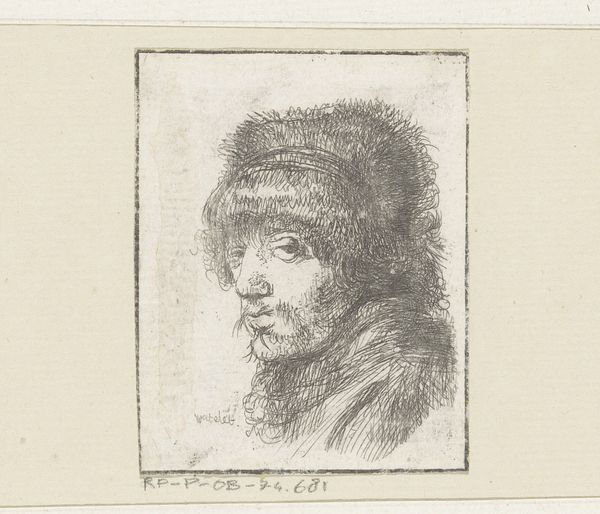
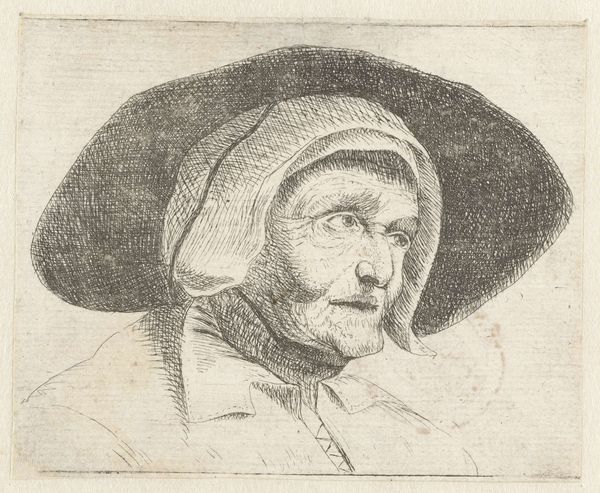
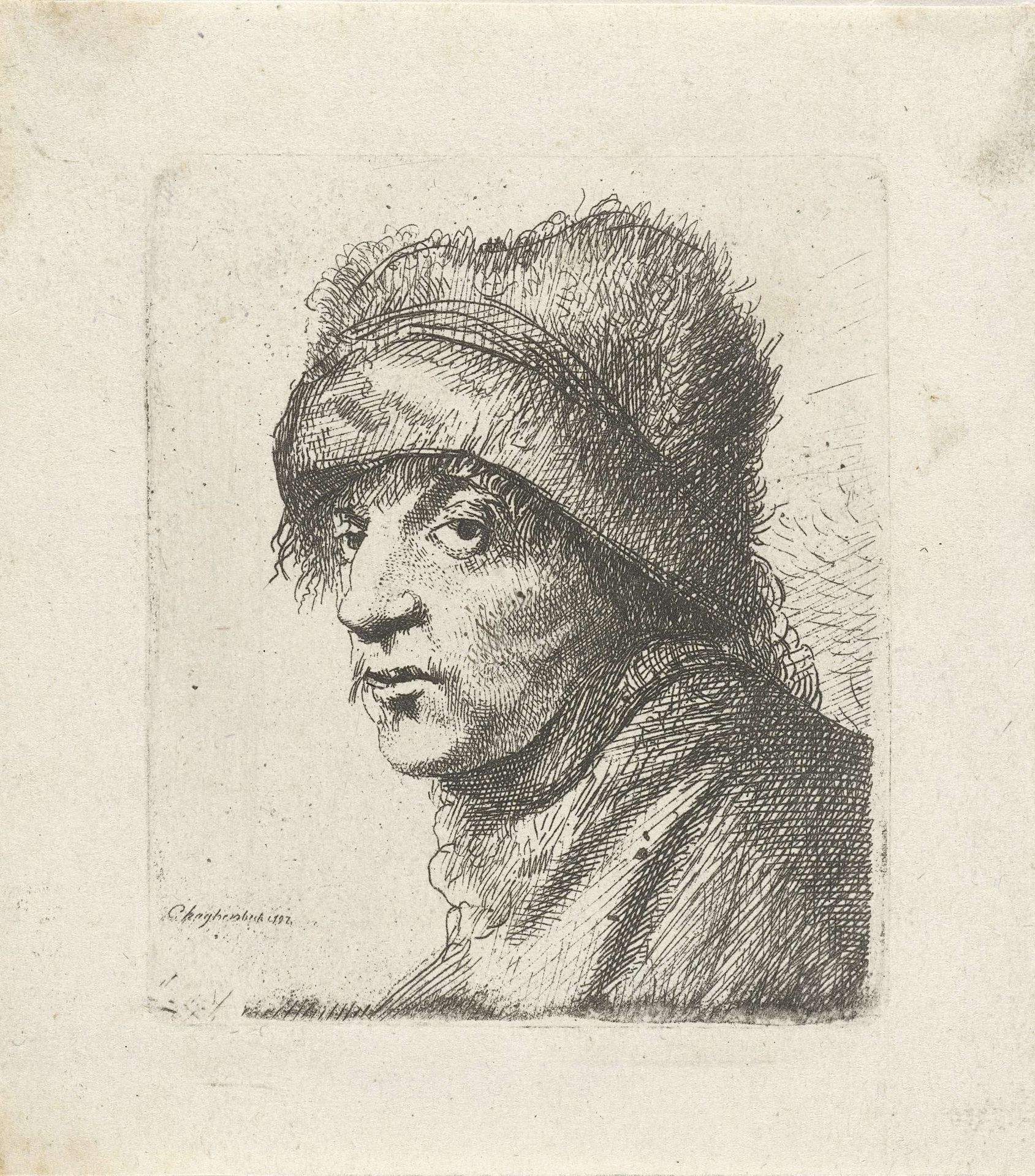
Karel Hagenbeek produced this etching, “Bust of a Man with a Cap,” around 1800 in the Netherlands. Hagenbeek's delicate lines give us a glimpse into the fashion and portraiture of the time. This work reflects the Dutch interest in portraiture during the late 18th century, an era marked by significant social and political upheaval, including the Batavian Revolution. Etchings like this one made art more accessible to a broader public, reflecting a shift in artistic patronage beyond the traditional elite. The detailed rendering of the man’s clothing and cap speaks to the era’s emphasis on representing individual character and social identity through portraiture. By studying Dutch social history and the evolution of printmaking, we can better understand how art served as a mirror reflecting the changing dynamics of Dutch society.