About this artwork
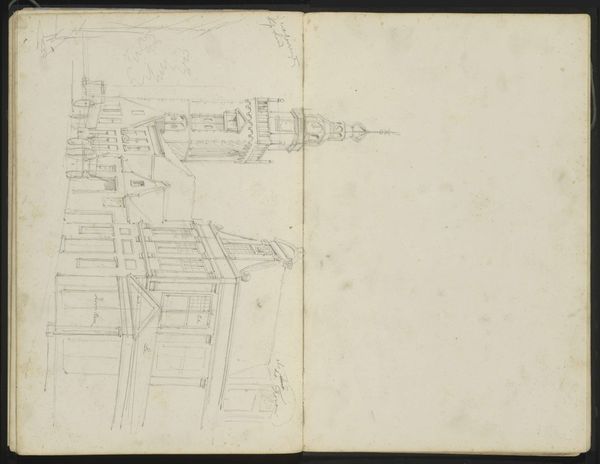
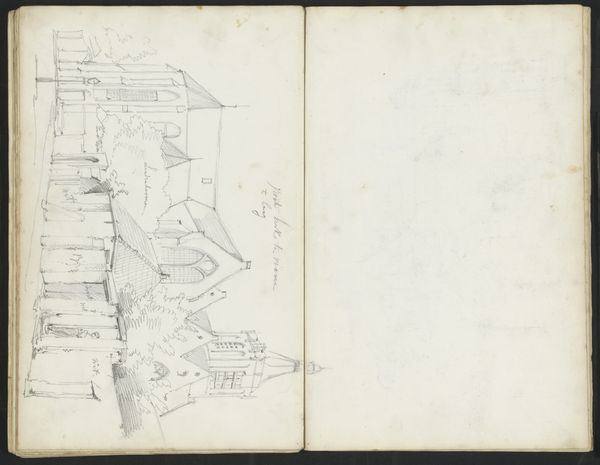
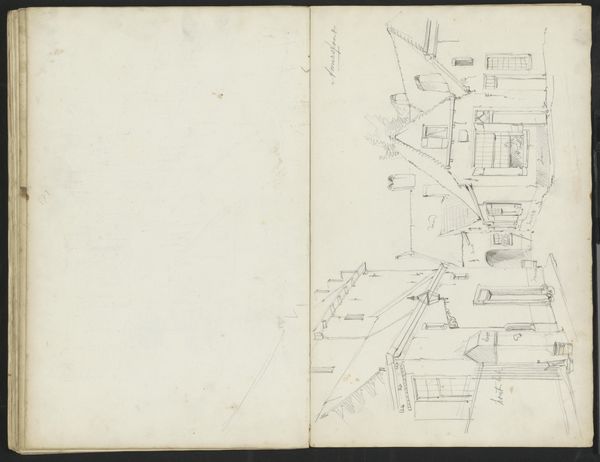
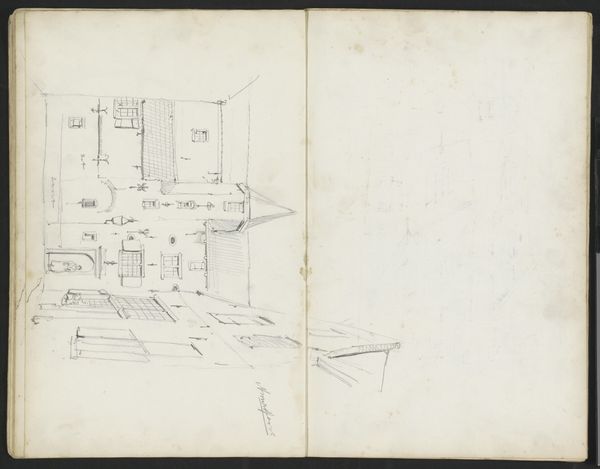
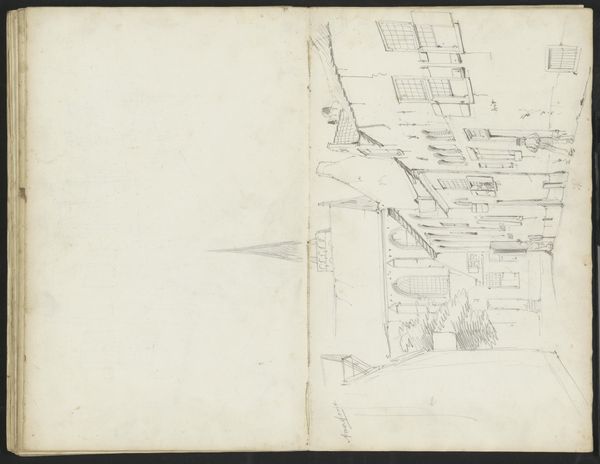
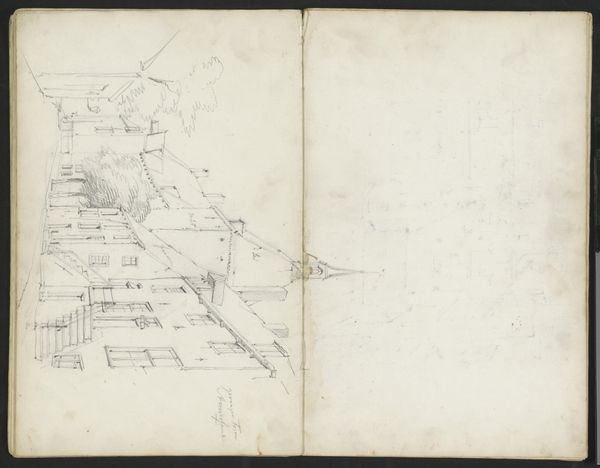
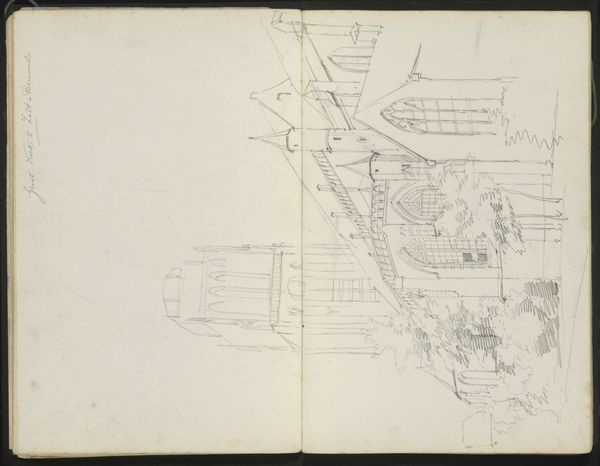
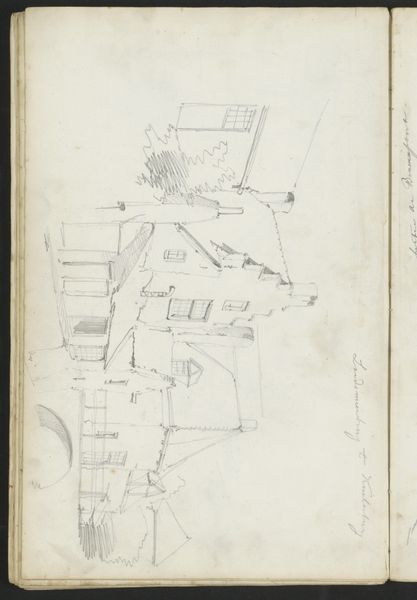
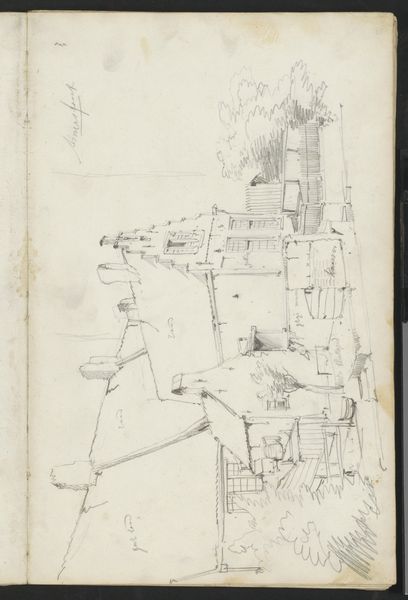
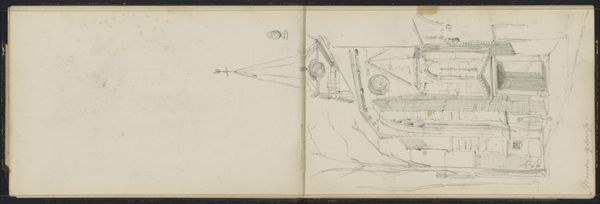
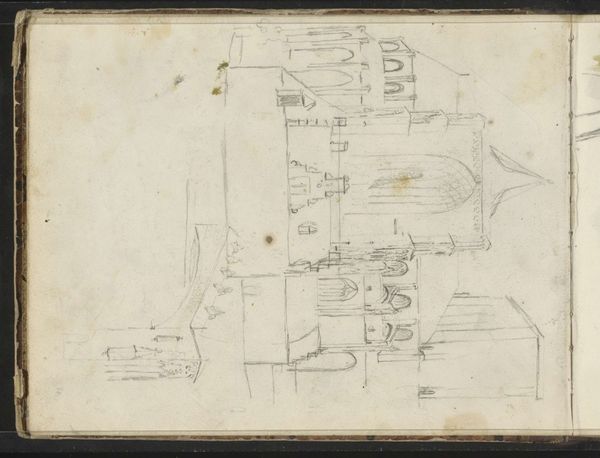
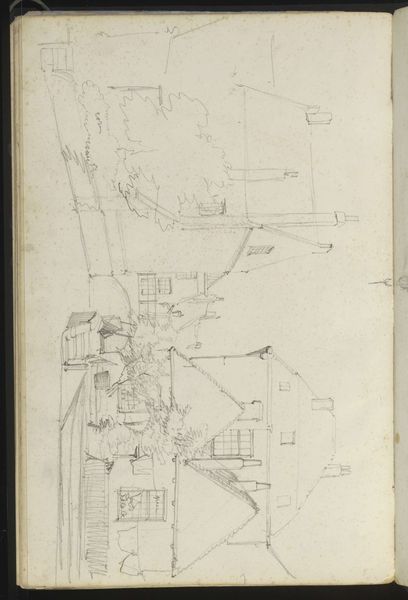
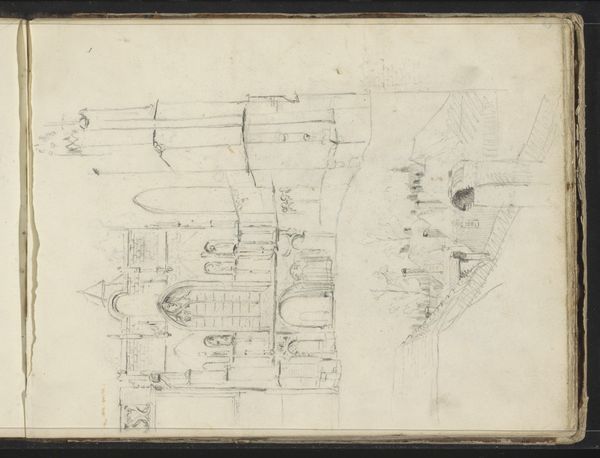
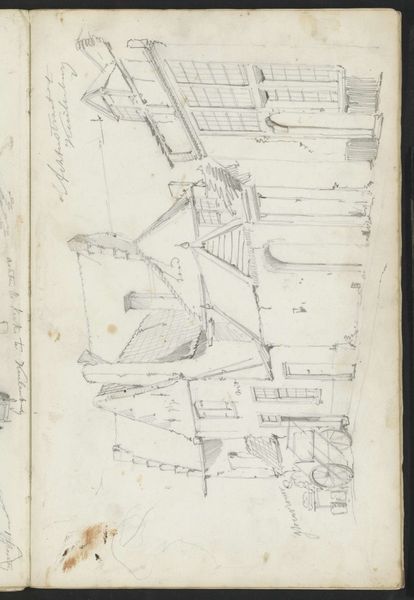
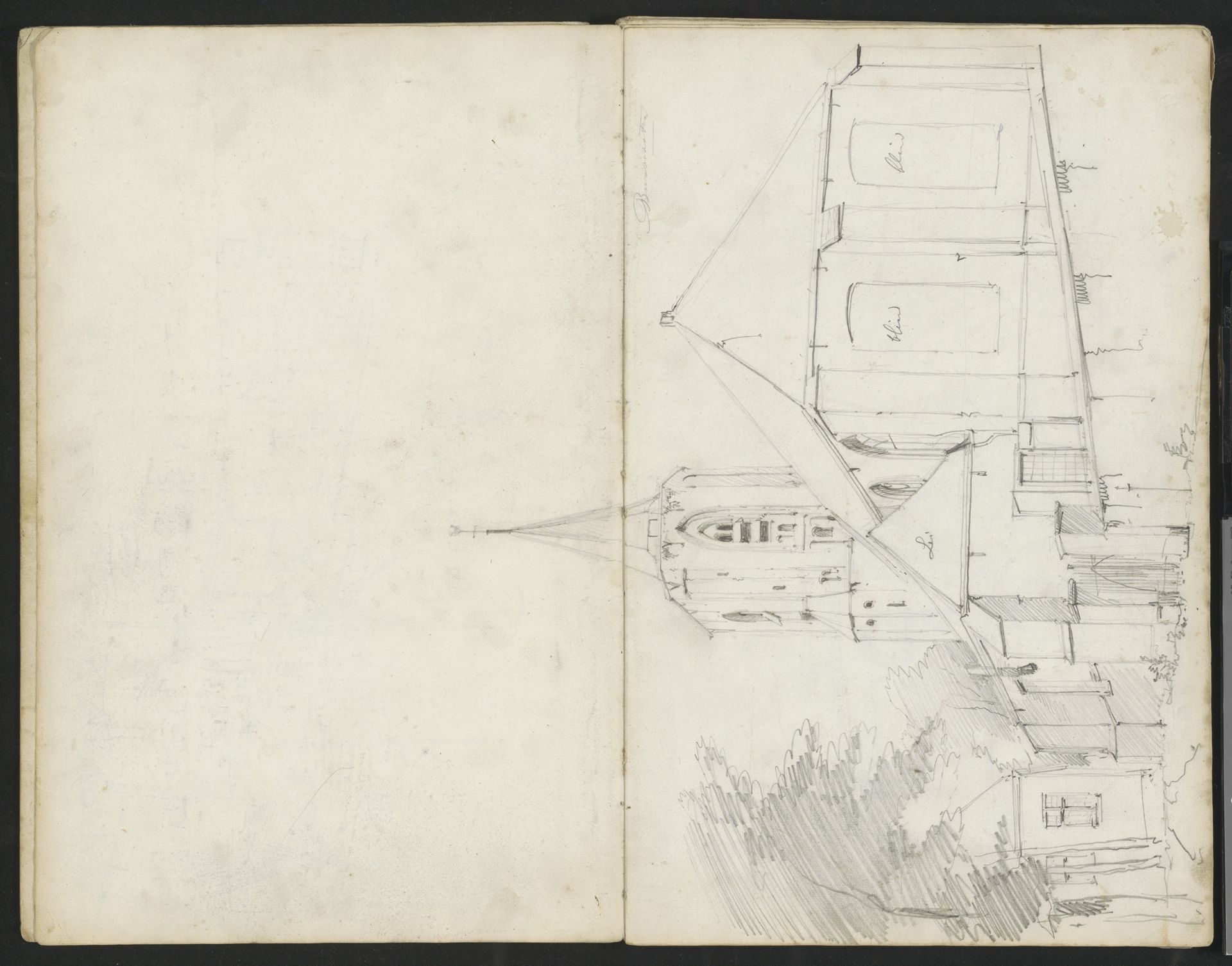
Willem Koekkoek made this sketch of the Catharinakerk in Bunschoten with graphite on paper. Bunschoten, a Dutch town, has a rich history shaped by its geography and religious affiliations. This simple sketch offers insight into the cultural and institutional aspects of 19th-century Dutch society. Koekkoek's focus on architectural details and clear organization reflects the values of precision. It underscores the role of art in documenting and celebrating local heritage. The Catharinakerk itself is a social institution, and by sketching it, Koekkoek acknowledges its importance. The sketch also highlights the way religious institutions and art intersect, reflecting a society that was grappling with questions of faith and modernity. Historical records, architectural studies, and local archives will provide a deeper understanding of the sketch and the social context in which it was made. The meaning of art can be appreciated through the study of both the artwork itself and its social and institutional context.

Artwork details
- Medium
- drawing, pencil
- Location
- Rijksmuseum
- Copyright
- Rijks Museum: Open Domain
Tags
drawing
quirky sketch
pen sketch
sketch book
hand drawn type
landscape
personal sketchbook
pen-ink sketch
pencil
pen work
sketchbook drawing
cityscape
storyboard and sketchbook work
sketchbook art
Comments
No comments
About this artwork
Willem Koekkoek made this sketch of the Catharinakerk in Bunschoten with graphite on paper. Bunschoten, a Dutch town, has a rich history shaped by its geography and religious affiliations. This simple sketch offers insight into the cultural and institutional aspects of 19th-century Dutch society. Koekkoek's focus on architectural details and clear organization reflects the values of precision. It underscores the role of art in documenting and celebrating local heritage. The Catharinakerk itself is a social institution, and by sketching it, Koekkoek acknowledges its importance. The sketch also highlights the way religious institutions and art intersect, reflecting a society that was grappling with questions of faith and modernity. Historical records, architectural studies, and local archives will provide a deeper understanding of the sketch and the social context in which it was made. The meaning of art can be appreciated through the study of both the artwork itself and its social and institutional context.
Comments
No comments