About this artwork
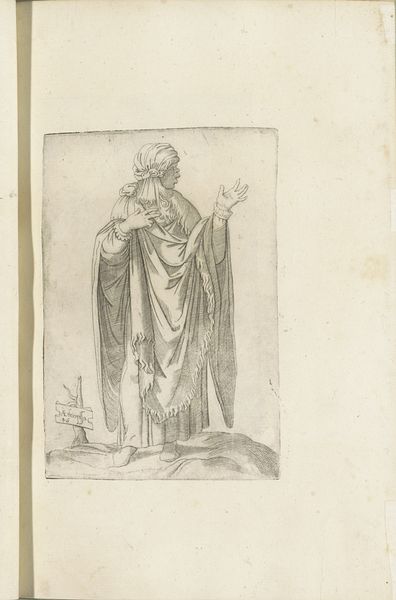
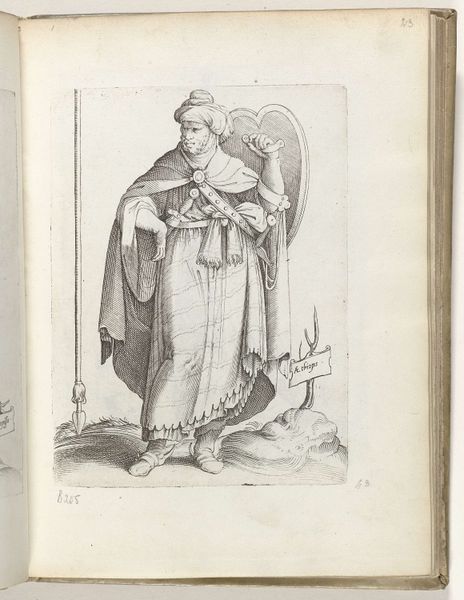
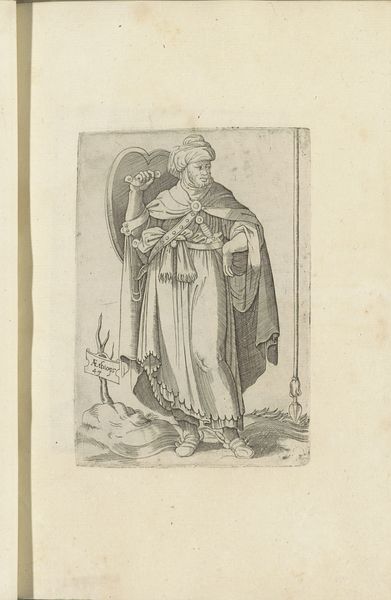
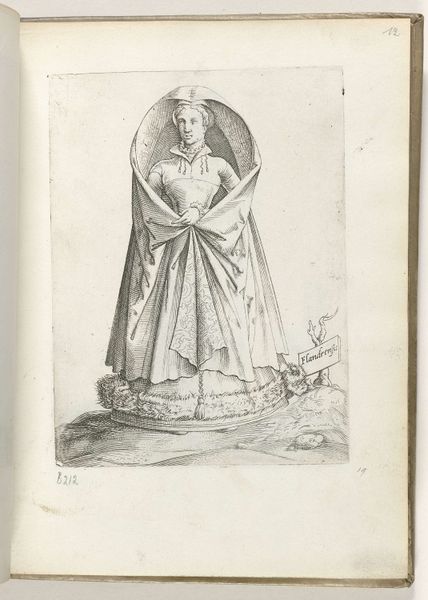
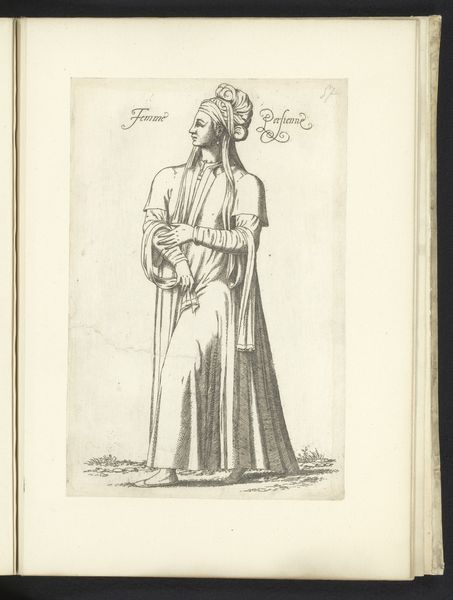
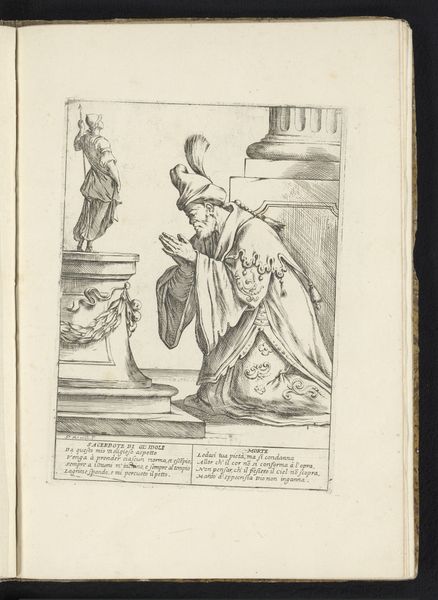
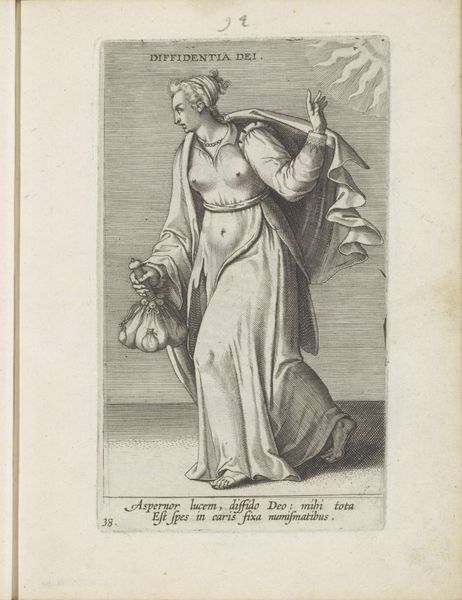
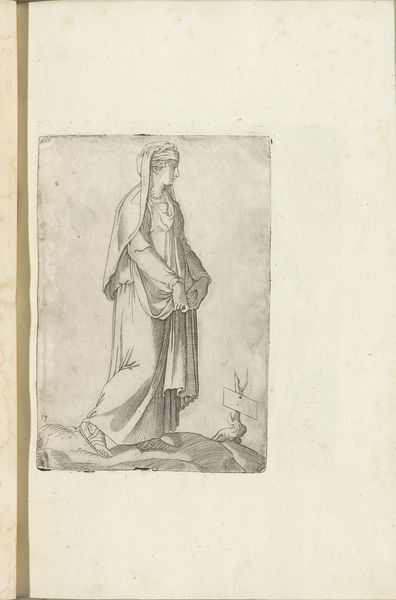
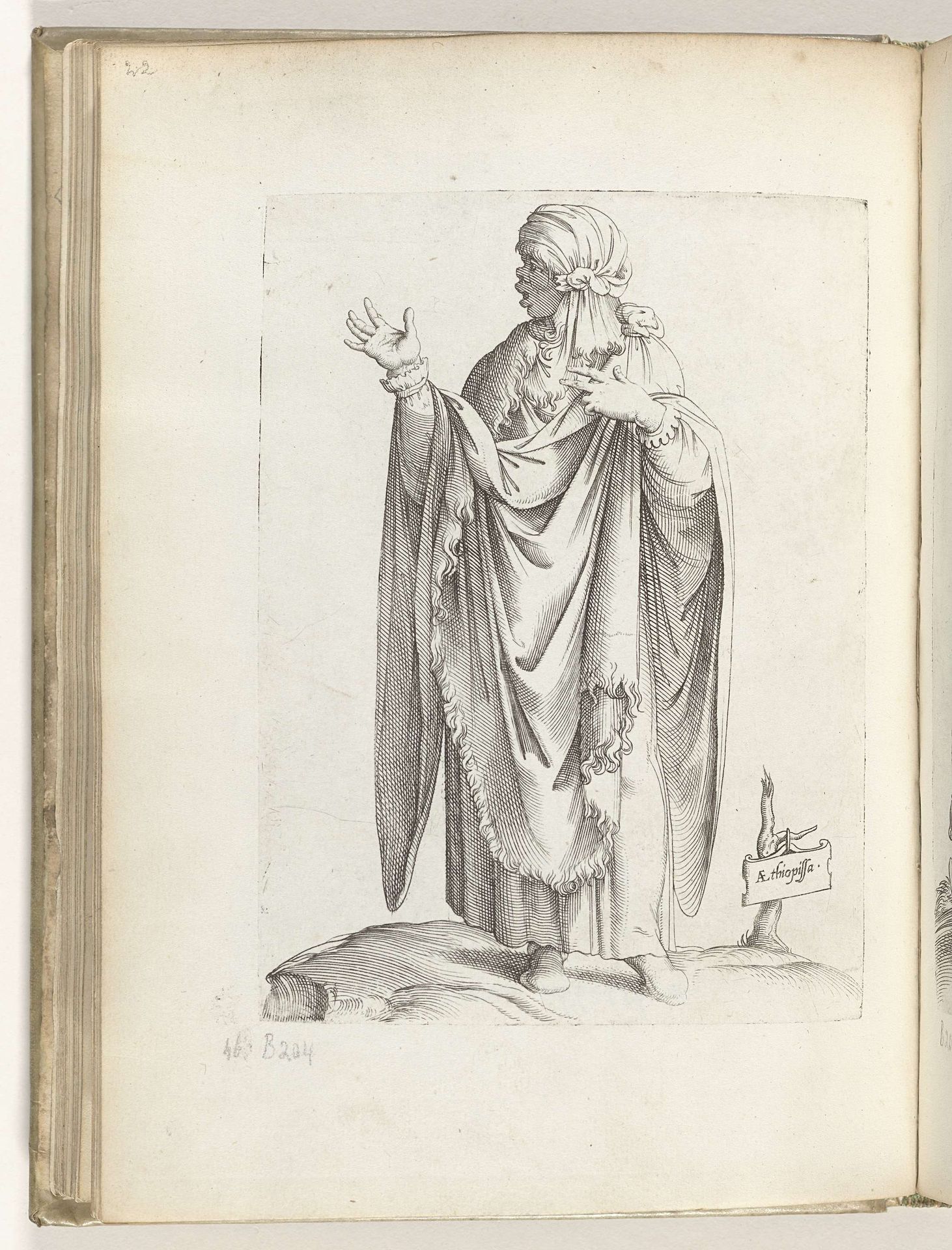
Enea Vico created this engraving, Aethopissa, during the mid-16th century, a period marked by the rise of the transatlantic slave trade and evolving European perceptions of race. The term 'Aethopissa' itself, derived from the Greek word for "burnt face," reveals early cultural biases associating dark skin with specific geographic and racial identities. We see the figure presented in elaborate clothing which contrasts with the crude racial stereotype described in the title. The artwork reflects the era’s complex negotiation of exoticism, gender, and power. The figure may represent an attempt to depict a foreign queen, or a mythological character from classical antiquity. By focusing on an individual, Vico’s engraving invites us to consider the humanity of the figure, which might challenge the simplistic, dehumanizing stereotypes prevalent in that period. This image raises critical questions about how early modern Europeans saw and represented people from different parts of the world, and how these representations influenced the development of racial ideology.

Artwork details
- Medium
- print, engraving
- Dimensions
- height 150 mm, width 92 mm
- Location
- Rijksmuseum
- Copyright
- Rijks Museum: Open Domain
Tags
Comments
Share your thoughts
About this artwork
Enea Vico created this engraving, Aethopissa, during the mid-16th century, a period marked by the rise of the transatlantic slave trade and evolving European perceptions of race. The term 'Aethopissa' itself, derived from the Greek word for "burnt face," reveals early cultural biases associating dark skin with specific geographic and racial identities. We see the figure presented in elaborate clothing which contrasts with the crude racial stereotype described in the title. The artwork reflects the era’s complex negotiation of exoticism, gender, and power. The figure may represent an attempt to depict a foreign queen, or a mythological character from classical antiquity. By focusing on an individual, Vico’s engraving invites us to consider the humanity of the figure, which might challenge the simplistic, dehumanizing stereotypes prevalent in that period. This image raises critical questions about how early modern Europeans saw and represented people from different parts of the world, and how these representations influenced the development of racial ideology.
Comments
Share your thoughts