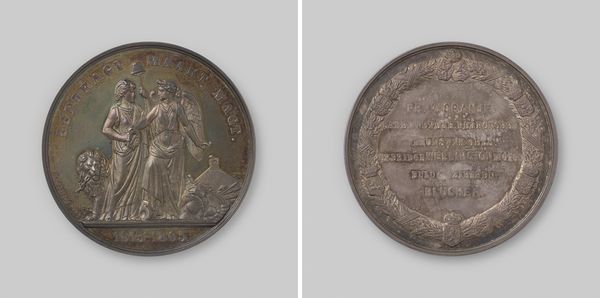
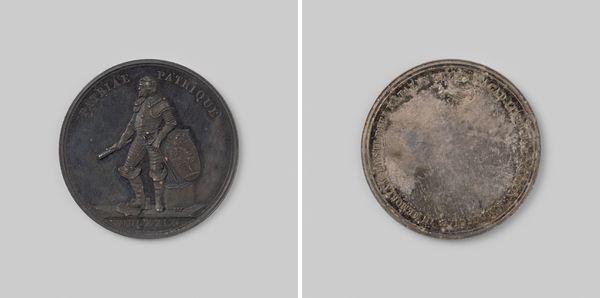
Overlijden van Simon Episcopius, aan degenen die hem hebben verzorgd en begraven 1643

anonymous
Rijksmuseum
metal, relief, sculpture, engraving
portrait
baroque
metal
sculpture
relief
figuration
sculpture
history-painting
engraving
Dimensions: diameter 6.6 cm, weight 57.13 gr
Copyright: Rijks Museum: Open Domain
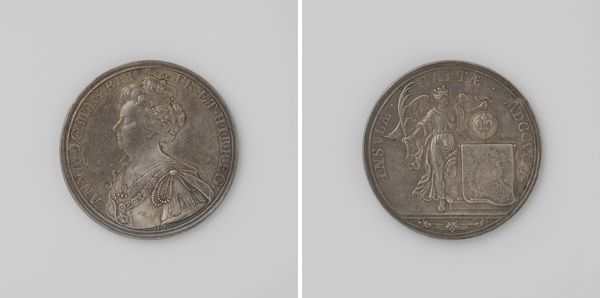
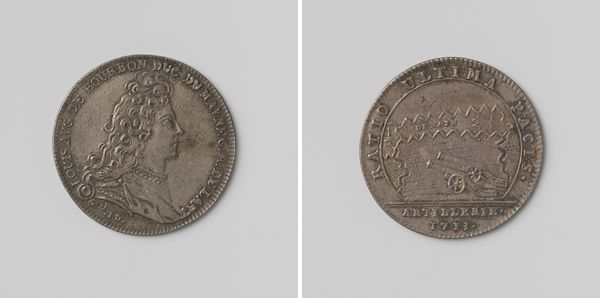
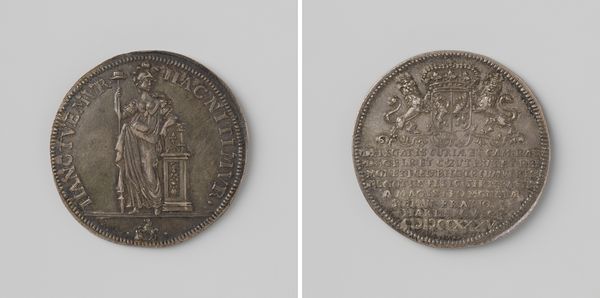
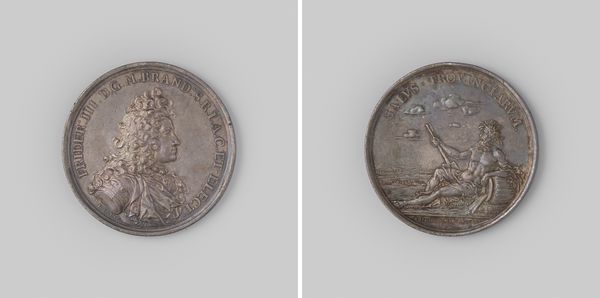
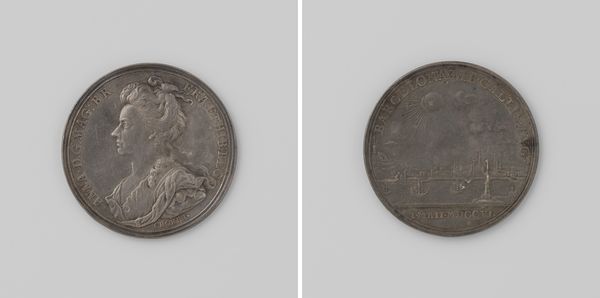
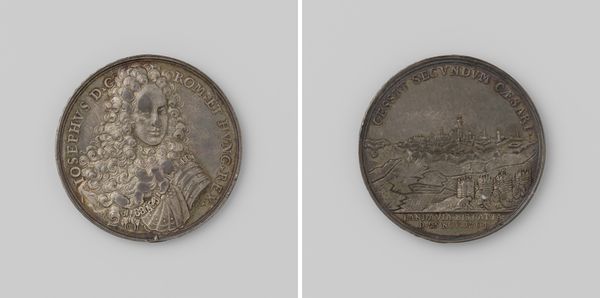
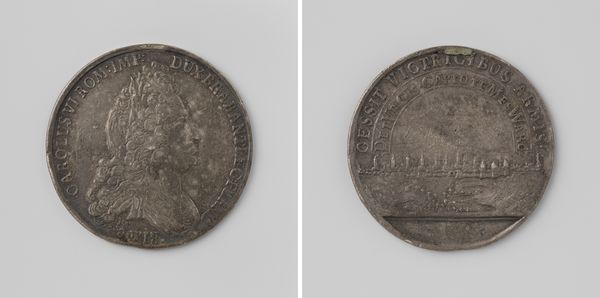
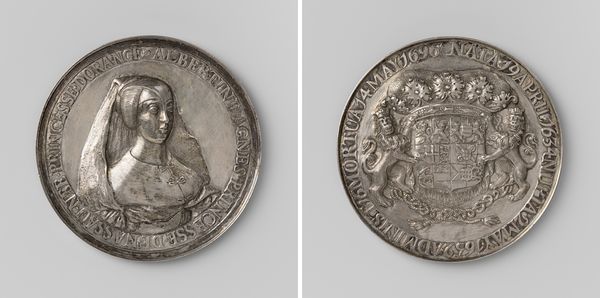
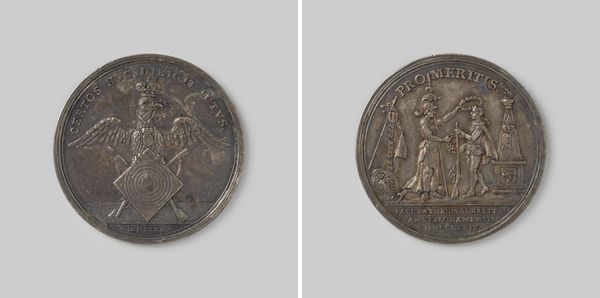
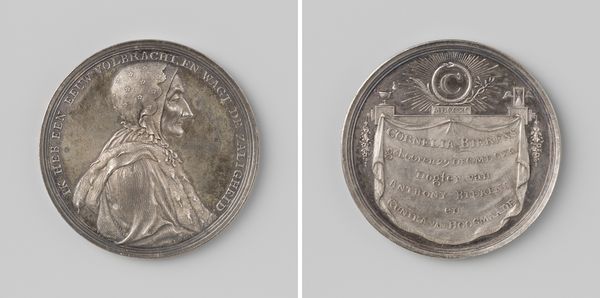
Curator: Today, we’re looking at "Overlijden van Simon Episcopius, aan degenen die hem hebben verzorgd en begraven," a 1643 metal relief, currently housed in the Rijksmuseum. Editor: It’s… smaller than I imagined. Intricate, definitely. It feels austere, almost clinical, yet those figures on the left side introduce such contrasting vibrant energy! Curator: That tension is key. Episcopius was a key figure in the Remonstrant movement, a theological challenge to Calvinist orthodoxy in the Dutch Republic. This relief commemorates not just his death, but those who aided him, speaking to a contested ideological landscape. We see these women, but consider that most depictions of him cast him as some type of a heretic. Editor: And that material matters. It's metal—likely silver. Its enduring quality speaks to a desire for permanence, for memorializing a moment and specific act of care. Who would commission something like this, though, and for what social consumption purposes, within its own class, of course? Curator: Probably those who identified with Episcopius’ more liberal views. The Remonstrants were associated with the merchant class. So we're dealing with wealth, patronage, and the material culture of theological disagreement. You mentioned women – their presence suggests the role of female networks in supporting the Remonstrant cause and Episcopius himself. It subverts traditional power dynamics by highlighting the agency of caregivers, of women. Editor: Precisely! This also elevates the act of burial, of physical labor, giving honor to everyday service. To take care for the caretaker speaks to something deeper in society that transcends high versus low art and labor. The execution is detailed but not ornamental, making me think about that tension once more, echoing class differences. Curator: Absolutely, it visualizes a very specific social relationship against a broader theological and political canvas. What you notice about materials also provides insight to understand the historical conditions of making such a devotional work in Amsterdam in the mid 17th century. Editor: Examining its physicality gives us so much more to unpack about labor, networks, and consumption within this context, more than its size betrays! Curator: Agreed. By contextualizing the relief within Remonstrant history and social struggles, we appreciate how the monument represents not just the legacy, but its implications on religion today.
Comments
No comments
Be the first to comment and join the conversation on the ultimate creative platform.
 React
React Comment