c. 1895 - 1905
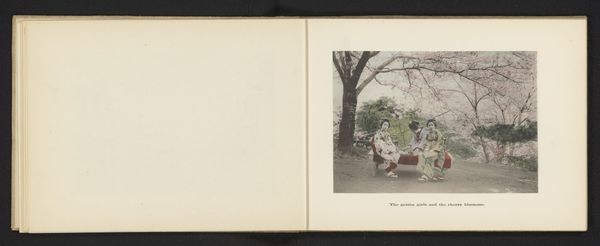
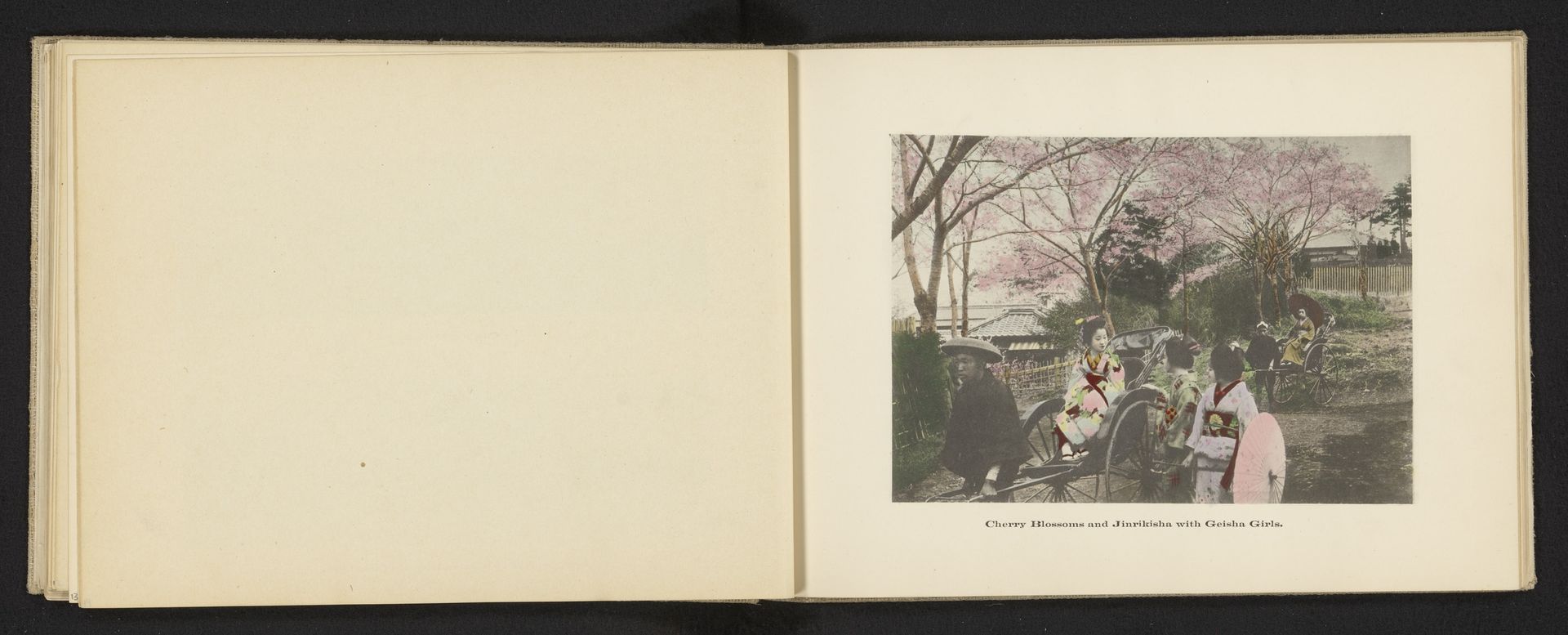
Vier Japanse meisjes gekleed kimono's in riksja's voor kersenbloesems

Listen to curator's interpretation
Curatorial notes
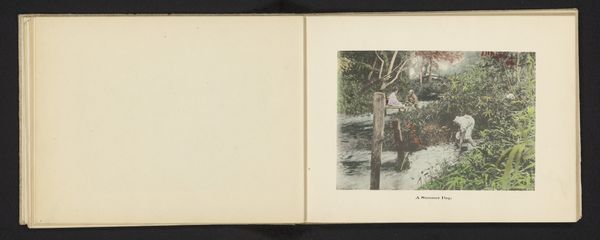
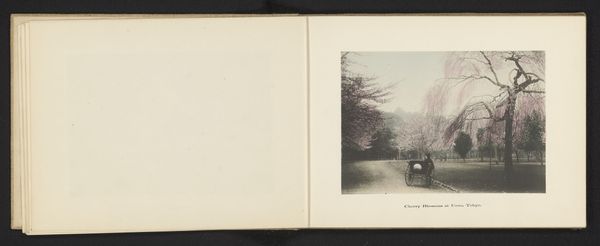
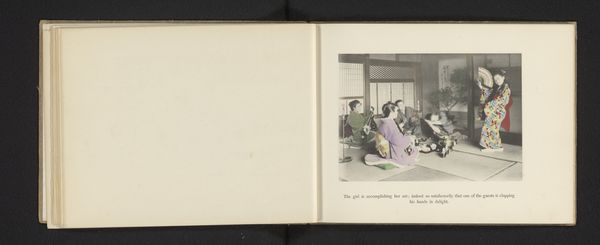
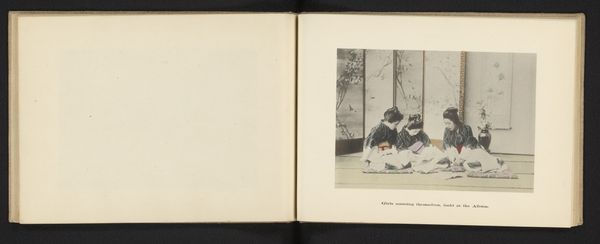
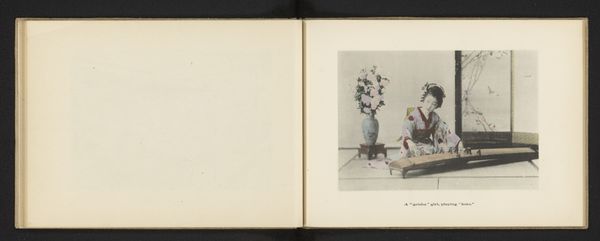
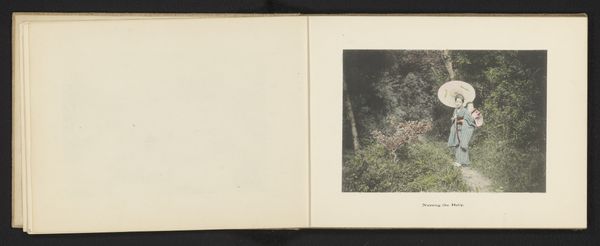
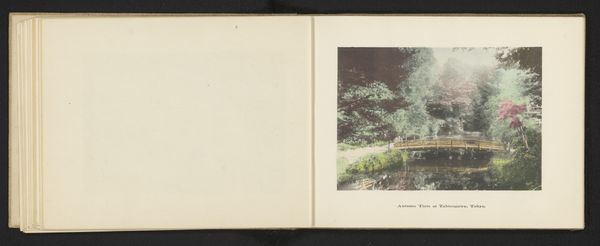
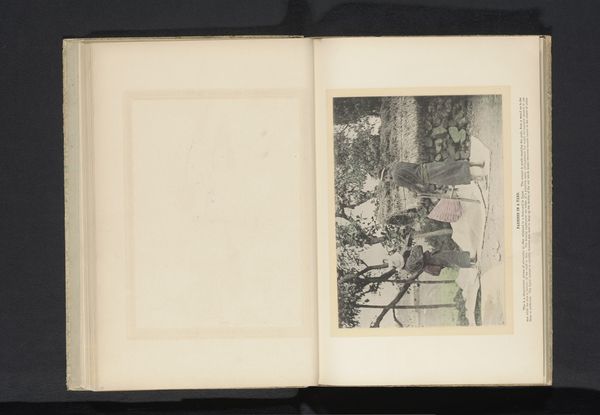
This photographic print, made by Kōzaburō Tamamura, shows four Japanese girls in kimonos enjoying the cherry blossoms from their rickshaws. The photograph is a hand-colored albumen print. This complex process involved coating paper with egg white, then using a glass negative to print an image. The final step was applying dyes by hand, a painstaking process. This technique was favored for its sharp detail and tonal range, ideal for capturing the textures of the kimonos, the delicate blossoms, and the rickshaws. Photographers like Tamamura catered to the Western tourist trade. These images romanticized Japanese culture, offering views of landscapes and customs. Yet, consider the labor involved: from the cultivation of materials, the craft of photography, to the unseen workers who pulled the rickshaws. This picture of leisure and beauty is thus intertwined with the realities of labor, class, and consumption in turn-of-the-century Japan. Recognizing the making and the context allows us to appreciate the layers of meaning embedded in the work.