1890
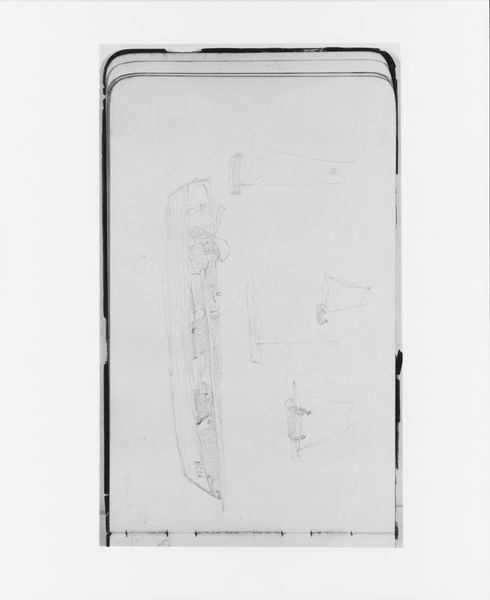
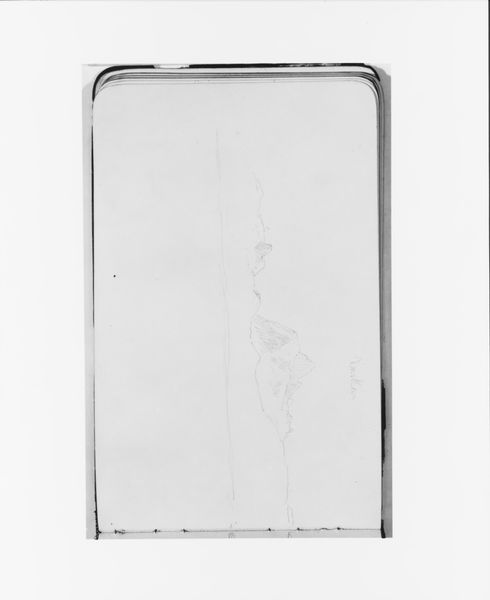
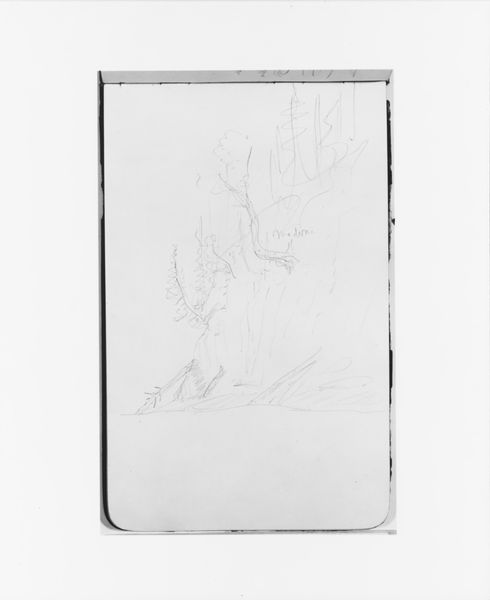
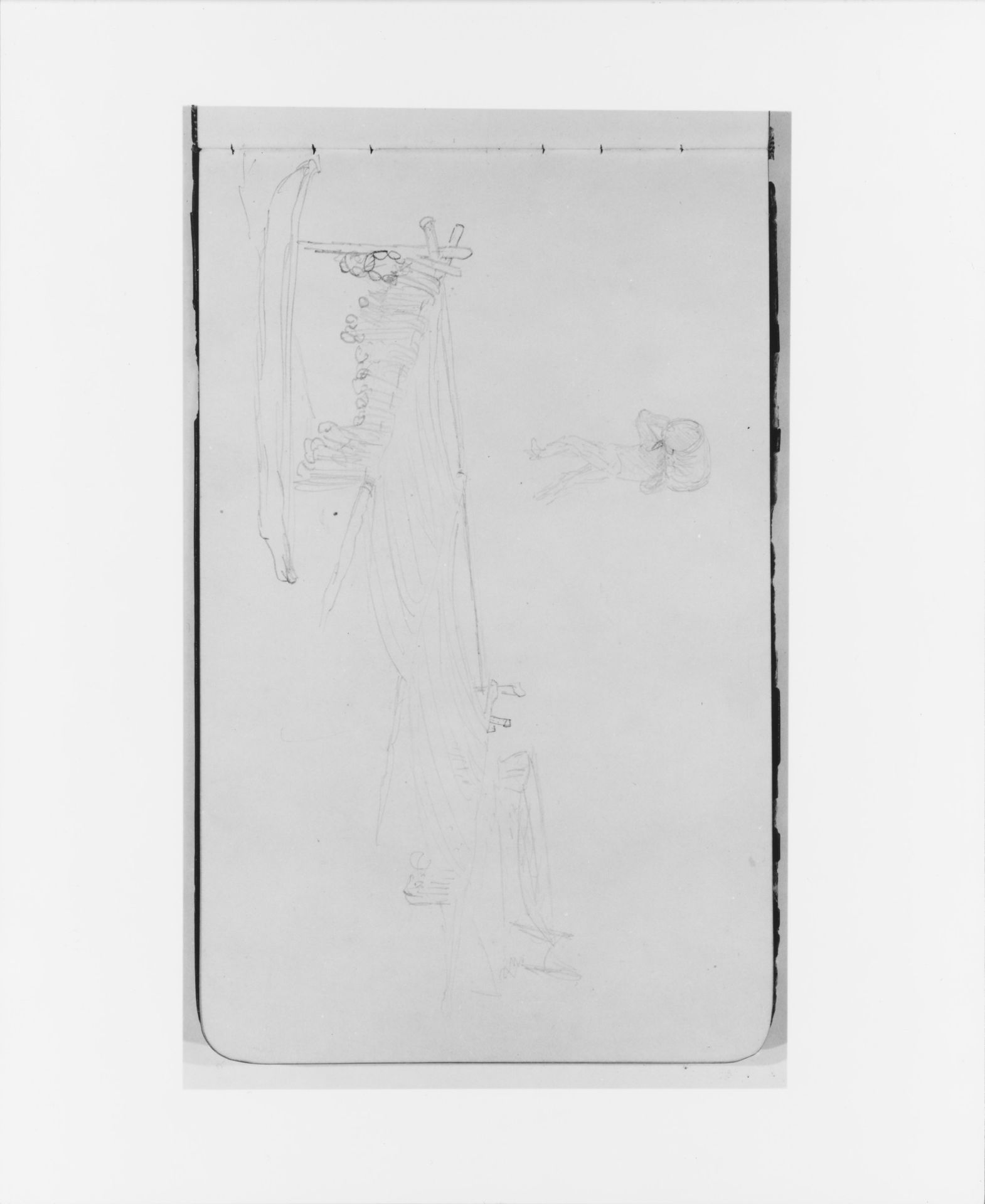
Sketches of Canoes and a Figure Carrying a Barrel (from Sketchbook)


Listen to curator's interpretation
Curatorial notes
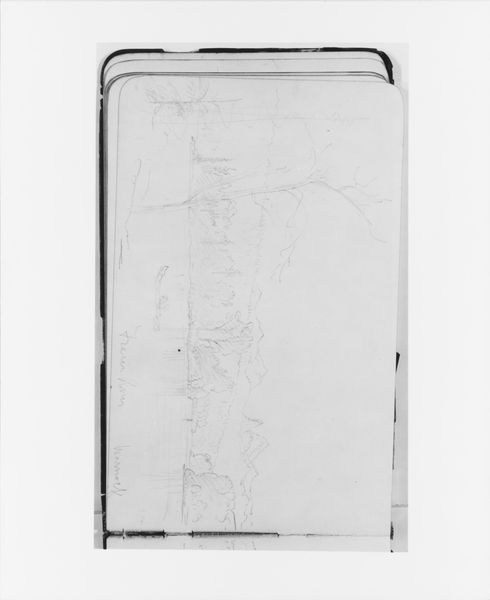
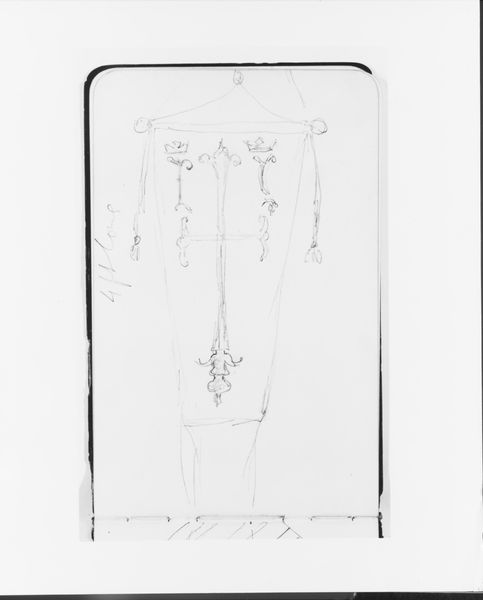
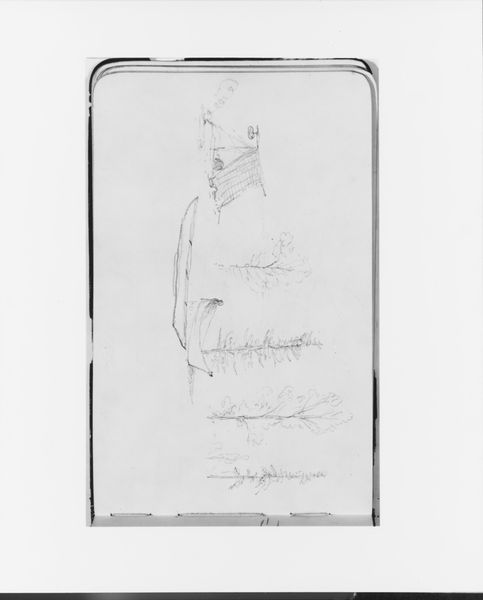
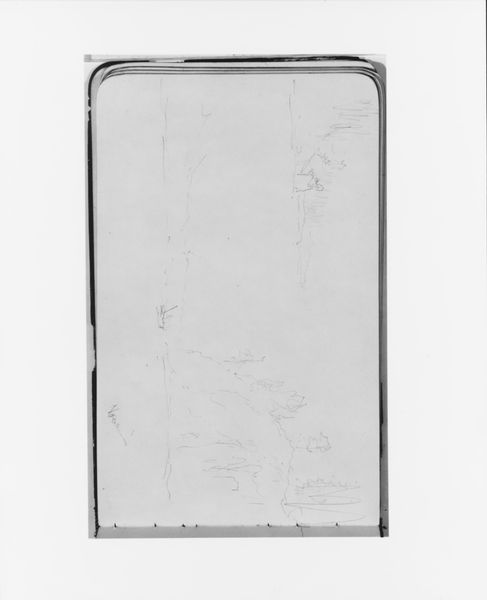
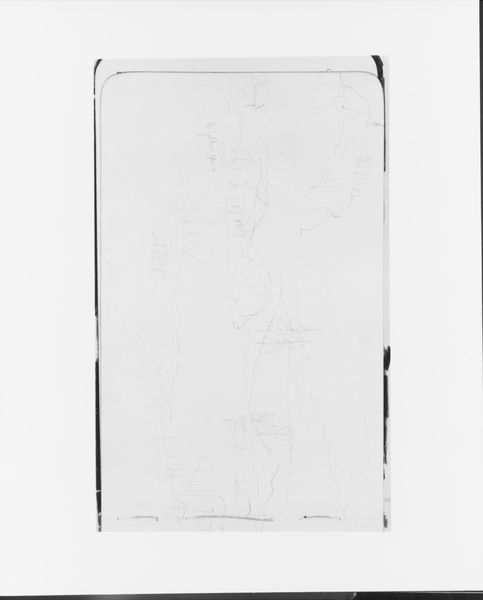
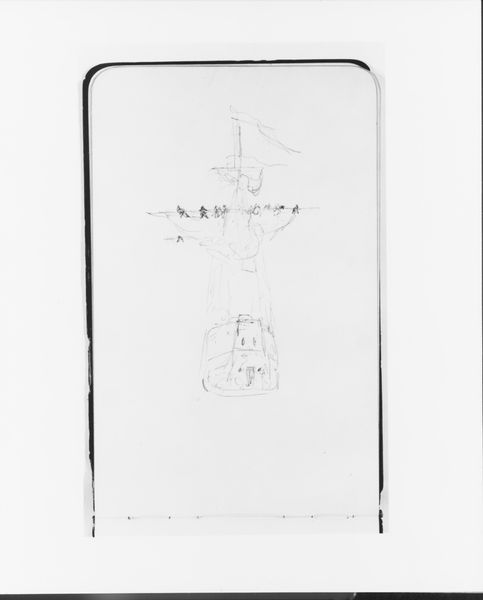
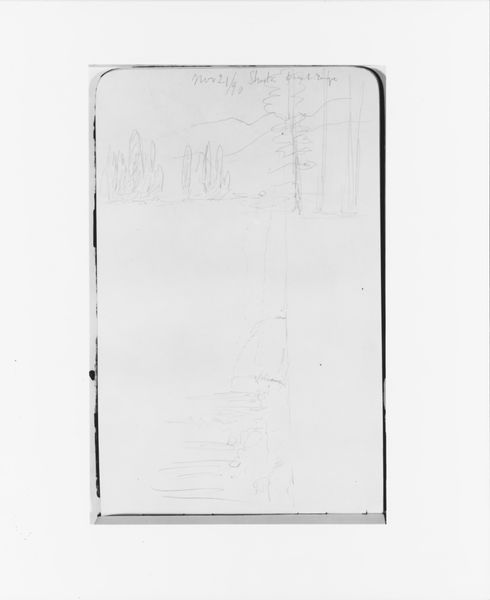
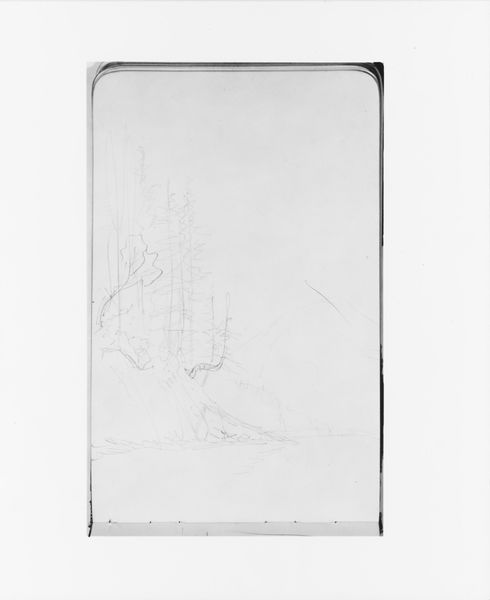
Editor: So, this is Albert Bierstadt's "Sketches of Canoes and a Figure Carrying a Barrel" from 1890, done in pencil on paper, currently held at The Met. It's preliminary, definitely a sketch, almost ghostly. What jumps out at you? Curator: The bare lines feel almost like mnemonic devices, whispering stories of transit and labour. Look at the canoe sketches; don't they evoke centuries of indigenous travel and trade routes etched into the collective memory of a landscape? Editor: Absolutely! And the figure with the barrel? It looks like such a routine activity, but placed next to these canoes, it hints at a whole economic system. Curator: Exactly! The barrel-carrier embodies resource extraction and its distribution. Think about the symbol of the barrel: containment, abundance, but also, potentially, exploitation of natural resources and even people. What stories of early America do you see in the sketch's details? Editor: That's a good question. The quickness of the strokes might speak to the rapid changes happening then, the acceleration of westward expansion and its impact on Native populations. It's like a visual shorthand for a much larger historical narrative. Curator: Precisely. Bierstadt, consciously or not, encodes these complexities within seemingly simple images. The sketches operate as cultural artifacts laden with symbolic weight about mobility, transformation, and interaction within this period. Editor: I see what you mean. I was so focused on the sketch-like quality, I missed the potential layers of meaning embedded within. Curator: Often, it is precisely in these perceived "in-betweens"—sketches, fragments, fleeting impressions—that we discover a culture's subconscious taking shape. Editor: Thanks, I'll definitely look at sketches differently from now on! Curator: Likewise, your insights into historical context make me consider even further implications of how Bierstadt perceived early America through work and journeys.