

1745
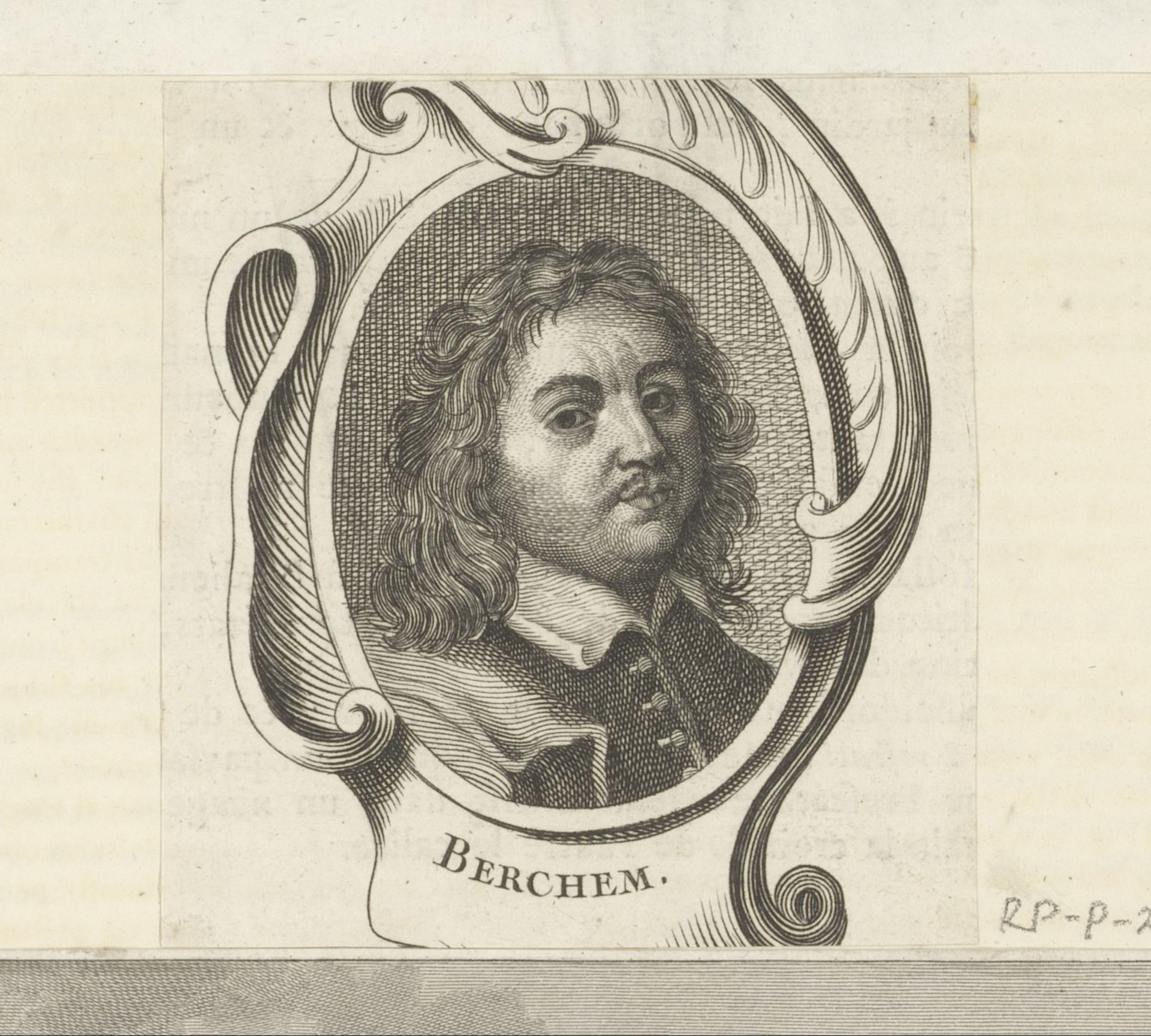
Portret van Nicolaes Pietersz Berchem

Anonymous
@anonymousLocation
RijksmuseumListen to curator's interpretation
Curatorial notes
Curator: Wow, that engraving gives a sense of stepping back in time, doesn’t it? Like finding a forgotten portrait tucked away in an old book. Editor: It certainly does. This is "Portret van Nicolaes Pietersz Berchem", an engraving made in 1745. It currently resides in the collection of the Rijksmuseum. The piece offers a glimpse into the visual culture of the Baroque era. The detail captured with those fine lines is quite remarkable, don't you think? Curator: Oh, absolutely! It’s the way the lines create textures that really pulls me in. See how the engraver captured the light on Berchem’s face and the softness of his hair. The framing is ornate but still feels organic; it really does highlight the sitter. Editor: Indeed. That ornamental frame, coupled with Berchem's poised presentation, reflects a desire to convey status and sophistication—a characteristic of portraiture in the 18th century. And portraits of artists are powerful cultural signifiers. The very act of commemorating someone in this way, then and now, suggests that that life or body of work holds value. It influences how we interpret historical and present-day artists, who often reflect dominant narratives. Curator: I can get behind that; it suggests a canonization. But on another level, seeing this face from so long ago—it humanizes history for me. What I’m really left with is an intimate and imaginative connection with this guy and his life. Did he have any idea someone would be looking at him over two-hundred years later? Editor: A very astute observation. The intimacy created is interesting when we think about portraiture from a modern lens and reflect on issues such as gender and class, or race and access, which play important roles in influencing who gets captured for posterity. It raises questions, doesn’t it? Curator: Absolutely! I wonder if our portrait choices now will feel as telling or meaningful in the future. Perhaps. But in the meantime, let us celebrate Berchem’s magnificent curls! Editor: Indeed, let us also continue reflecting on these visual archives to ensure a future vision that reflects diverse, challenging, and innovative representations.