About this artwork
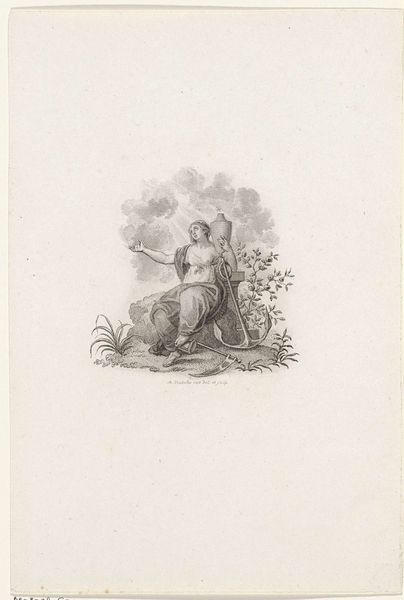
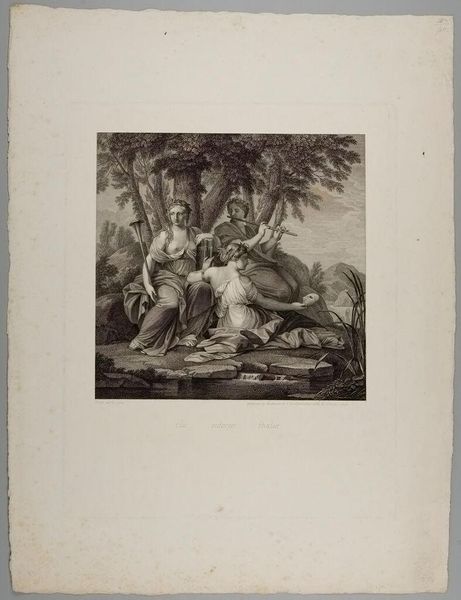
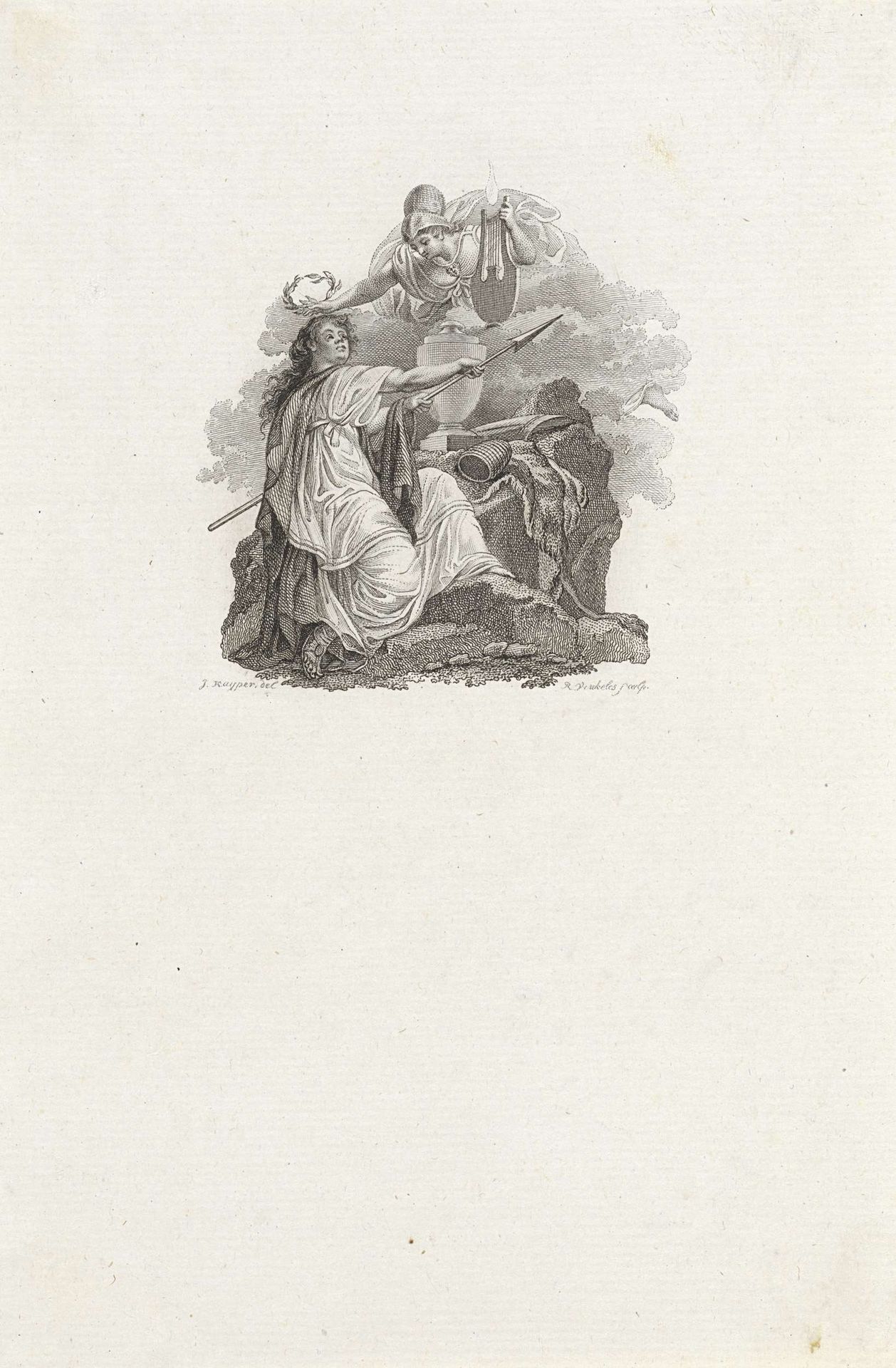
Reinier Vinkeles created this vignette, an etching, sometime in the late eighteenth or early nineteenth century. It features a woman with a spear who is about to be crowned with a laurel wreath. Vinkeles was working in a Netherlands undergoing major political and social change, influenced by the Enlightenment and the French Revolution. In this context, allegorical figures were often used to represent abstract concepts like liberty or justice. Here, the woman with the spear likely embodies civic virtue or patriotism, while the crowning suggests honor and recognition for her bravery. The neoclassical style, with its emphasis on reason and order, reflected the Enlightenment ideals that were transforming European societies at the time. To understand this work more fully, we can consult historical archives, political pamphlets, and philosophical texts from the period. By exploring these resources, we can uncover the complex layers of meaning embedded within the artwork.
Vignet met een vrouw met lans gekroond met lauwerkrans
1751 - 1816

Reinier Vinkeles
1741 - 1816Location
RijksmuseumArtwork details
- Dimensions
- height 245 mm, width 163 mm
- Location
- Rijksmuseum
- Copyright
- Rijks Museum: Open Domain
Tags
Comments
Share your thoughts
About this artwork
Reinier Vinkeles created this vignette, an etching, sometime in the late eighteenth or early nineteenth century. It features a woman with a spear who is about to be crowned with a laurel wreath. Vinkeles was working in a Netherlands undergoing major political and social change, influenced by the Enlightenment and the French Revolution. In this context, allegorical figures were often used to represent abstract concepts like liberty or justice. Here, the woman with the spear likely embodies civic virtue or patriotism, while the crowning suggests honor and recognition for her bravery. The neoclassical style, with its emphasis on reason and order, reflected the Enlightenment ideals that were transforming European societies at the time. To understand this work more fully, we can consult historical archives, political pamphlets, and philosophical texts from the period. By exploring these resources, we can uncover the complex layers of meaning embedded within the artwork.
Comments
Share your thoughts