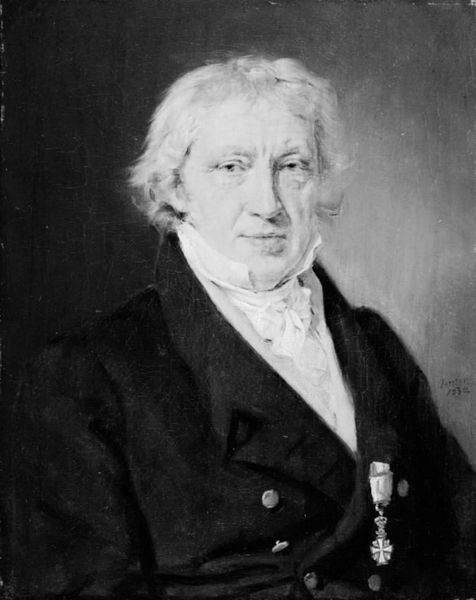
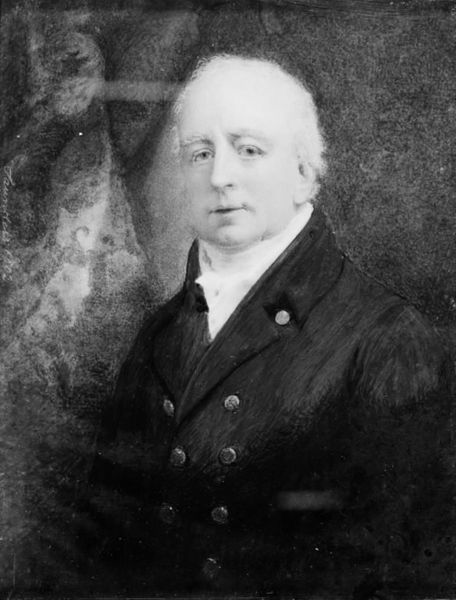
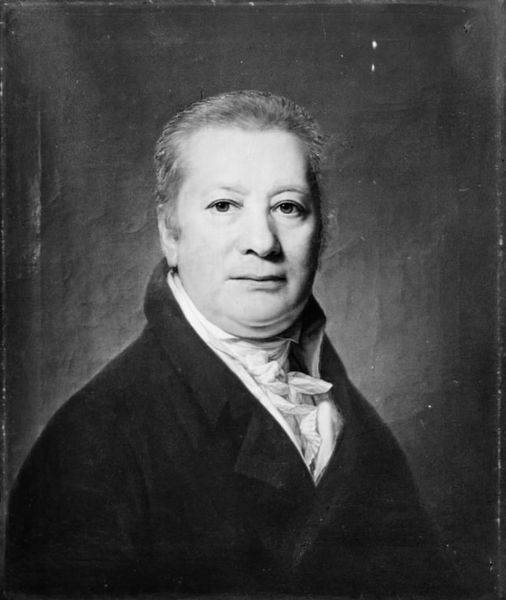
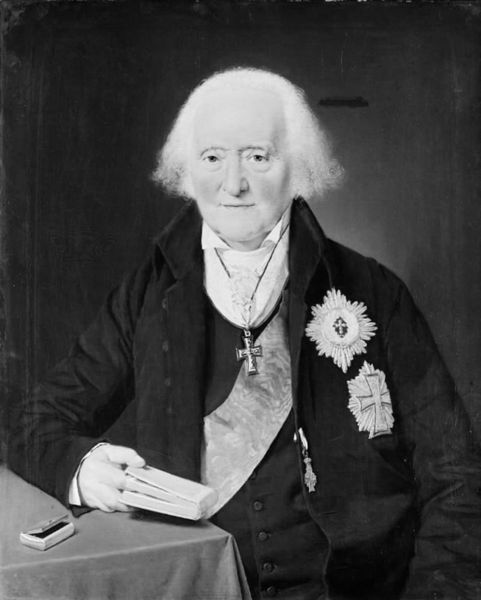
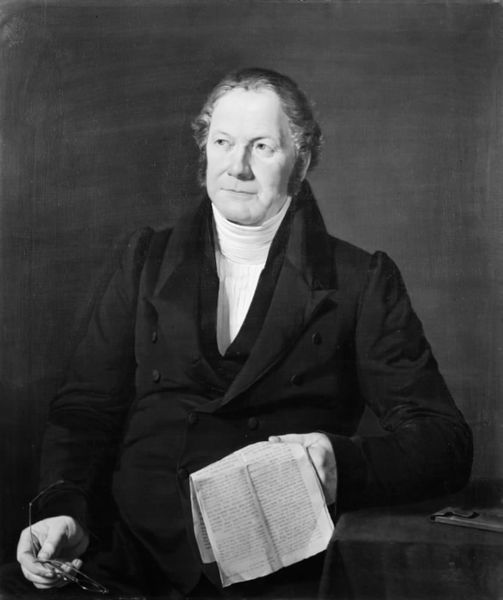
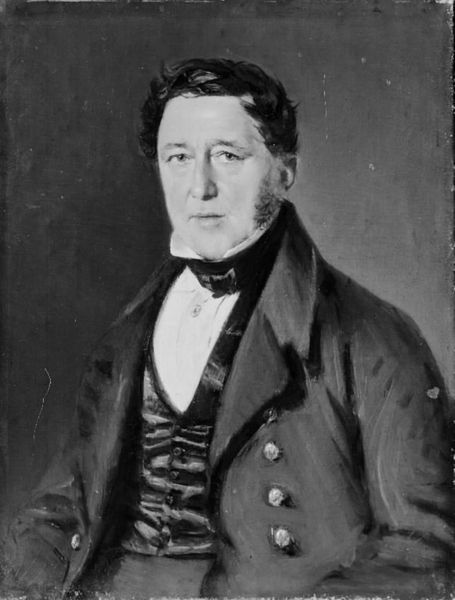
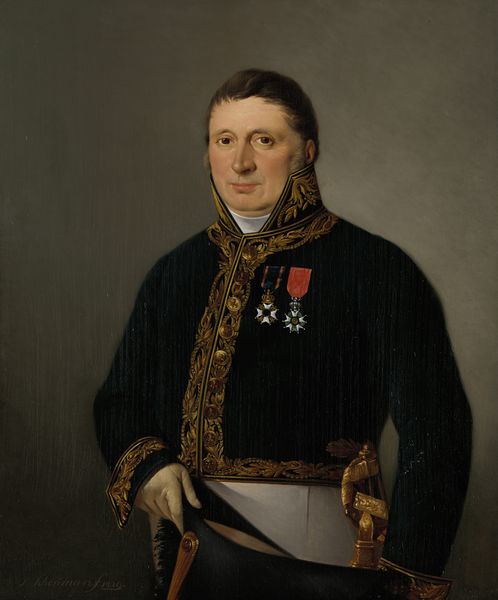
Lieutenant Colonel Johan Philip Weilbach, Maker of Sails, Flags and Compasses 1834


oil-paint, canvas
portrait
portrait
oil-paint
canvas
male portrait
romanticism
history-painting
portrait art
Dimensions: 24.5 cm (height) x 21.5 cm (width) (Netto)
Curator: Standing before us is C.A. Jensen's 1834 oil on canvas titled "Lieutenant Colonel Johan Philip Weilbach, Maker of Sails, Flags and Compasses." It's a fine example of Danish Romantic portraiture held at the SMK. What are your first impressions? Editor: It’s undeniably…grounded. The dark palette, the subject’s solid presence. There's a sense of responsibility, almost melancholy, in his eyes. And those decorations! They carry the weight of duty and history. Curator: Indeed. Jensen painted Weilbach, a man of considerable importance to maritime Denmark. Not merely as a naval officer but a provider of essential navigational tools and symbols for the kingdom's seaborne ambitions. Consider the Romantic era fascination with individuals shaping nations. Editor: Those decorations intrigue me. They appear to be Maltese crosses of some order. These weren't simply honors; they visually encoded status, allegiance, and contributions to society. What cultural narrative did they help construct in the eyes of his contemporaries? Curator: They spoke of valor, service, and dedication to the crown and to maritime enterprise, aligning Weilbach with the grand narrative of Danish naval prowess, very much in vogue during the Romantic period when national identity was being actively shaped and reinforced through symbols and stories. It's a perfect instance of how portraiture served as statecraft. Editor: I see the muted palette amplifying this solemn mood. The way light catches only key areas of his face – a visual highlighting of wisdom and seriousness befitting his position. It lacks the exuberance we often associate with Romanticism but conveys a sense of resolute purpose, and solidifies him as a pillar of his society. Curator: Precisely! While stylistically Romantic, the work underscores how political and social elites wanted to be seen; it is carefully cultivated and presents him in a manner to exude capability and statesmanship, embedding Weilbach firmly in Denmark's burgeoning national mythos. It emphasizes duty over flamboyance. Editor: Thinking of those compasses and flags he produced – such potent symbols of exploration and national pride. Even the sails speak of venturing out into the world, guided by expertise and ingenuity. It adds another layer to this portrayal; beyond his societal role, he’s a symbolic navigator, a guide for the nation. Curator: He embodied the spirit of Danish enterprise at a time of naval resurgence and trade expansion, the period of burgeoning globalization, where images themselves were being consciously deployed. His contribution in flags, sails, compasses would have cemented Danish presence on global stage, tying it to its cultural memory and naval and trade ambition. Editor: Seeing this piece really deepens an appreciation of the quiet power imagery can wield. Thanks! Curator: An astute assessment. It's a window into how identities and nations were visually forged.
Comments
No comments
Be the first to comment and join the conversation on the ultimate creative platform.
 React
React Comment