drawing, coloured-pencil
#
drawing
#
coloured-pencil
#
coloured pencil
#
academic-art
#
watercolor
Dimensions: overall: 46 x 56.6 cm (18 1/8 x 22 5/16 in.) Original IAD Object: 16 1/2" wide; 20" high; 2" thick
Copyright: National Gallery of Art: CC0 1.0
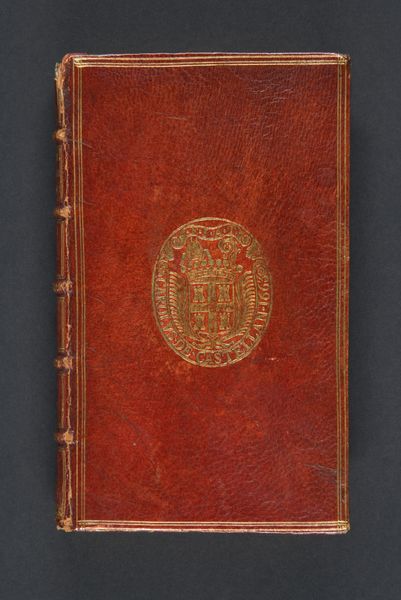
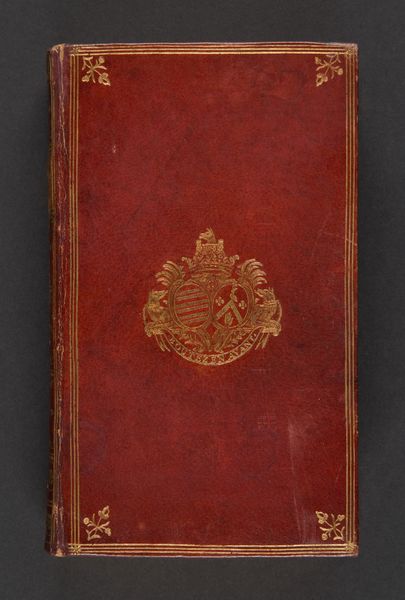
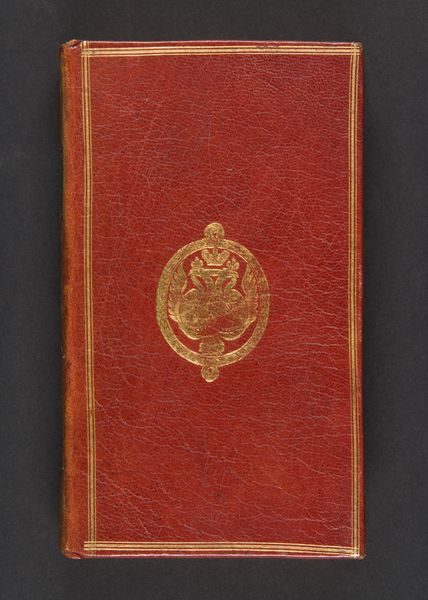
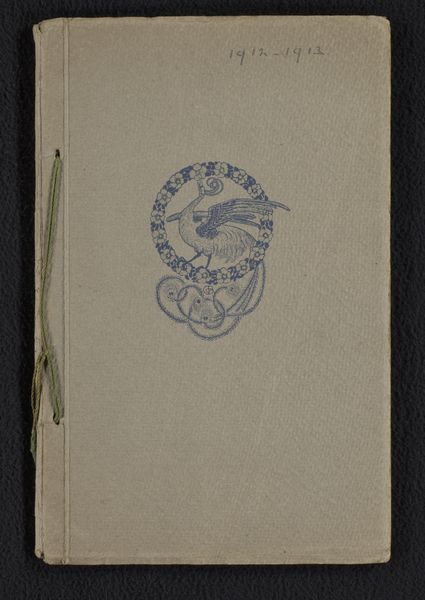
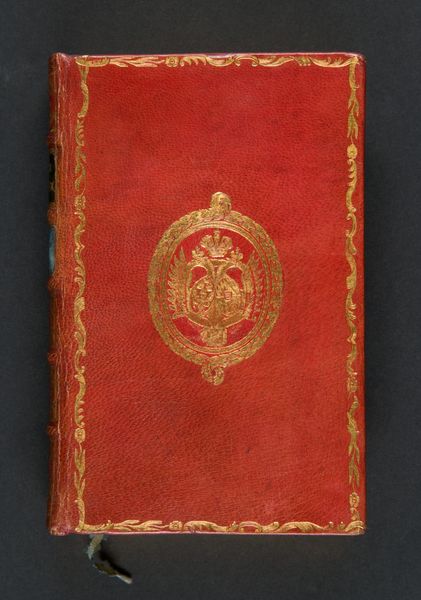
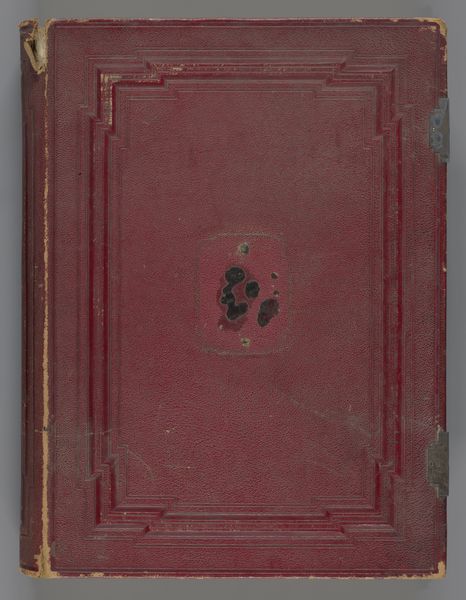
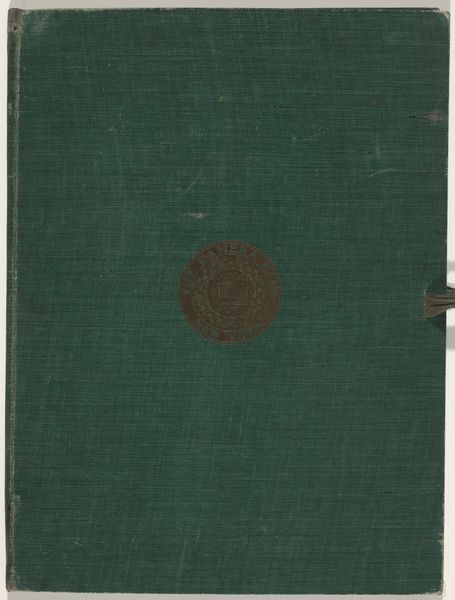
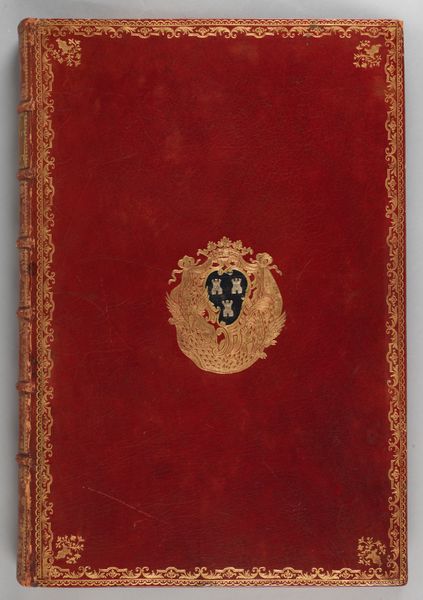
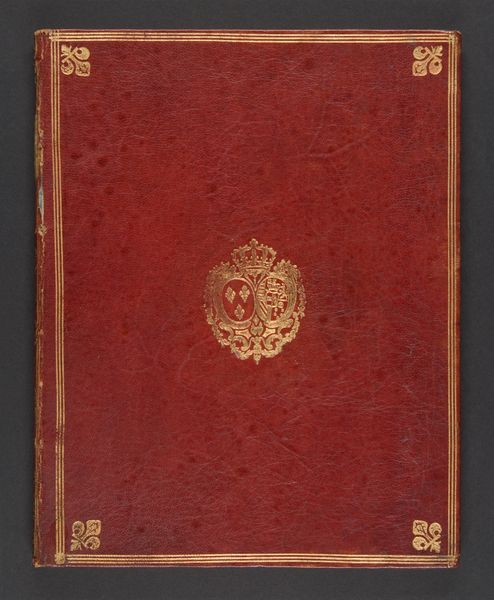
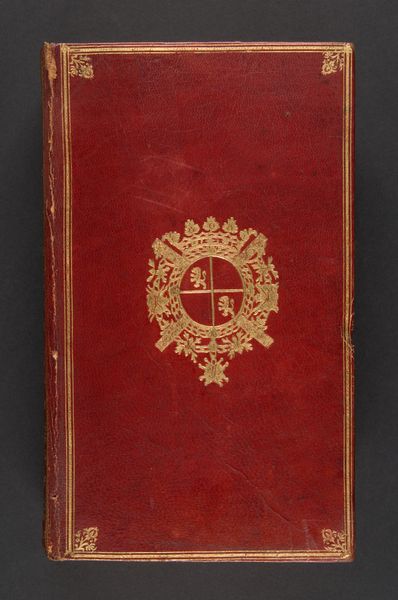
Curator: Alright, let’s delve into Wayne White's “Book with U.S. Seal on Cover," dating back to around 1941, crafted with coloured pencil. My immediate reaction is one of stark formality and quiet authority. The closed book, the rigid seal, there is such deliberateness in it. Editor: Absolutely, and the material rendering here—it’s all about the textured cover, the subtle sheen of the seal, suggesting a weighty object. It immediately evokes questions of access: Who gets to open this book? What labor went into its construction? Curator: It also resonates strongly with the social climate of the time, doesn't it? A moment of immense geopolitical strain as the war looms on the horizon. Consider the national pride and also potential political statement bound into this artwork by situating it alongside similar, albeit propaganda based art that was created during this time? Editor: Yes, and even technically. What type of colored pencils did Wayne White work with? It shows an intriguing interplay between handmade craft and the industrial manufacturing linked to such authoritative symbols, how do these realities inform and play with each other. Curator: Perhaps. It could signal institutional authority. Yet the artist also shows it as almost vulnerable. How can it stand on its own without external influence. How can someone open and experience something without societal bias? Editor: And even if such experience is 'open' we should still investigate who can benefit from the accessibility itself. Think about those books during the Second World War; maybe there were texts containing plans about where to find resources and so forth; access like that inherently limits it to those 'in' with specific agendas. Curator: True, the emblem of power centralizes attention, but, overall the artist hints toward broader considerations on justice and power structures embedded within art history itself. Editor: So true, the artist is pushing viewers to see beyond this one example; instead seeing similar authoritative institutions from multiple perspectives and challenging existing norms for how societies see power. This opens paths to analyzing materials of artistic value and to recontextualizing history.
Comments
No comments
Be the first to comment and join the conversation on the ultimate creative platform.
 Collect
 React
React Comment
More like this