About this artwork
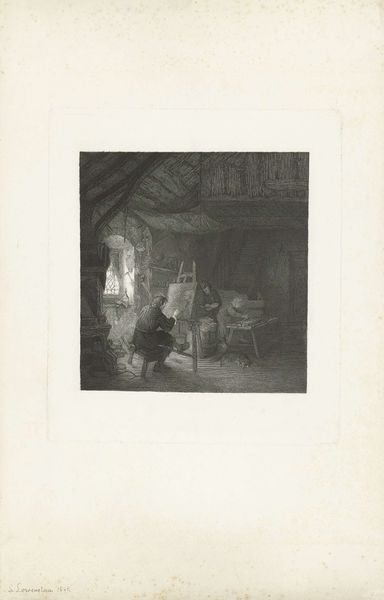
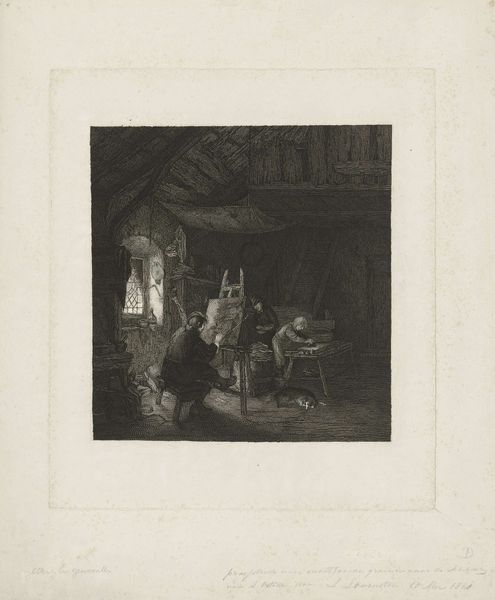
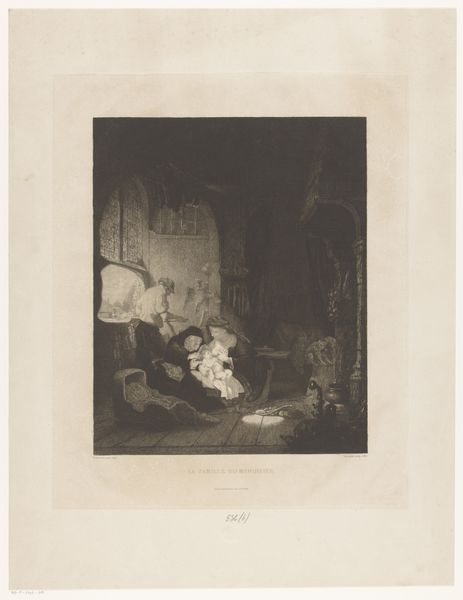
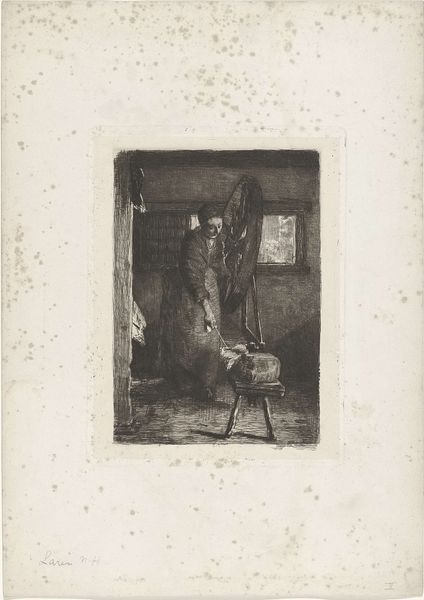
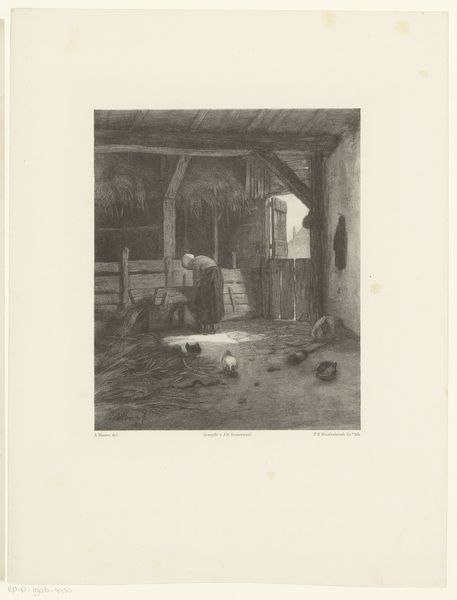
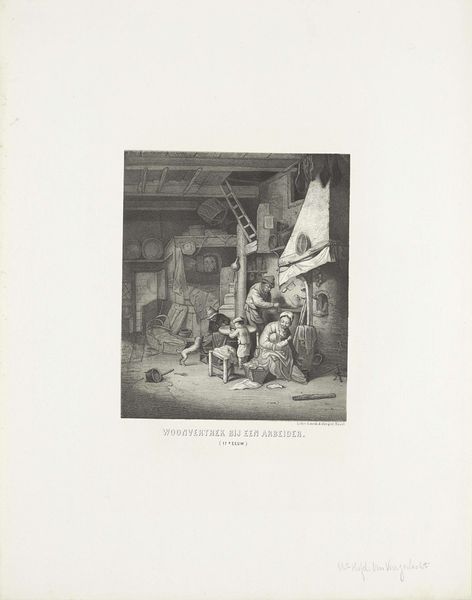
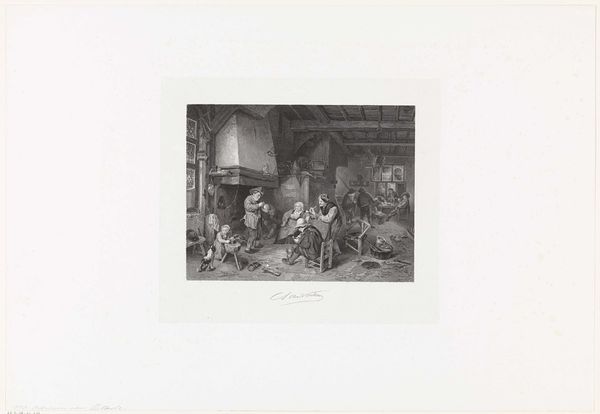
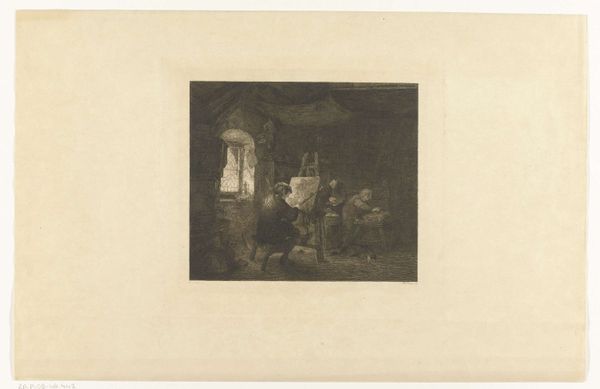
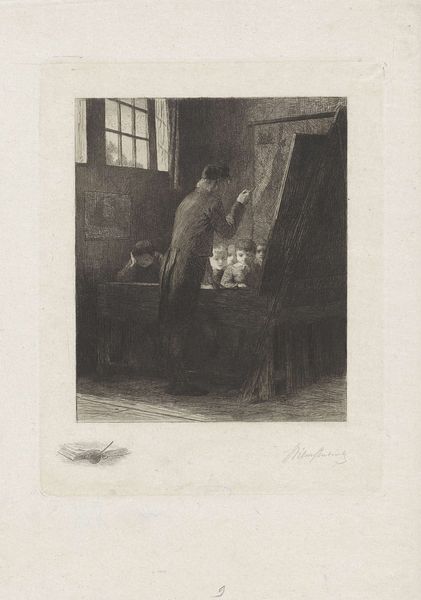
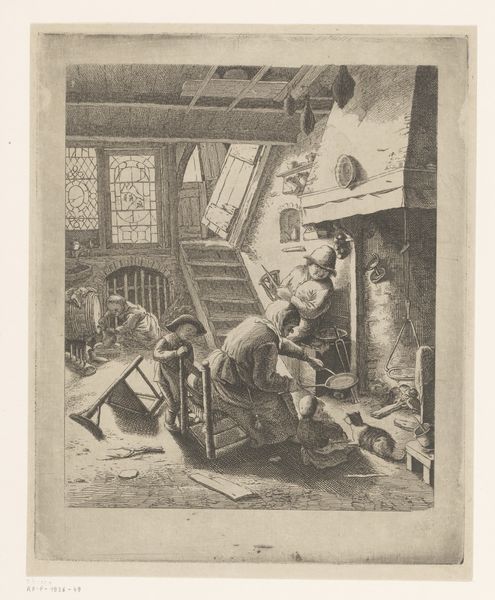
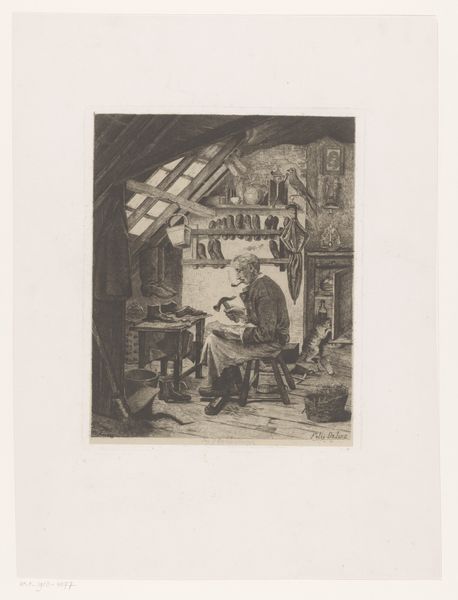
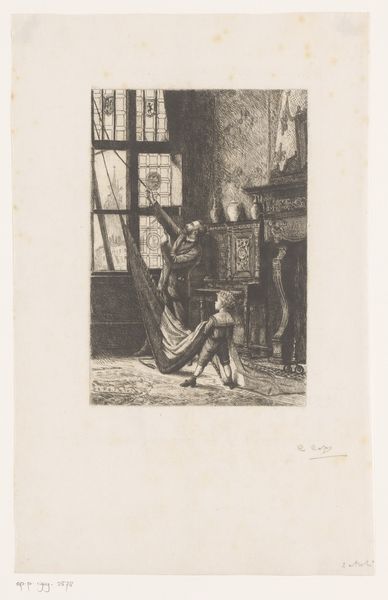
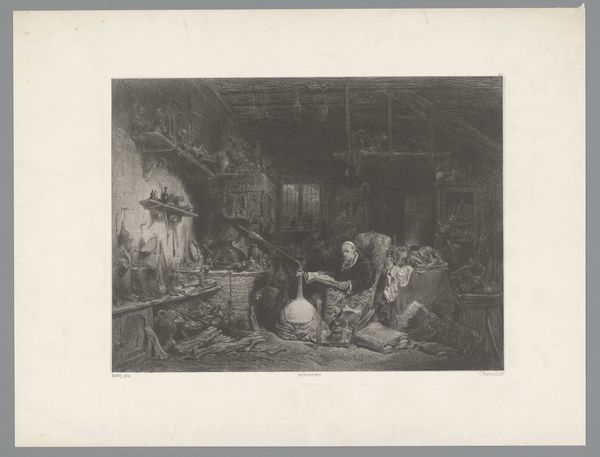
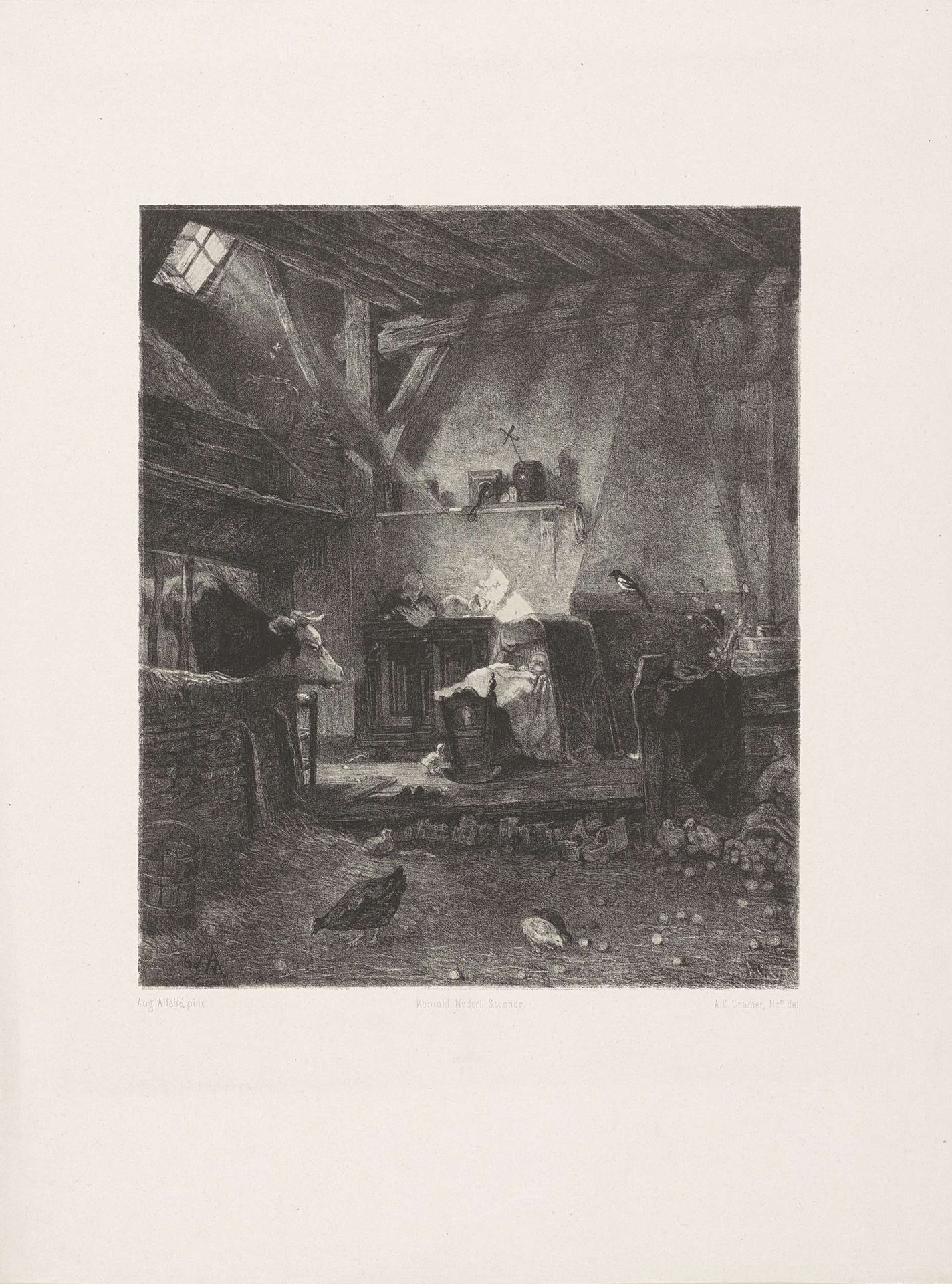
Anthony Cornelis Cramer made this etching, Het welbewaakte kind, using metal plates, acid, and ink. Etching is an indirect process, where lines are bitten into a metal plate using acid, then filled with ink, and printed onto paper. Look closely, and you can see how the density of lines creates shadows and volume, giving a sense of depth to the image. The texture of the paper also contributes to the work’s overall appearance, softening the contrast and adding a tactile quality. The etching process, while requiring skilled labor, allowed for the relatively quick reproduction of images. This technique democratized art, making it more accessible to a wider audience, and speaks to broader social issues of labor, politics, and consumption. So next time you look at a print, consider the labor and skill involved in its creation, and how this process has shaped our understanding of art and its role in society.

Artwork details
- Medium
- drawing, pencil
- Dimensions
- height 352 mm, width 265 mm
- Location
- Rijksmuseum
- Copyright
- Rijks Museum: Open Domain
Tags
Comments
Share your thoughts
About this artwork
Anthony Cornelis Cramer made this etching, Het welbewaakte kind, using metal plates, acid, and ink. Etching is an indirect process, where lines are bitten into a metal plate using acid, then filled with ink, and printed onto paper. Look closely, and you can see how the density of lines creates shadows and volume, giving a sense of depth to the image. The texture of the paper also contributes to the work’s overall appearance, softening the contrast and adding a tactile quality. The etching process, while requiring skilled labor, allowed for the relatively quick reproduction of images. This technique democratized art, making it more accessible to a wider audience, and speaks to broader social issues of labor, politics, and consumption. So next time you look at a print, consider the labor and skill involved in its creation, and how this process has shaped our understanding of art and its role in society.
Comments
Share your thoughts