1842
Twee voorstellingen

Johann Caspar Nepomuk Scheuren
1810 - 1887Location
RijksmuseumListen to curator's interpretation
Curatorial notes
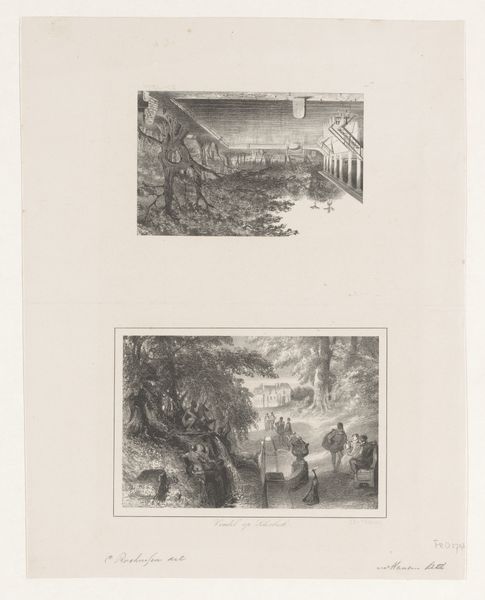
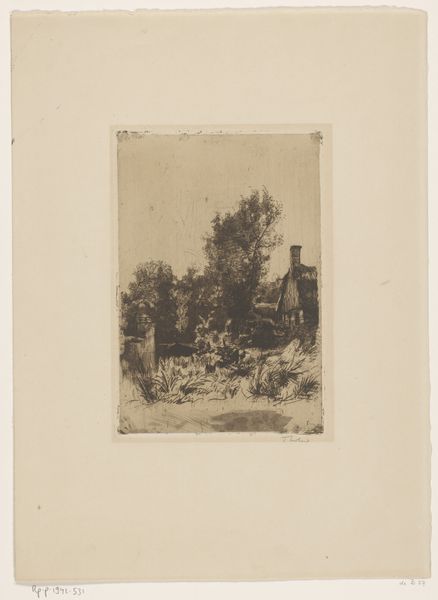
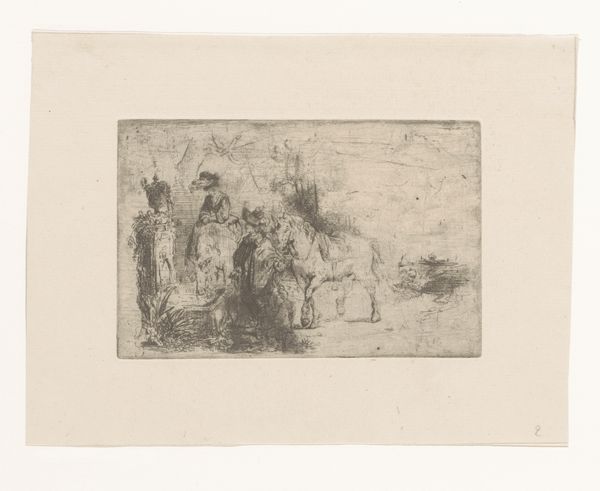
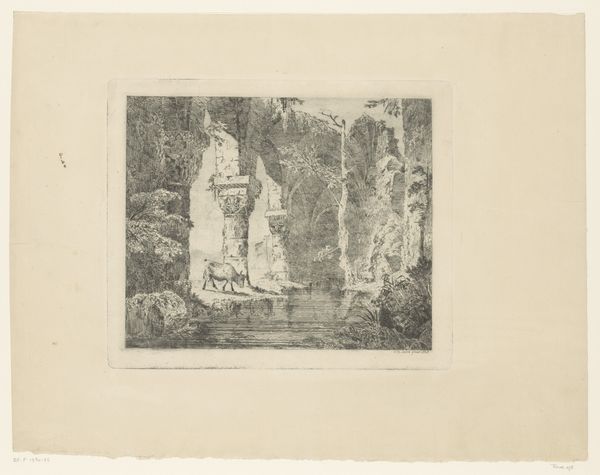
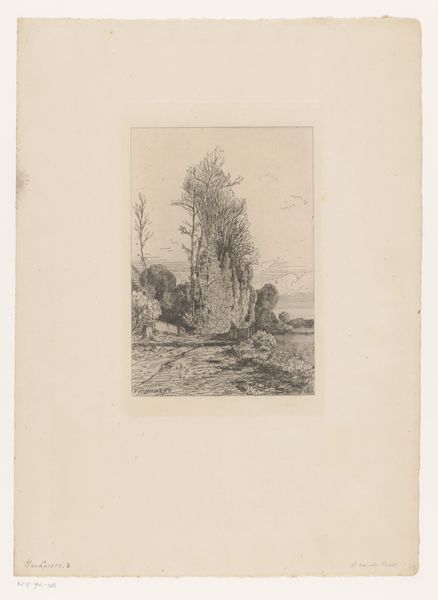
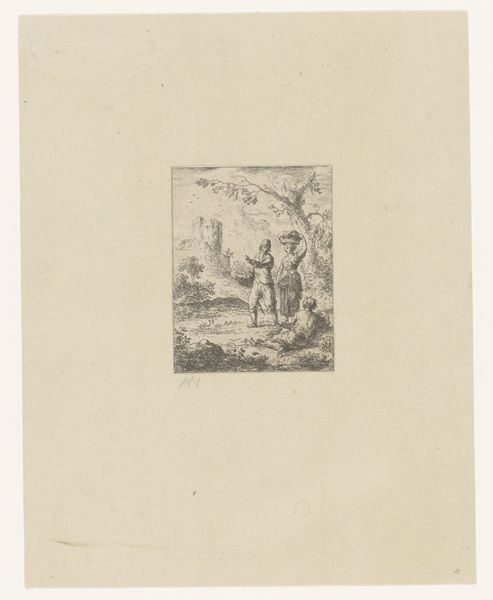
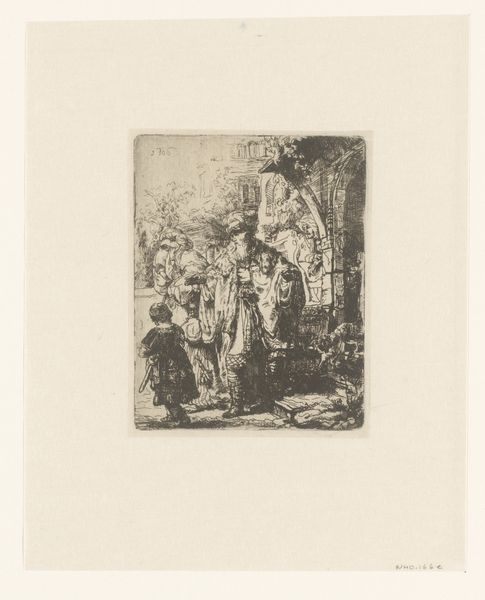
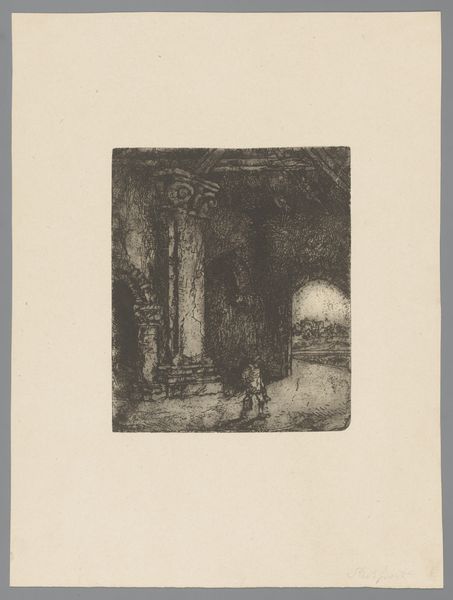
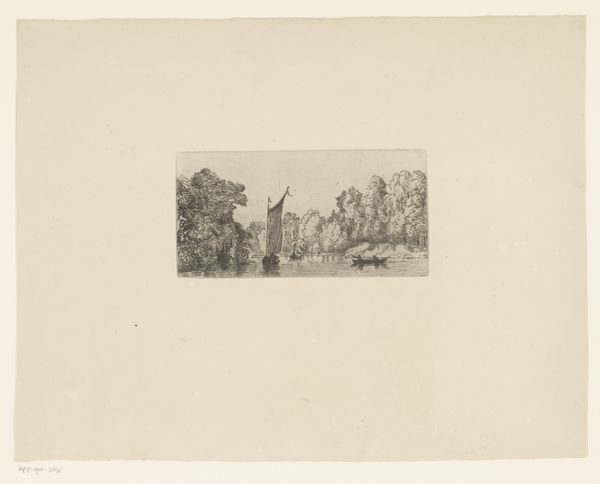
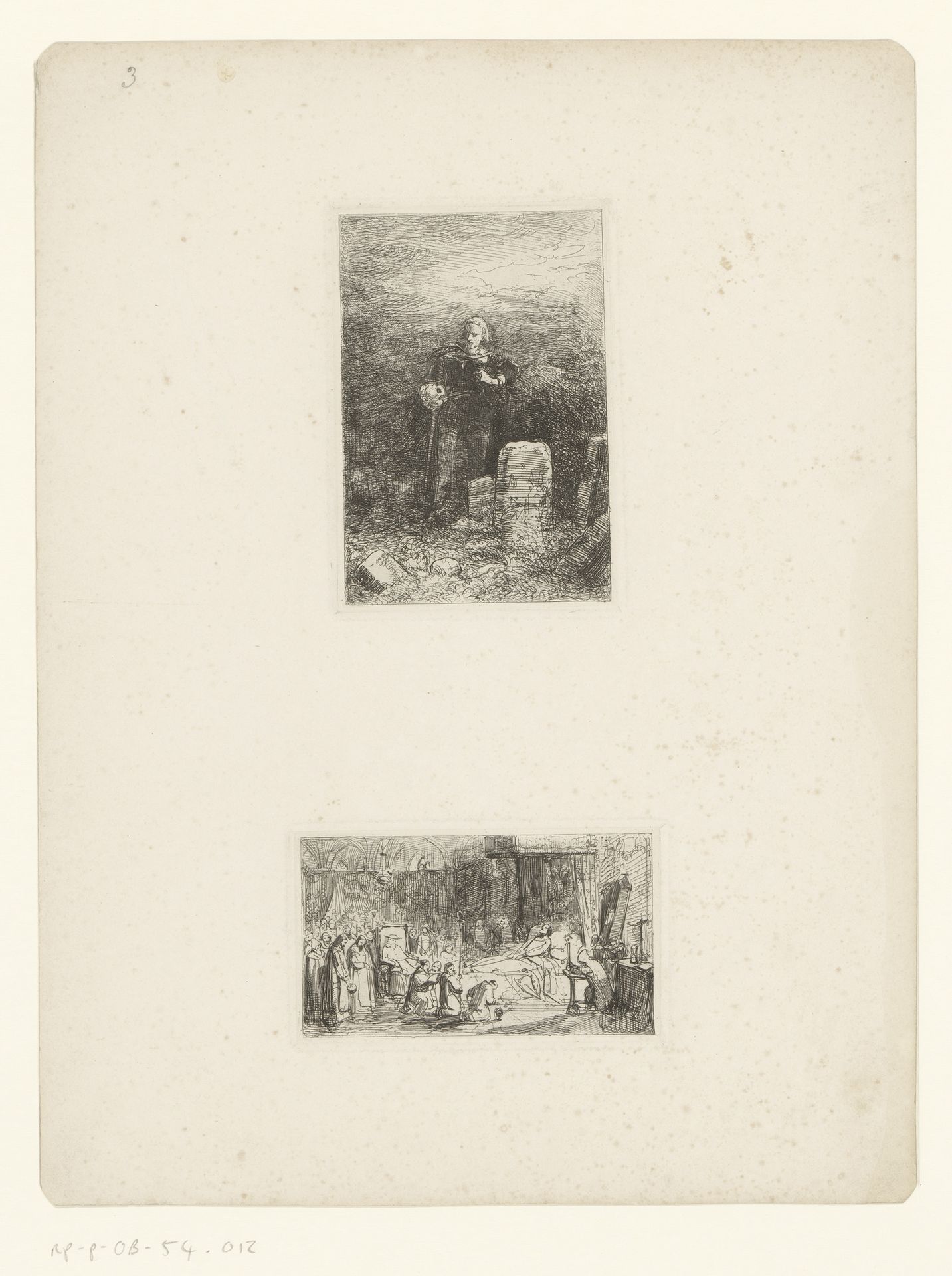
Johann Caspar Nepomuk Scheuren made these two images using etching, a printmaking technique, sometime in the 19th century. With etching, a metal plate, usually copper, is coated with a waxy, acid-resistant substance called a ground. The artist then scratches an image into the ground, exposing the metal beneath. When the plate is immersed in acid, the exposed lines are bitten, creating grooves. Ink is applied to the plate, filling the grooves, and the surface is wiped clean. Finally, the plate is pressed onto paper, transferring the inked image. The resulting lines have a characteristic quality, which is looser and more free-flowing than, say, engraving. Scheuren used this process to create two very different scenes. The top one shows a contemplative figure in a graveyard, while below is an interior scene with many figures and a bedchamber. Ultimately, understanding the nature of printmaking - the skilled labor, the possibility for mass production - is key to appreciating these small but evocative images.