About this artwork
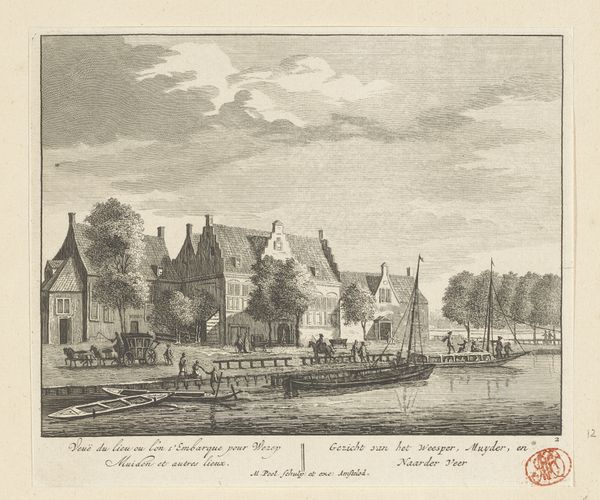
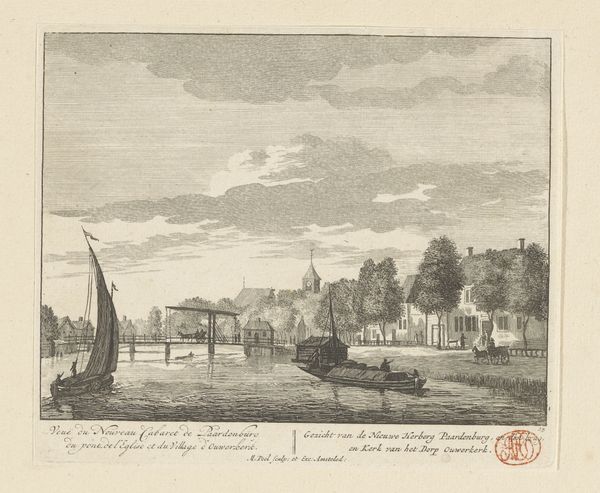
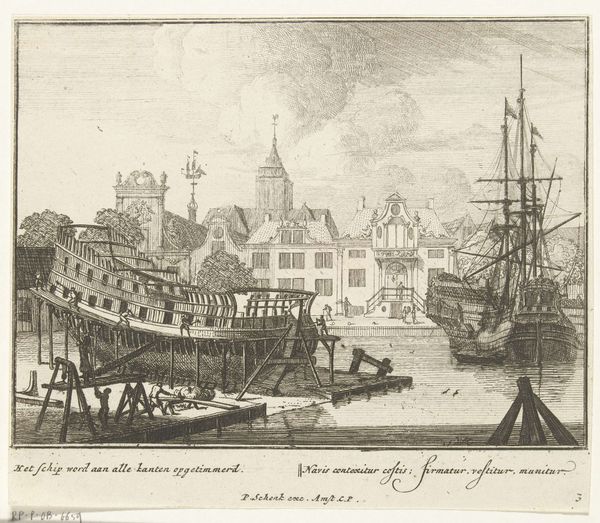
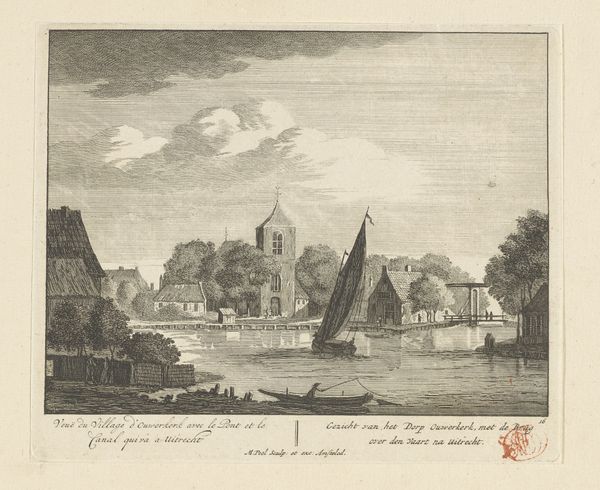
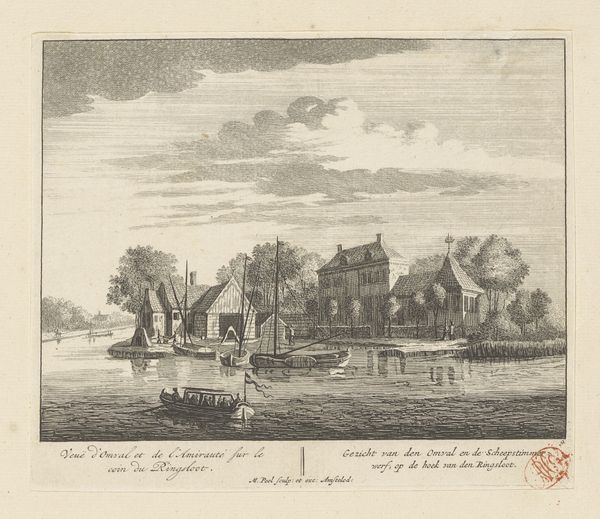
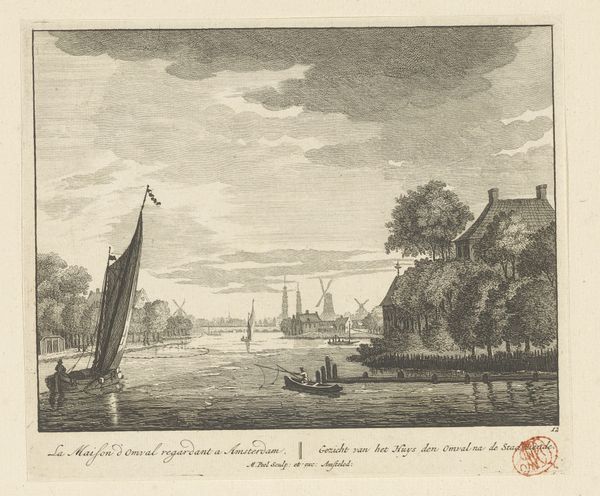
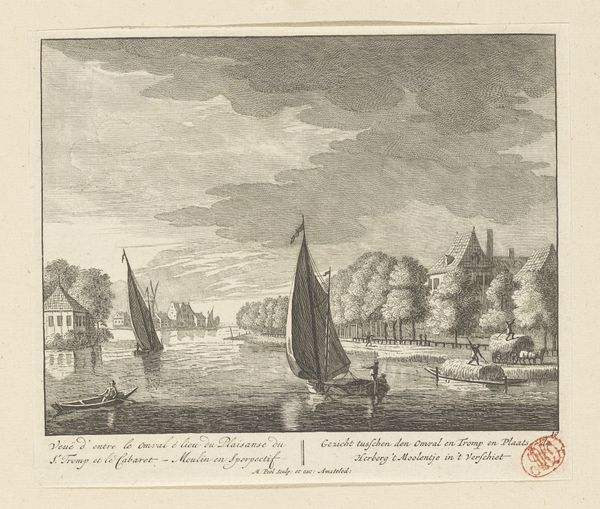
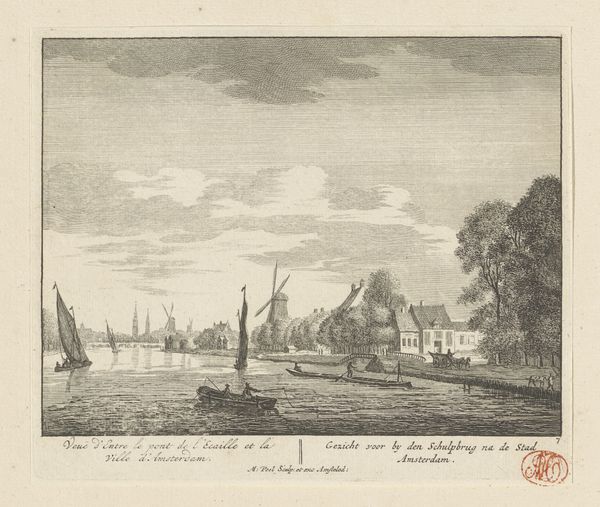
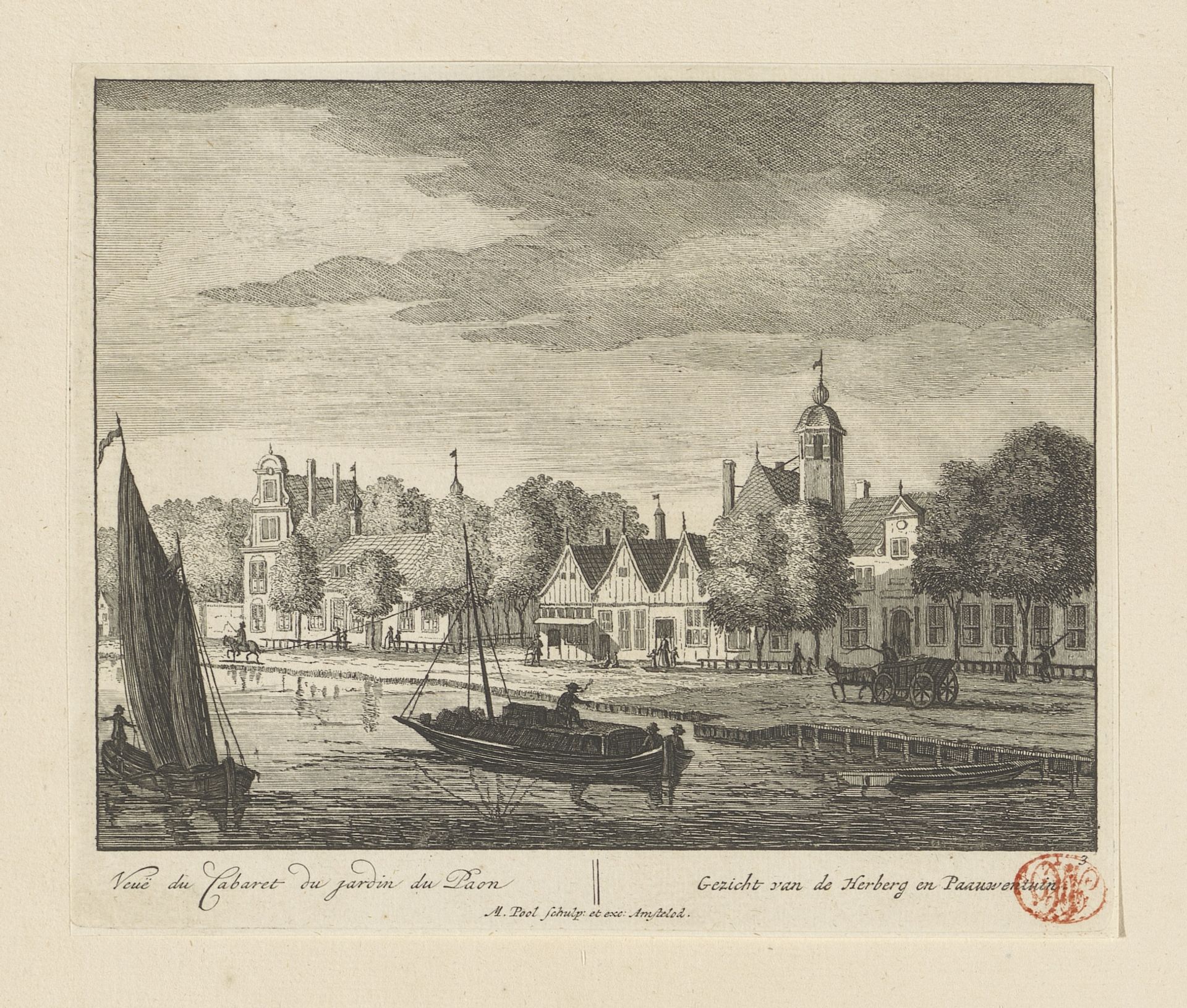
Matthijs Pool created this etching, "View of the Amstel at Pauwentuin", in the early 18th century. Pool was working in a society deeply stratified by class, where the Dutch Golden Age’s prosperity conspicuously displayed itself in the architecture and leisure activities of the wealthy. This image captures a scene of leisure and commerce along the Amstel River. Look at the details: the elegant buildings, the leisurely figures strolling, and the boats navigating the waterway. It is a snapshot of a society where wealth and trade shaped daily life and landscapes. What isn't shown but is always lurking, is the source of the wealth that allowed for such leisure: the exploitation of enslaved people and resources extracted from colonized lands. Pool gives us an opportunity to reflect on the visible and invisible forces that shape our world. It reminds us that every image, however serene, exists within a complex web of historical, social, and economic relations.

Artwork details
- Medium
- print, etching
- Dimensions
- height 163 mm, width 195 mm
- Location
- Rijksmuseum
- Copyright
- Rijks Museum: Open Domain
Tags
Comments
Share your thoughts
About this artwork
Matthijs Pool created this etching, "View of the Amstel at Pauwentuin", in the early 18th century. Pool was working in a society deeply stratified by class, where the Dutch Golden Age’s prosperity conspicuously displayed itself in the architecture and leisure activities of the wealthy. This image captures a scene of leisure and commerce along the Amstel River. Look at the details: the elegant buildings, the leisurely figures strolling, and the boats navigating the waterway. It is a snapshot of a society where wealth and trade shaped daily life and landscapes. What isn't shown but is always lurking, is the source of the wealth that allowed for such leisure: the exploitation of enslaved people and resources extracted from colonized lands. Pool gives us an opportunity to reflect on the visible and invisible forces that shape our world. It reminds us that every image, however serene, exists within a complex web of historical, social, and economic relations.
Comments
Share your thoughts