About this artwork
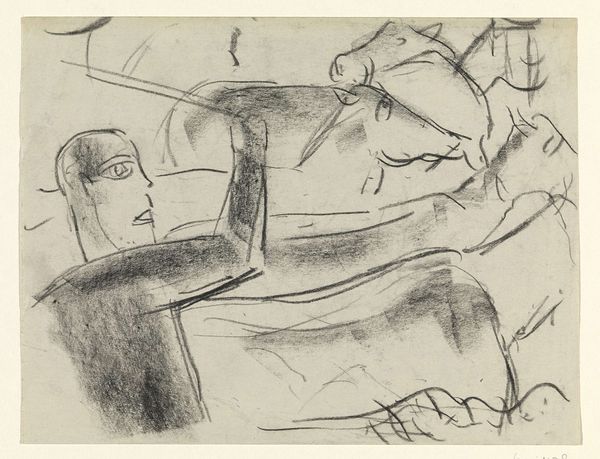
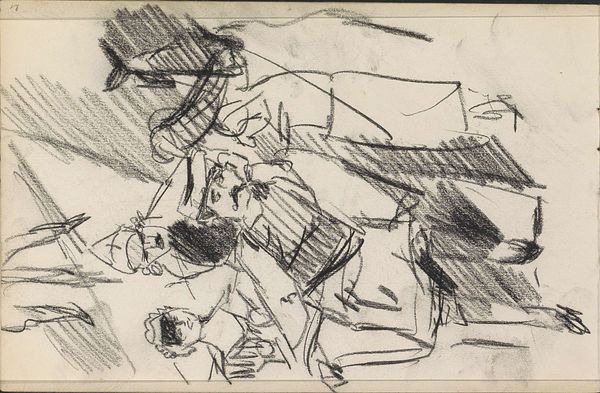
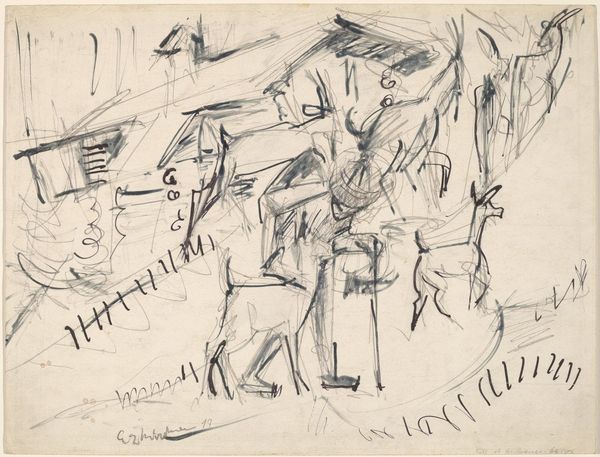
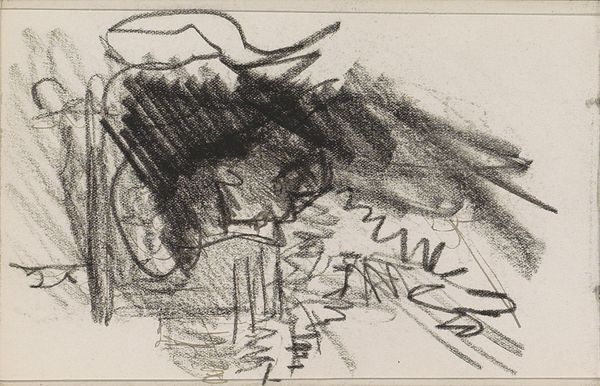
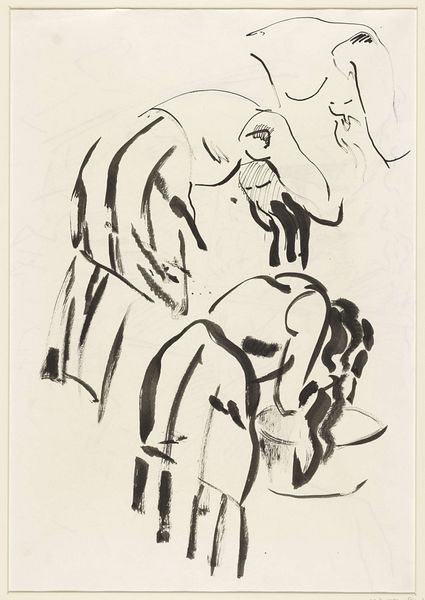
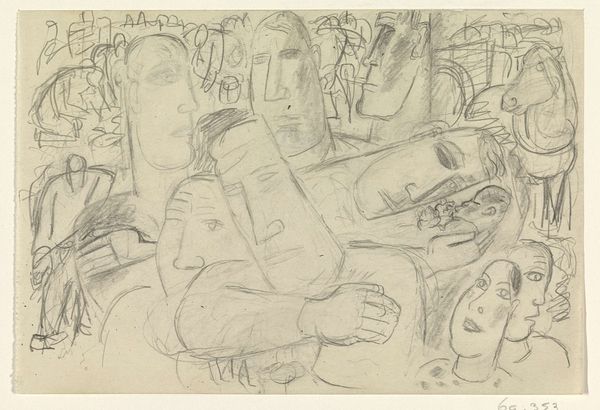
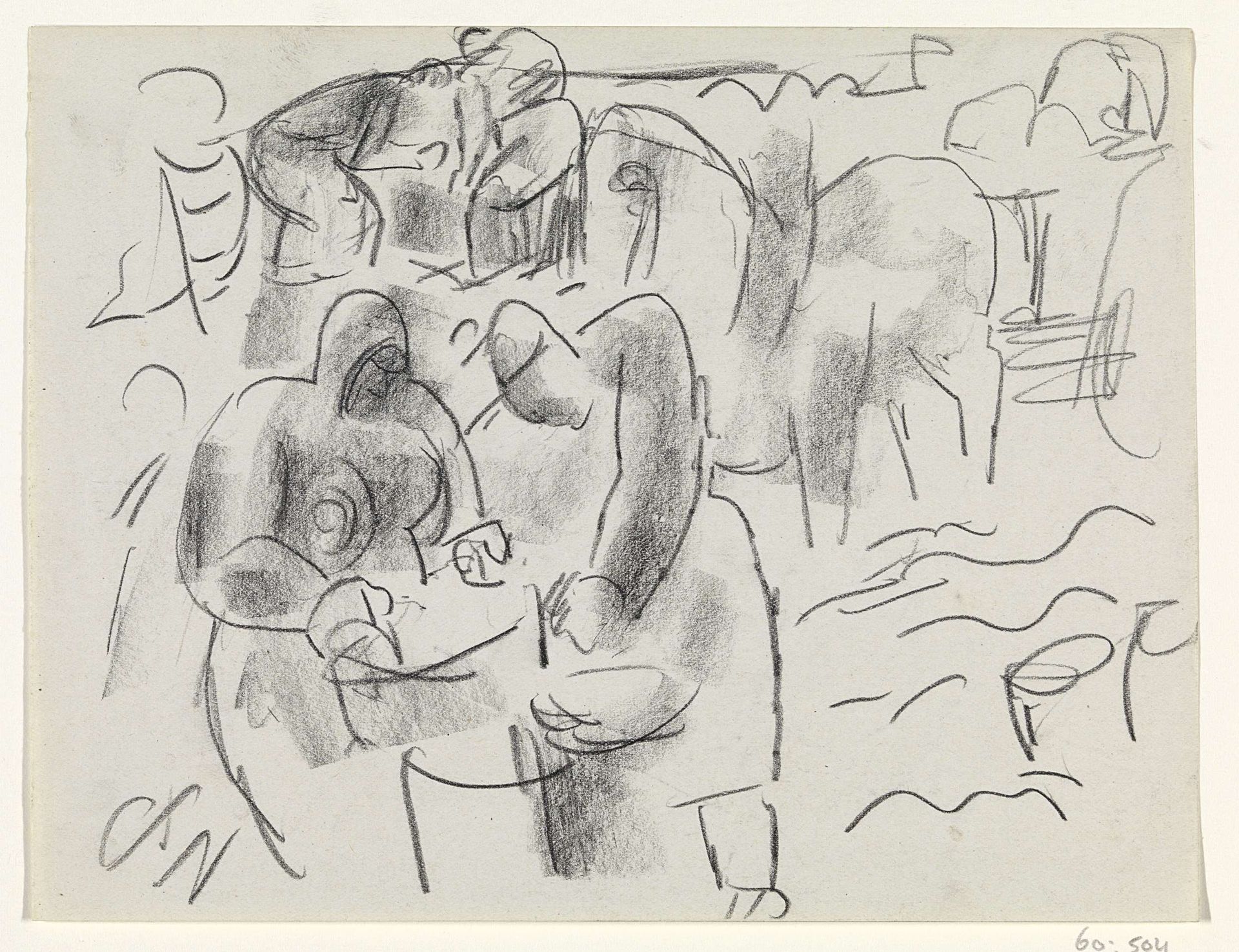
Leo Gestel made this charcoal drawing, "People in a Landscape with Horse and Cart," on paper sometime in the early twentieth century. The loose sketch shows figures amidst a landscape, seemingly engaged in labor, alongside a horse-drawn cart. Gestel was a Dutch artist, and this drawing reflects the social realities of rural life in the Netherlands during a period of significant transformation. As industrialization progressed, traditional ways of life came under increasing pressure. The drawing might be read as a commentary on the lives of working-class people and the changing relationship between humans and the land. To understand this work more fully, we could consult historical records, social surveys, and other documents that shed light on the economic and social conditions of the time. These resources help us appreciate how artists like Gestel engaged with the pressing issues of their day and how their art served as a form of social commentary.
Mensen in een landschap met paard en wagen
1891 - 1941

Leo Gestel
1881 - 1941Location
RijksmuseumArtwork details
- Medium
- drawing, graphite
- Dimensions
- height 163 mm, width 212 mm
- Location
- Rijksmuseum
- Copyright
- Rijks Museum: Open Domain
Tags
Comments
Share your thoughts
About this artwork
Leo Gestel made this charcoal drawing, "People in a Landscape with Horse and Cart," on paper sometime in the early twentieth century. The loose sketch shows figures amidst a landscape, seemingly engaged in labor, alongside a horse-drawn cart. Gestel was a Dutch artist, and this drawing reflects the social realities of rural life in the Netherlands during a period of significant transformation. As industrialization progressed, traditional ways of life came under increasing pressure. The drawing might be read as a commentary on the lives of working-class people and the changing relationship between humans and the land. To understand this work more fully, we could consult historical records, social surveys, and other documents that shed light on the economic and social conditions of the time. These resources help us appreciate how artists like Gestel engaged with the pressing issues of their day and how their art served as a form of social commentary.
Comments
Share your thoughts