About this artwork
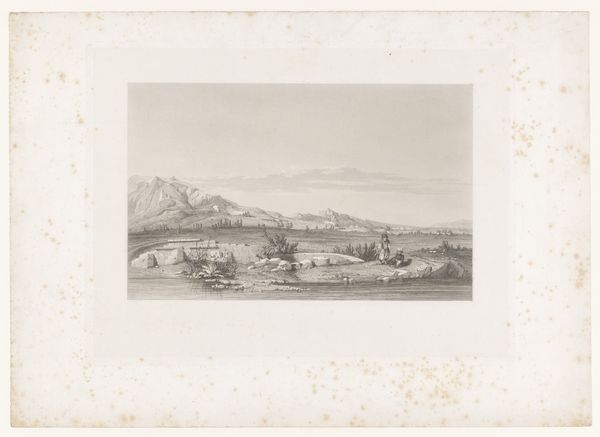
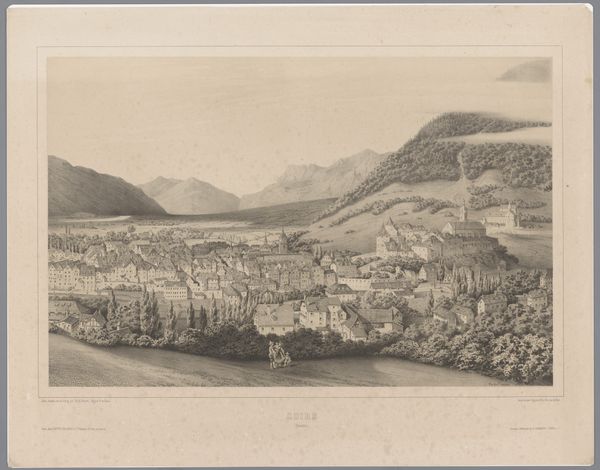
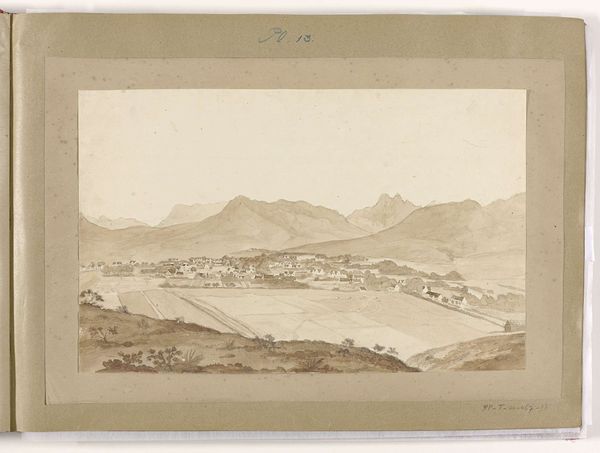
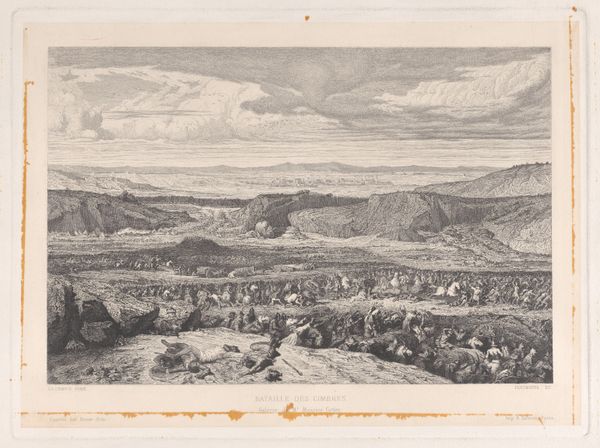
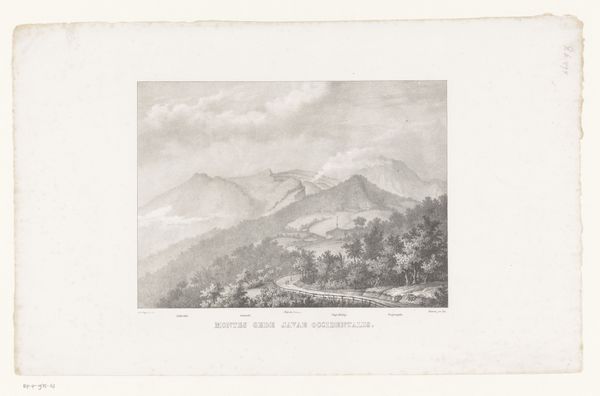
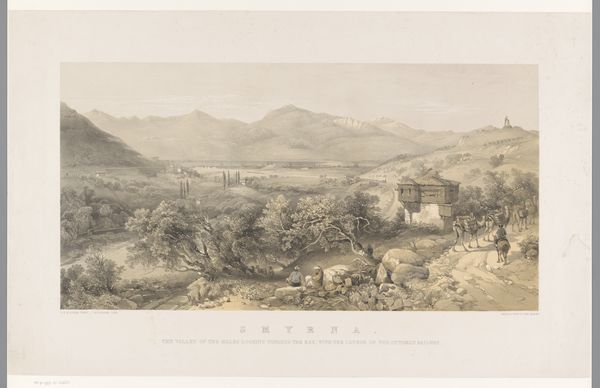
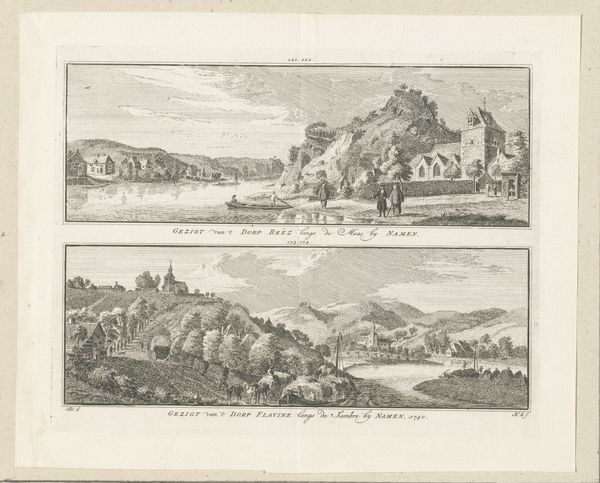
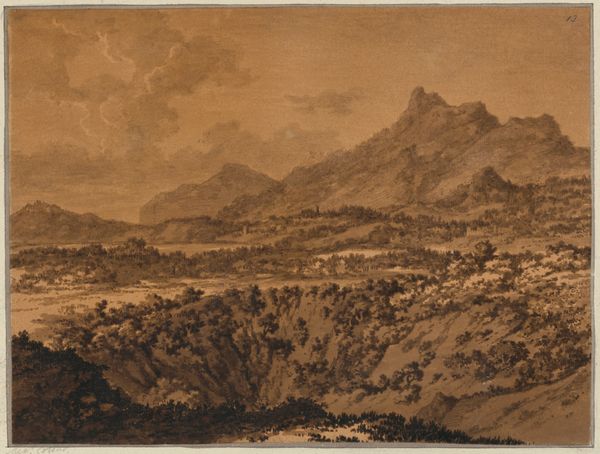
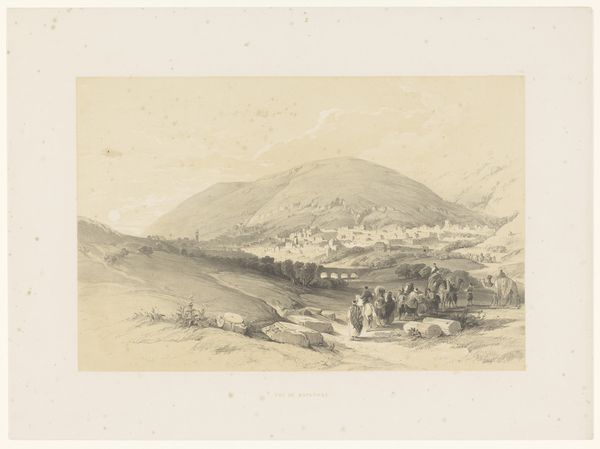
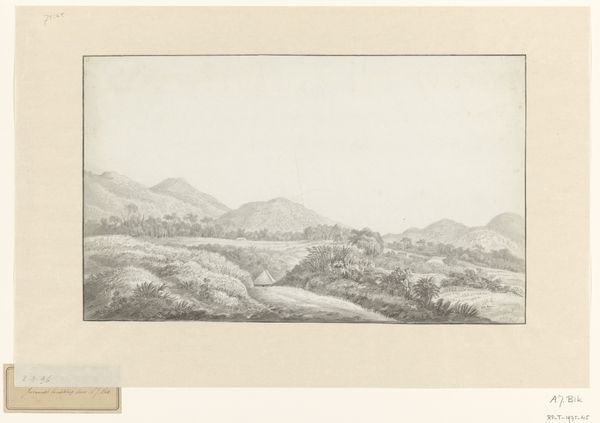
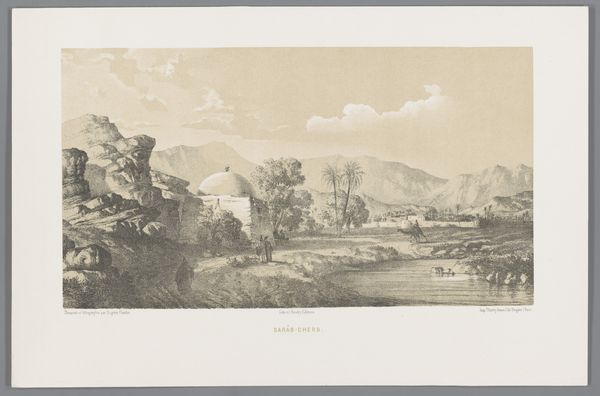
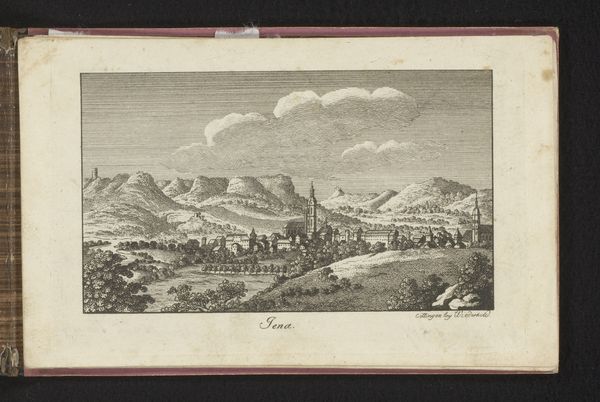
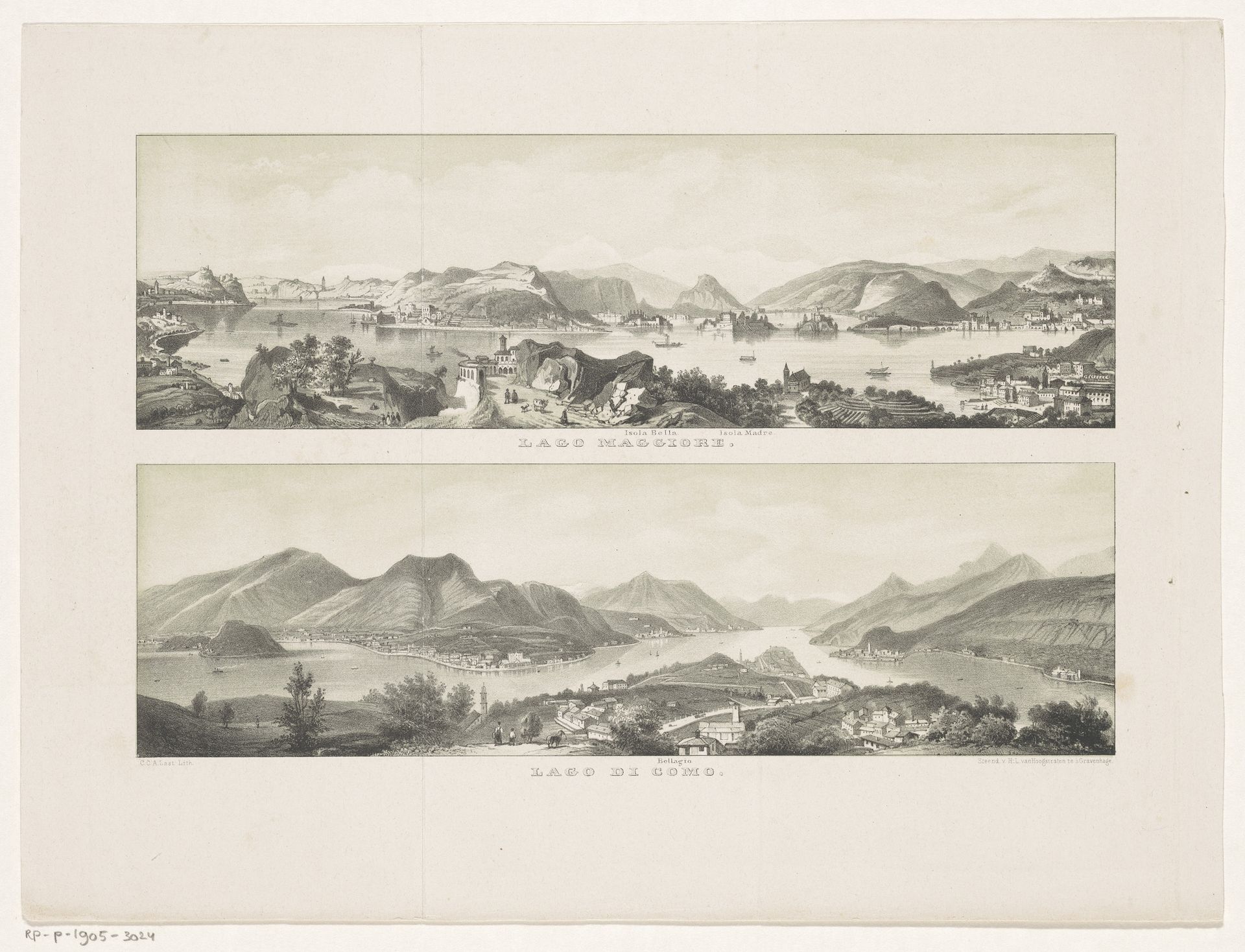
Carel Christiaan Antony Last created these prints of Lago Maggiore and Lago di Como using etching. These idyllic landscapes would have been part of a larger set, made for affluent Dutch tourists eager to explore the Italian lakes. The cultural context here is the rise of the middle class in the Netherlands, who could now afford leisure travel as part of their education and cultural awareness. The popularity of the Italian lakes as a destination speaks to the enduring power of the Grand Tour, a rite of passage for the wealthy and educated, now being enjoyed by a wider section of society. Last’s prints catered to this market, offering accessible mementos of their travels. To understand the full story behind images like these, we can consult travel guides and tourist literature from the period, along with the diaries and letters of travelers themselves, to uncover the social and institutional contexts that gave rise to them. The purpose of art is not simply to represent a scene, but also to shape how we understand our world.
Gezichten op het Lago Maggiore en het Comomeer 1854 - 1876

Carel Christiaan Antony Last
1808 - 1876Location
RijksmuseumArtwork details
- Dimensions
- height 240 mm, width 320 mm
- Location
- Rijksmuseum
- Copyright
- Rijks Museum: Open Domain
Comments
No comments
About this artwork
Carel Christiaan Antony Last created these prints of Lago Maggiore and Lago di Como using etching. These idyllic landscapes would have been part of a larger set, made for affluent Dutch tourists eager to explore the Italian lakes. The cultural context here is the rise of the middle class in the Netherlands, who could now afford leisure travel as part of their education and cultural awareness. The popularity of the Italian lakes as a destination speaks to the enduring power of the Grand Tour, a rite of passage for the wealthy and educated, now being enjoyed by a wider section of society. Last’s prints catered to this market, offering accessible mementos of their travels. To understand the full story behind images like these, we can consult travel guides and tourist literature from the period, along with the diaries and letters of travelers themselves, to uncover the social and institutional contexts that gave rise to them. The purpose of art is not simply to represent a scene, but also to shape how we understand our world.
Comments
No comments