About this artwork
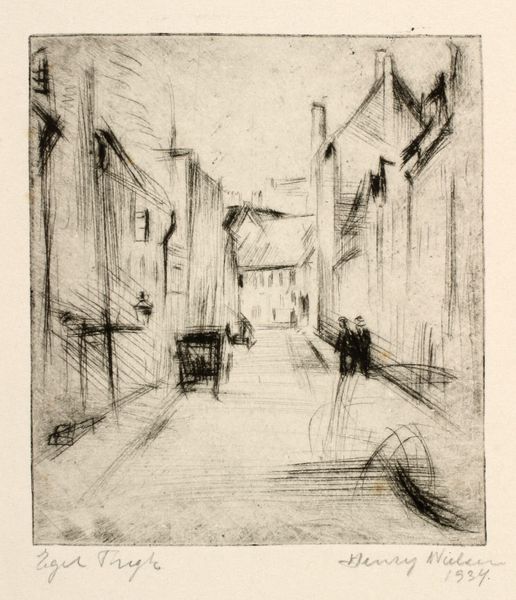
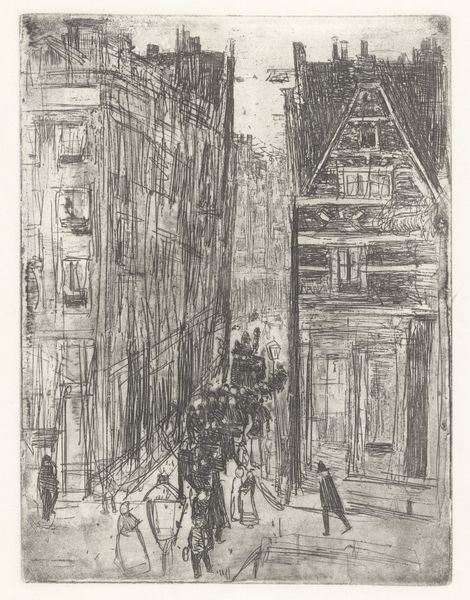
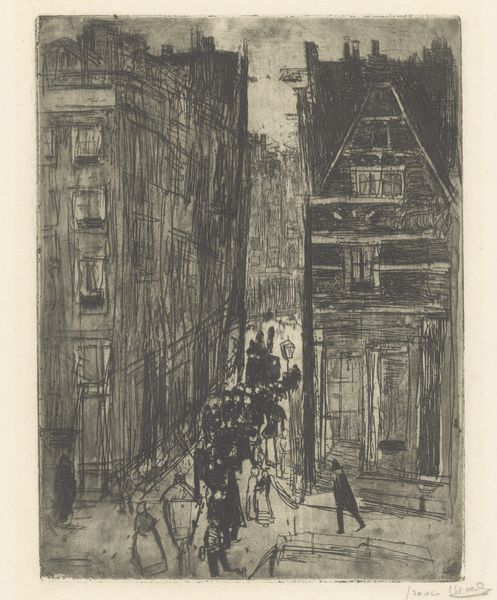
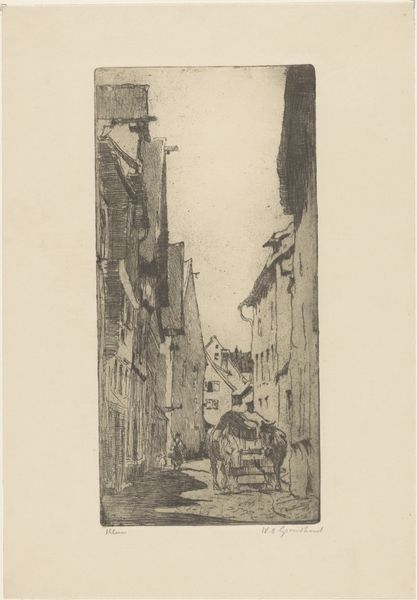
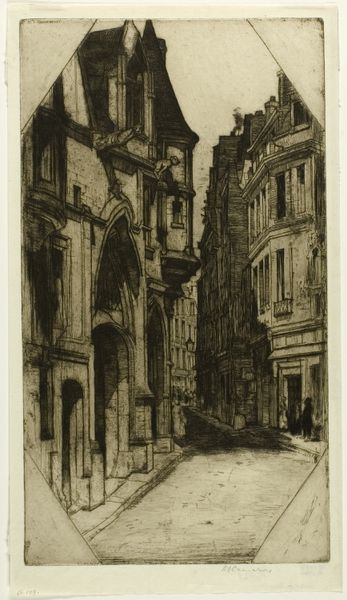
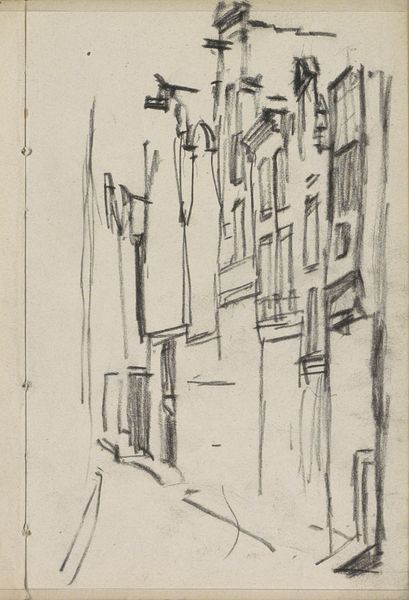
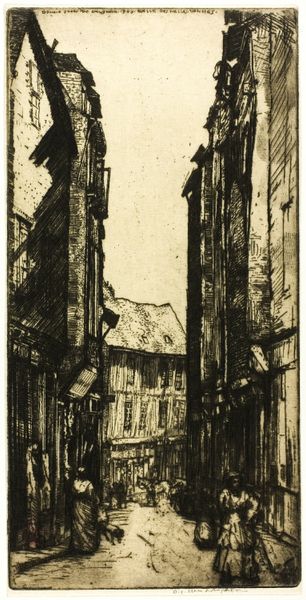
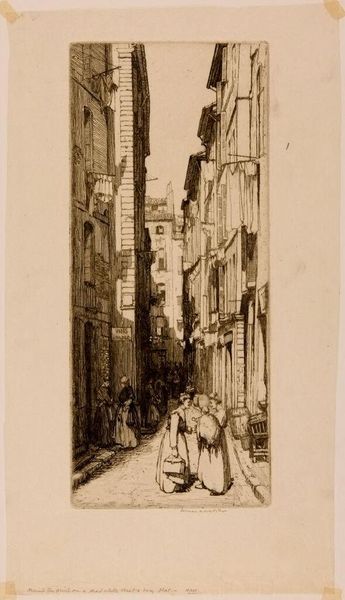
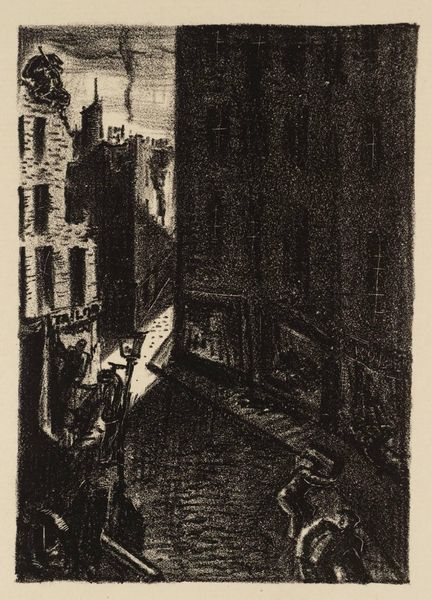
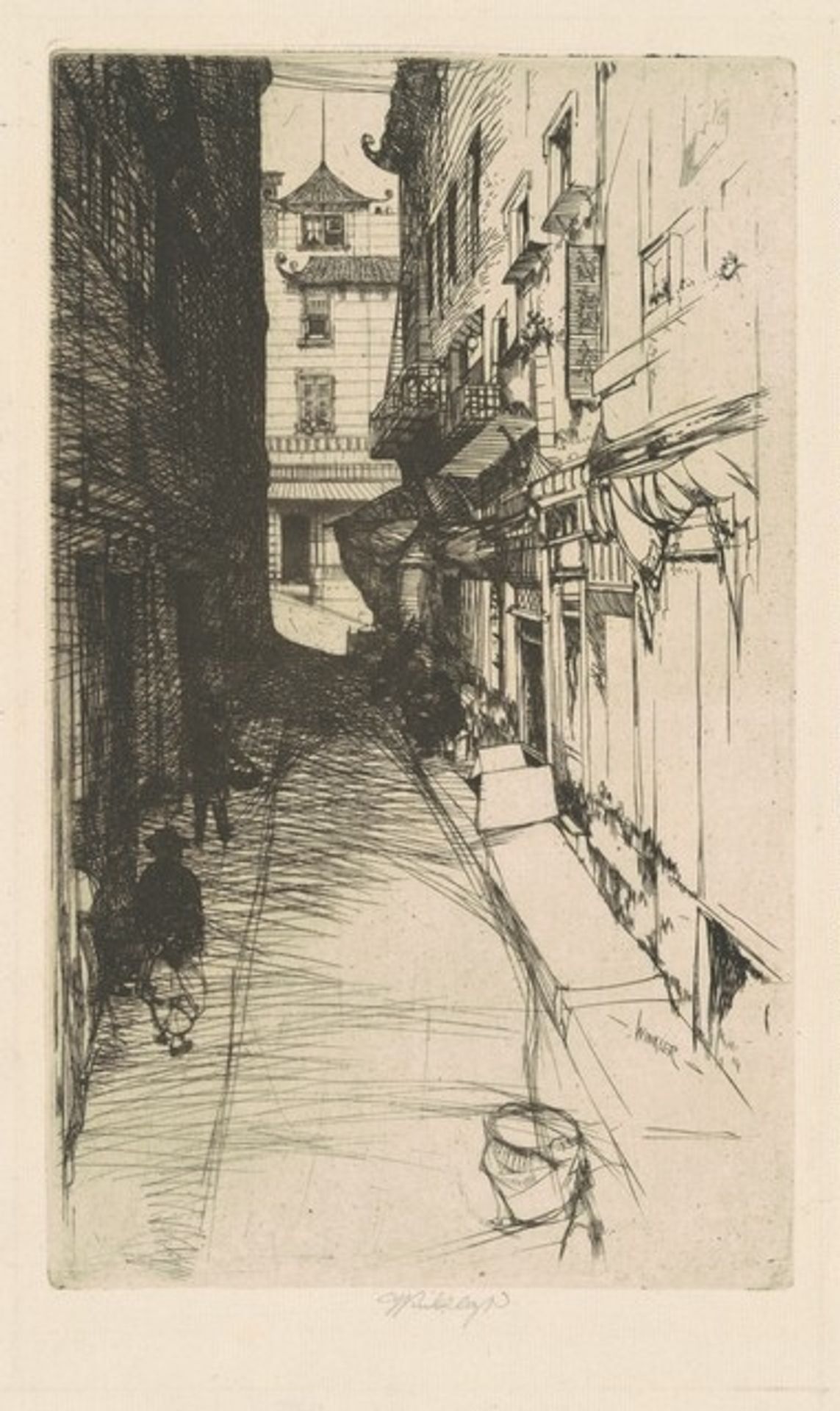
John W. Winkler made this print, 'Dark Alley,' using etching, a process of mark-making that really leans into accidents and chance. I love how the lines here feel both precise and totally off-the-cuff. Look at the way he renders depth – those long, almost scribbled lines that suggest the receding space of the alley. It’s like he’s wrestling with perspective, not quite nailing it, but somehow, that's what makes it so interesting. The roughness of the etching emphasizes the gritty feel of the alleyway. It's not a pretty picture, but it's real. There's a bucket right at the bottom of the image, rendered with just a few quick lines. It’s so simple, but it grounds the whole scene, like a little anchor in all that shifting space. It reminds me of some of James Ensor's prints, where everyday objects take on a strange, symbolic weight. Ultimately, this piece celebrates process over product, inviting us to find beauty in the imperfect and the unresolved.


Artwork details
- Medium
- print, etching
- Dimensions
- plate: 21.75 × 13.18 cm (8 9/16 × 5 3/16 in.) sheet: 30.96 × 20.96 cm (12 3/16 × 8 1/4 in.)
- Copyright
- National Gallery of Art: CC0 1.0
Tags
etching
etching
line
cityscape
genre-painting
Comments
No comments
About this artwork
John W. Winkler made this print, 'Dark Alley,' using etching, a process of mark-making that really leans into accidents and chance. I love how the lines here feel both precise and totally off-the-cuff. Look at the way he renders depth – those long, almost scribbled lines that suggest the receding space of the alley. It’s like he’s wrestling with perspective, not quite nailing it, but somehow, that's what makes it so interesting. The roughness of the etching emphasizes the gritty feel of the alleyway. It's not a pretty picture, but it's real. There's a bucket right at the bottom of the image, rendered with just a few quick lines. It’s so simple, but it grounds the whole scene, like a little anchor in all that shifting space. It reminds me of some of James Ensor's prints, where everyday objects take on a strange, symbolic weight. Ultimately, this piece celebrates process over product, inviting us to find beauty in the imperfect and the unresolved.
Comments
No comments