About this artwork
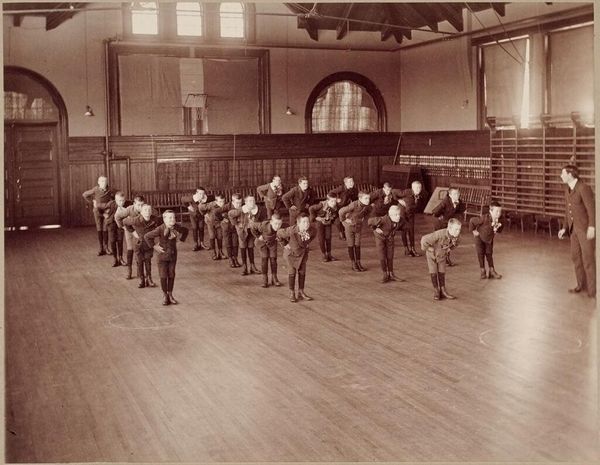
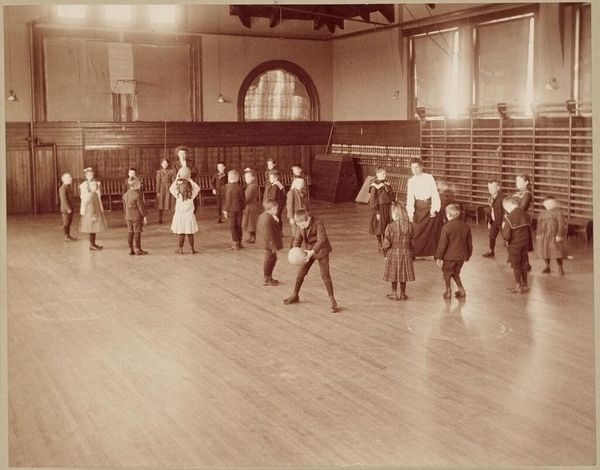
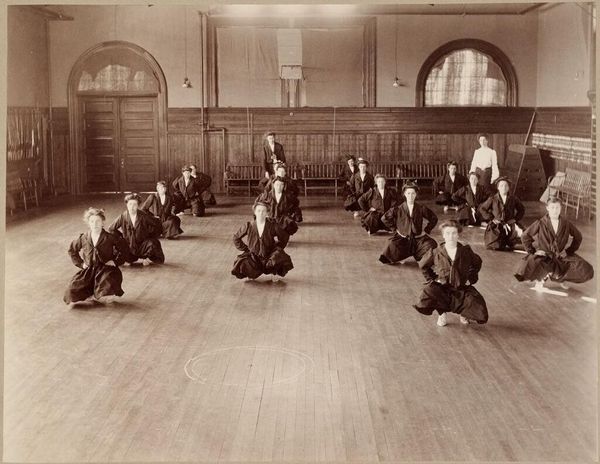
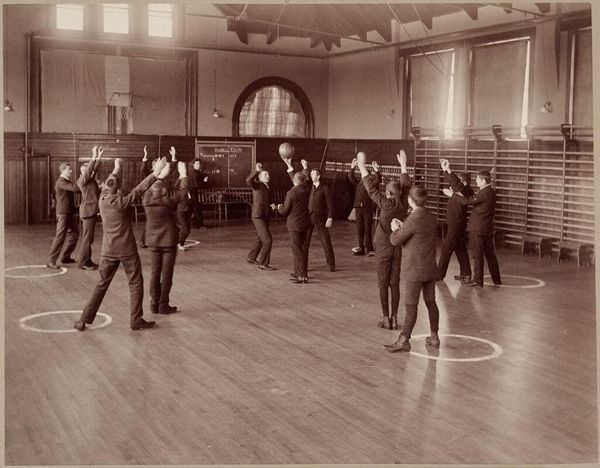
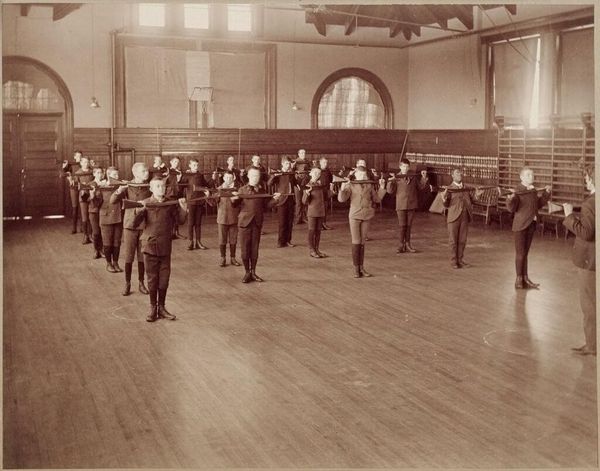
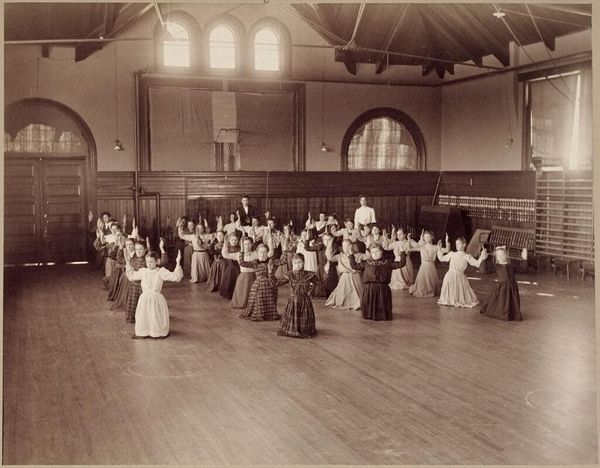
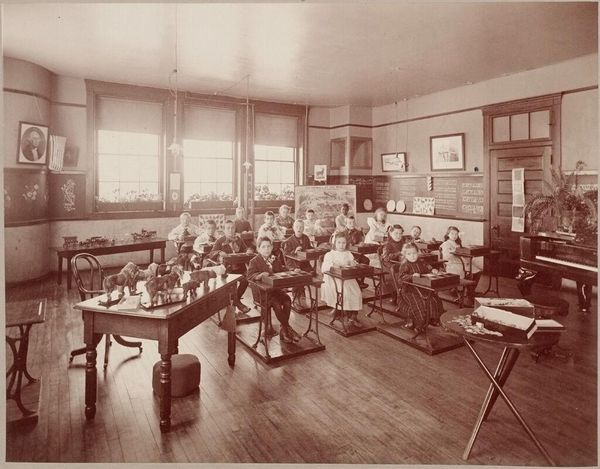
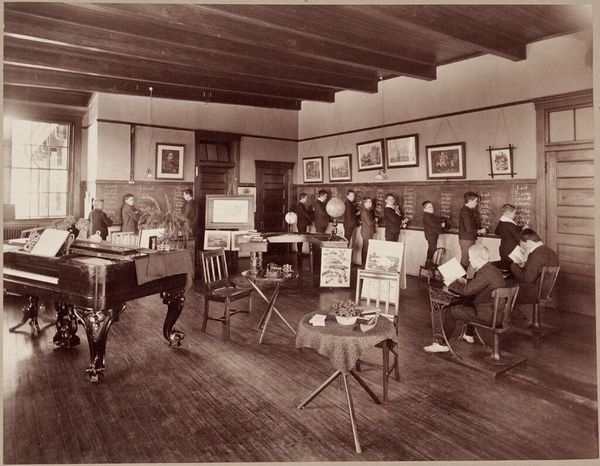
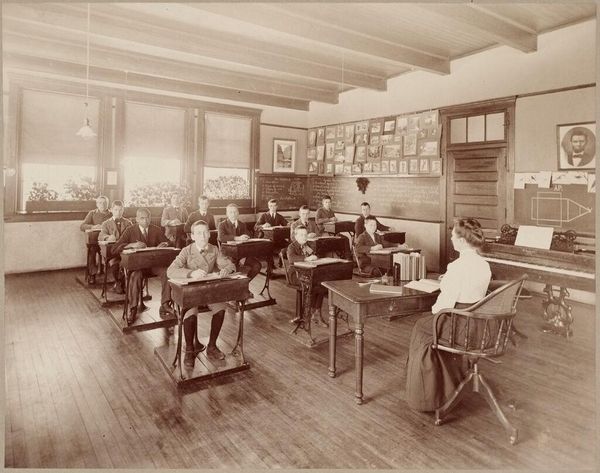
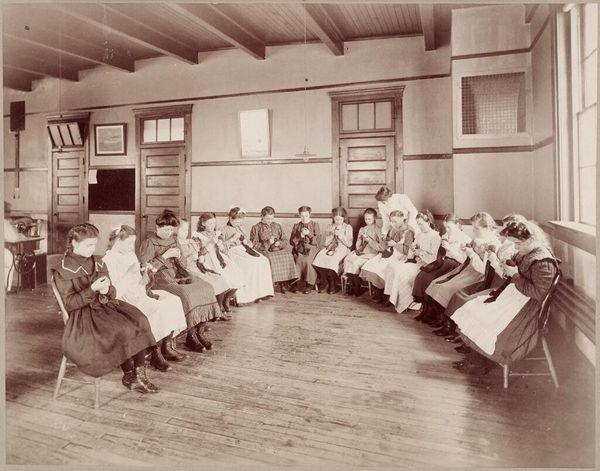
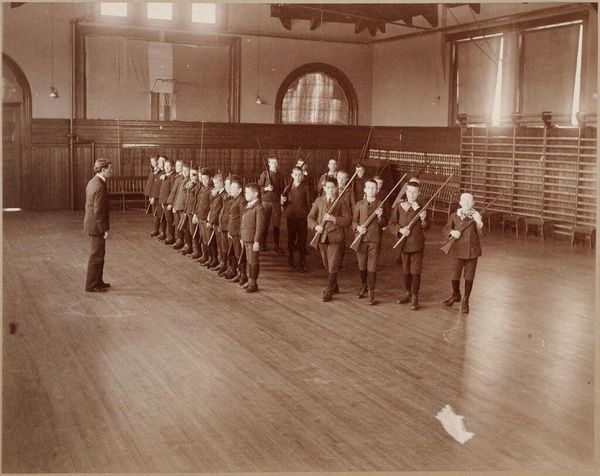
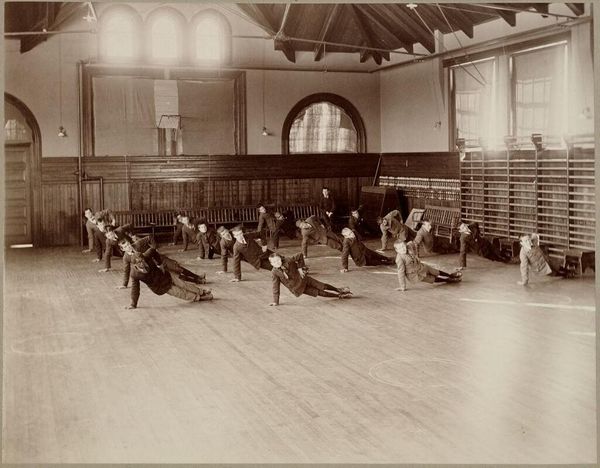
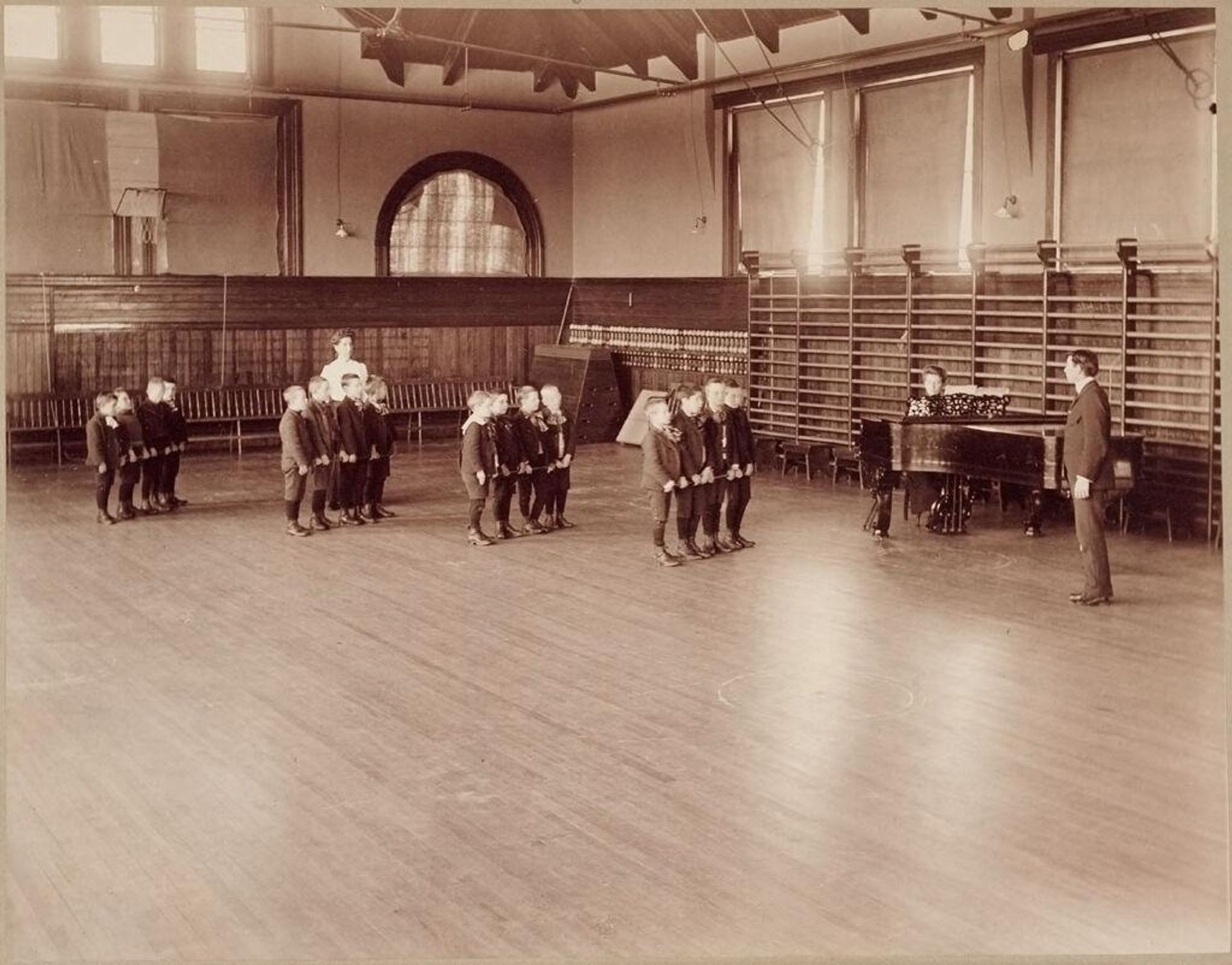
Editor: This photograph, by William Webster, is titled "Defectives, Feeble-minded: United States. Massachusetts. Waverly. School for Feeble-minded." The long title is unsettling. What does this image reveal about the social context of the time? Curator: It's a stark image, isn't it? Consider how institutions like the Massachusetts School for the Feeble-Minded played a role in defining and segregating individuals deemed "defective." Editor: So the photo is not just a neutral document but a reflection of institutional power? Curator: Precisely. The image reveals the institutional gaze, framing these children within a specific narrative of disability and difference that was prevalent and politically motivated. What do you think the purpose of the photograph itself was? Editor: Maybe to document the school’s methods? It’s disturbing to think about how these images could be used to perpetuate harmful stereotypes. Curator: Exactly, we should continue to question the power structures that shaped the production and circulation of such images.
Defectives, Feeble-minded: United States. Massachusetts. Waverly. School for Feeble-minded: Massachusetts School for the Feeble-Minded.: Primary Methods in Marching, 2nd
c. 1903

Artwork details
- Dimensions
- image: 19.2 x 24.7 cm (7.56 x 9.72 in)
- Location
- Harvard Art Museums
- Copyright
- CC0 1.0
Comments
Share your thoughts
About this artwork
Editor: This photograph, by William Webster, is titled "Defectives, Feeble-minded: United States. Massachusetts. Waverly. School for Feeble-minded." The long title is unsettling. What does this image reveal about the social context of the time? Curator: It's a stark image, isn't it? Consider how institutions like the Massachusetts School for the Feeble-Minded played a role in defining and segregating individuals deemed "defective." Editor: So the photo is not just a neutral document but a reflection of institutional power? Curator: Precisely. The image reveals the institutional gaze, framing these children within a specific narrative of disability and difference that was prevalent and politically motivated. What do you think the purpose of the photograph itself was? Editor: Maybe to document the school’s methods? It’s disturbing to think about how these images could be used to perpetuate harmful stereotypes. Curator: Exactly, we should continue to question the power structures that shaped the production and circulation of such images.
Comments
Share your thoughts