About this artwork
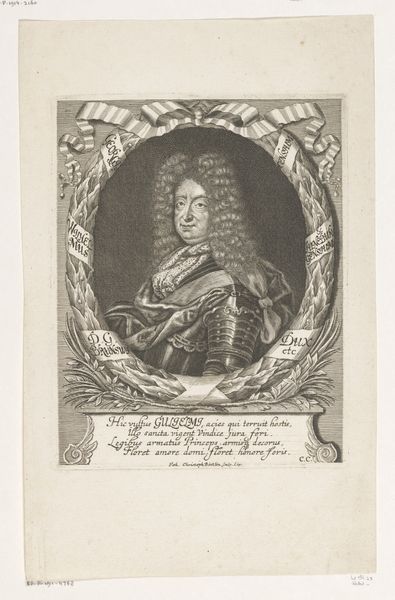
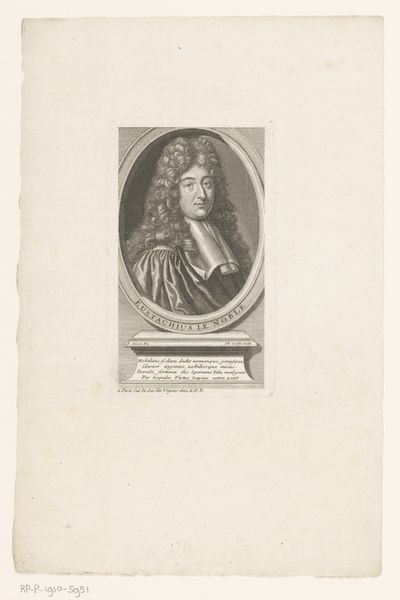
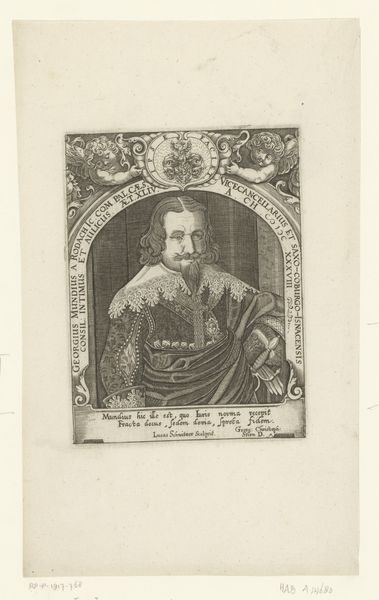
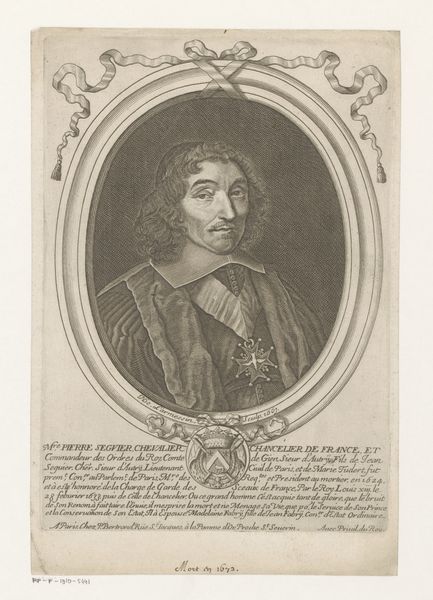
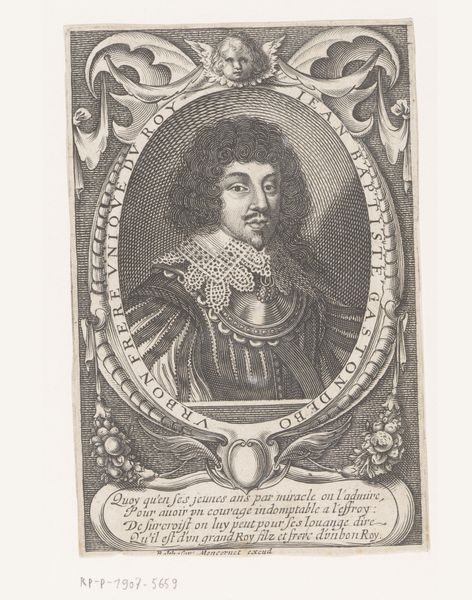
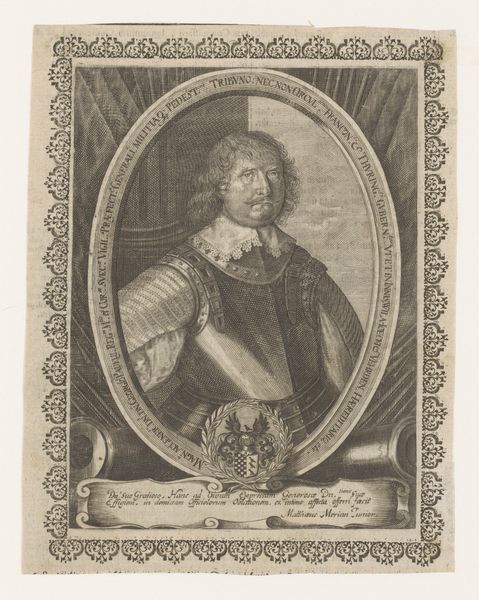
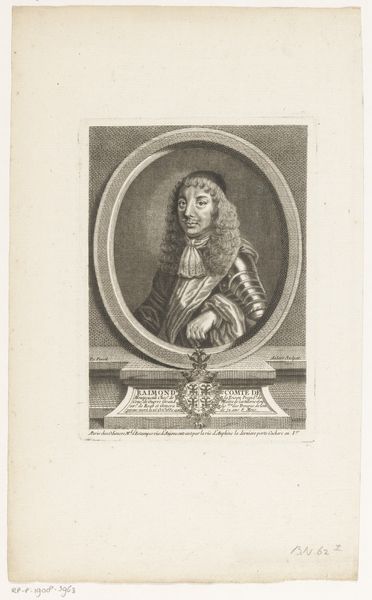
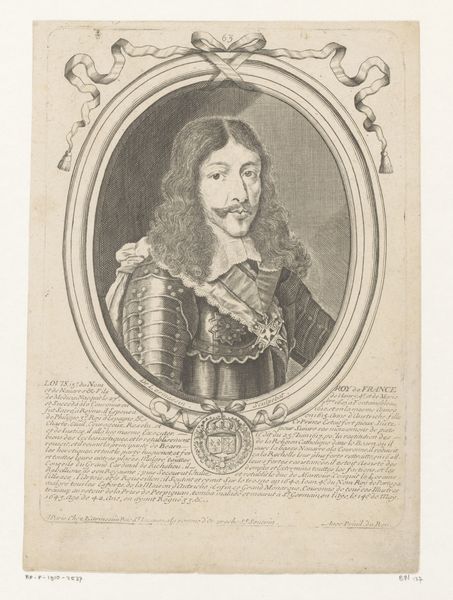
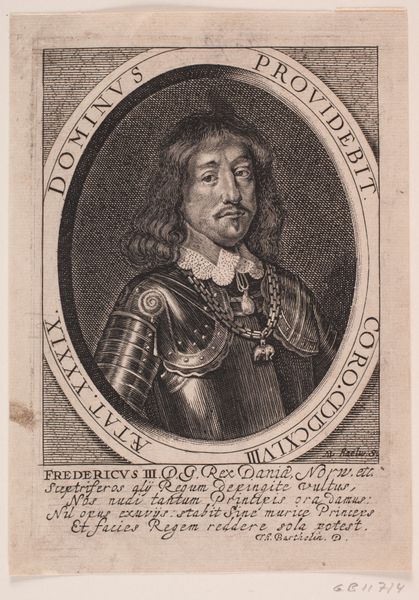
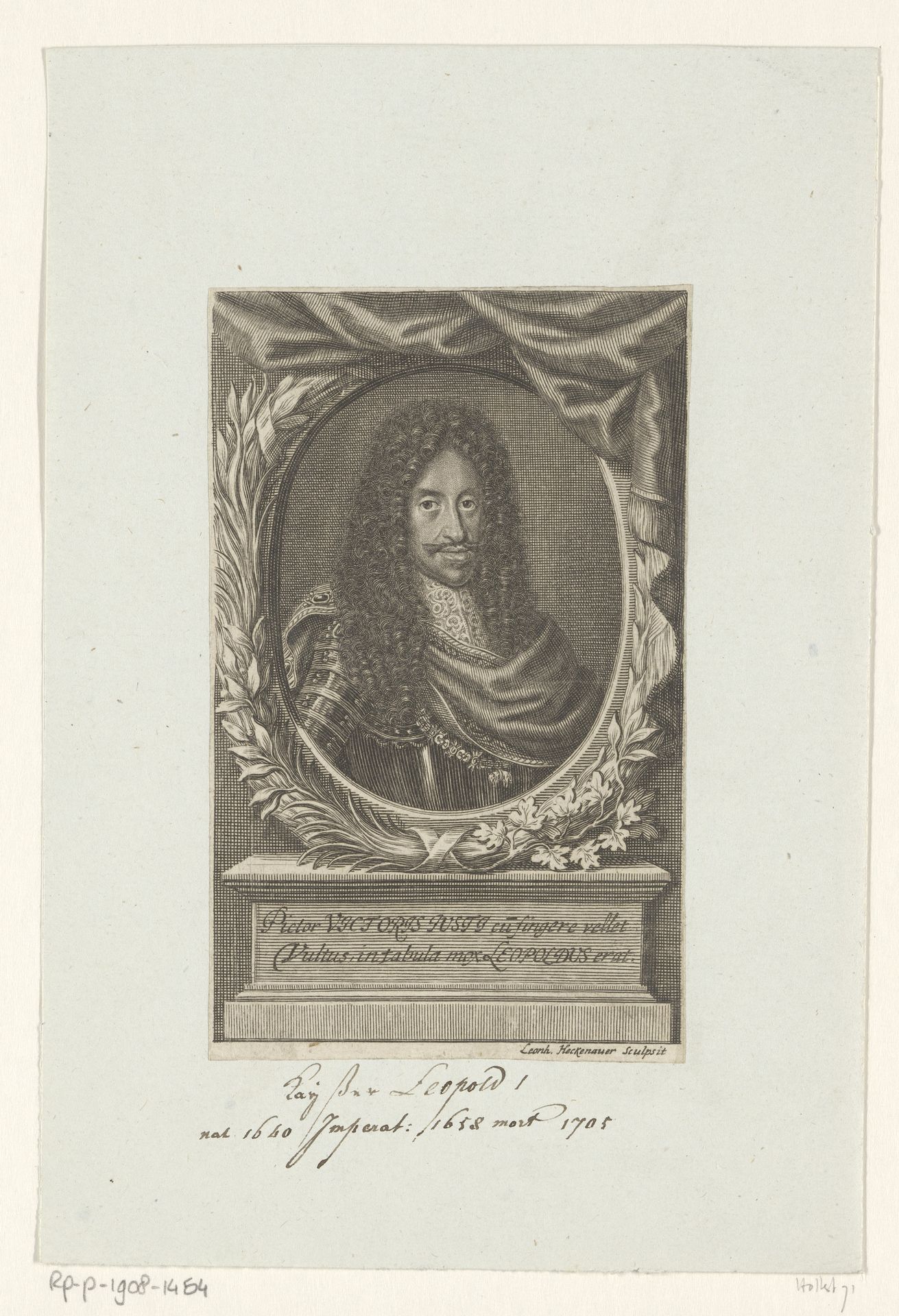
This is a print of Leopold I, Holy Roman Emperor, made by Leonhard Heckenauer in the late 17th or early 18th century. It depicts the emperor within an oval frame, adorned with laurel leaves and drapery, symbols of victory and status. Below, an inscription reinforces his virtuous image. During Leopold's reign, the Habsburg dynasty sought to consolidate power and maintain its image through strategic use of visual media. Portraiture served as a powerful tool to project authority and legitimize rule, circulating images of the Emperor throughout his vast territories. Prints like this would have been crucial for disseminating the image of the Emperor to a wider audience. As art historians, our understanding of such images is always contingent on broader research. Genealogical records, collections inventories and published engravings can reveal the complex networks through which art and power circulated at this time.
Portret van Leopold I, keizer van Duitsland
1660 - 1704

Leonhard Heckenauer
1650 - 1704Location
RijksmuseumArtwork details
- Medium
- print, engraving
- Dimensions
- height 134 mm, width 82 mm
- Location
- Rijksmuseum
- Copyright
- Rijks Museum: Open Domain
Tags
Comments
Share your thoughts
About this artwork
This is a print of Leopold I, Holy Roman Emperor, made by Leonhard Heckenauer in the late 17th or early 18th century. It depicts the emperor within an oval frame, adorned with laurel leaves and drapery, symbols of victory and status. Below, an inscription reinforces his virtuous image. During Leopold's reign, the Habsburg dynasty sought to consolidate power and maintain its image through strategic use of visual media. Portraiture served as a powerful tool to project authority and legitimize rule, circulating images of the Emperor throughout his vast territories. Prints like this would have been crucial for disseminating the image of the Emperor to a wider audience. As art historians, our understanding of such images is always contingent on broader research. Genealogical records, collections inventories and published engravings can reveal the complex networks through which art and power circulated at this time.
Comments
Share your thoughts