Possibly 1809 - 1829
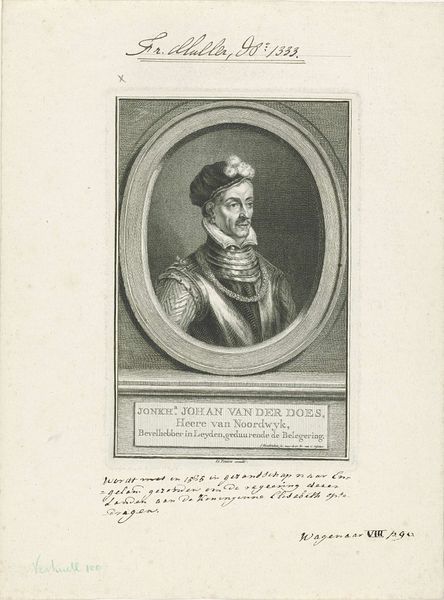
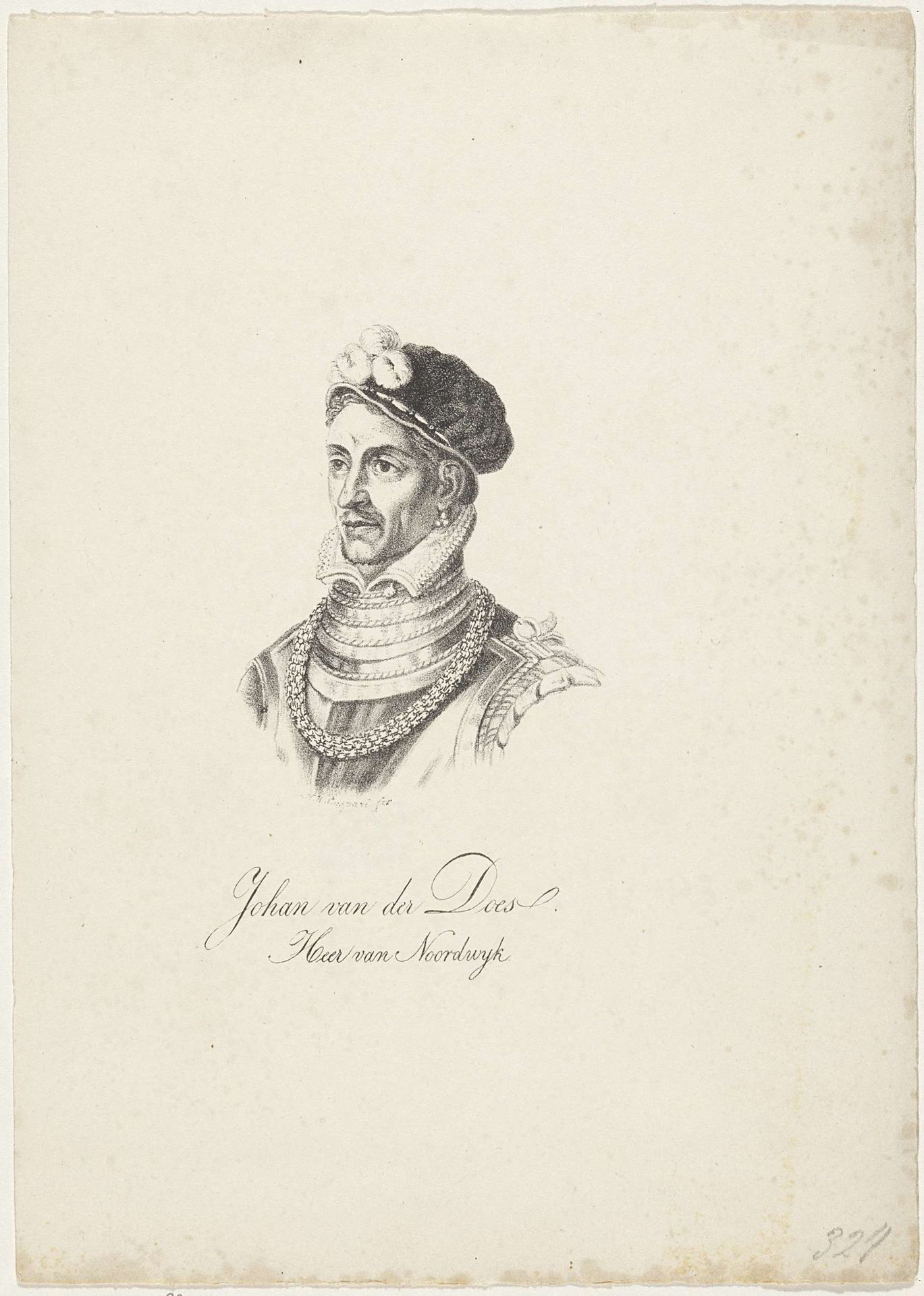
Portret van Johan van der Does

Hendrik Willem Caspari
1770 - 1829Location
RijksmuseumListen to curator's interpretation
Curatorial notes
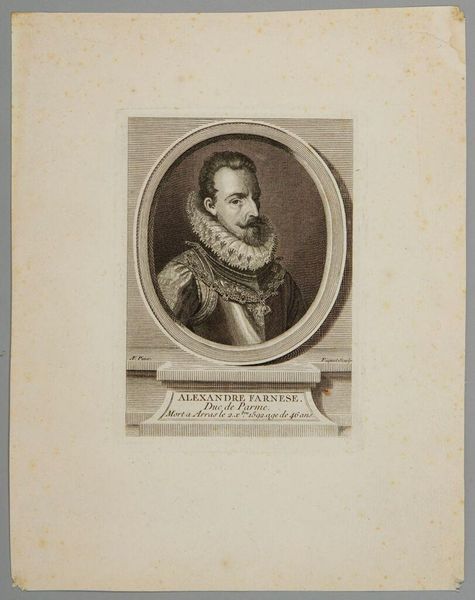
Editor: This is a portrait of Johan van der Does, possibly created between 1809 and 1829 by Hendrik Willem Caspari, using pencil. It feels incredibly precise, almost photographic in its detail, especially considering it's a pencil drawing. How do you interpret this work, thinking about its historical and social context? Curator: It's interesting you note the photographic quality. This speaks to the broader shift in the early 19th century where portraiture, traditionally a domain of the wealthy elite, began to democratize. Consider the rise of the middle class and their desire for representation. Do you see any markers of class in the portrayal of Johan van der Does himself? Editor: Well, his clothing looks quite elaborate—the ruff, the armor, and the ornate hat definitely suggest a man of some standing. Curator: Precisely! This image exists within a culture of status display, but done with pencil, making it slightly less imposing, no? The institutional framing is equally interesting. It now resides in the Rijksmuseum. What do you think that placement says about the Netherlands' view of itself and its heroes? Editor: That's a great question. Housing this portrait within a national museum elevates Johan van der Does from an individual to a symbol of Dutch history, maybe patriotism? Curator: Indeed. It speaks to how national identity is constructed and reinforced through institutions like museums. The romanticized yet realistic style further amplifies that heroic narrative. Did the image reinforce your pre-existing knowledge about the portrayed individual? Editor: I wasn't familiar with him beforehand. Looking at it now, I wonder about the specific political and social issues of the period, that someone like him would embody. Curator: Exactly, this single image becomes a lens through which we can examine larger historical narratives about Dutch identity, class, and power. It prompts so many questions. Editor: This conversation's changed how I'll view art in museums, realizing each piece is steeped in the history of both its creation and its ongoing public life. Curator: It’s that very layering of meanings and contexts that makes studying art history so enriching!