About this artwork
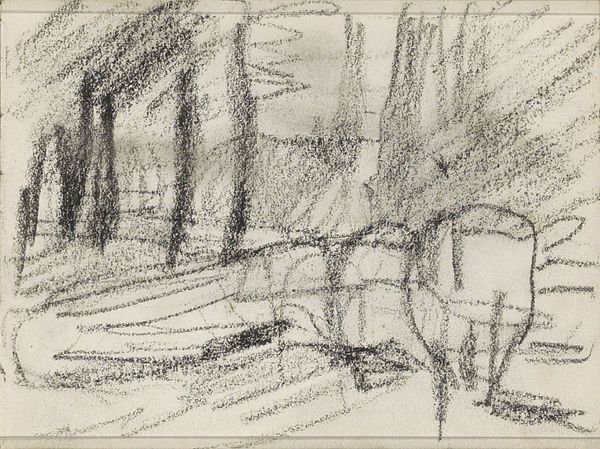
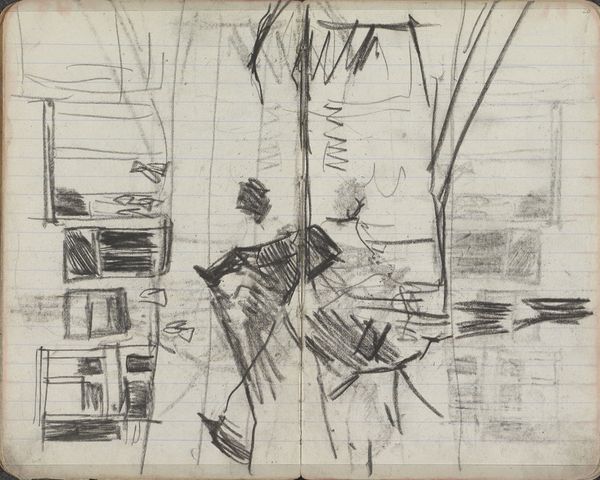
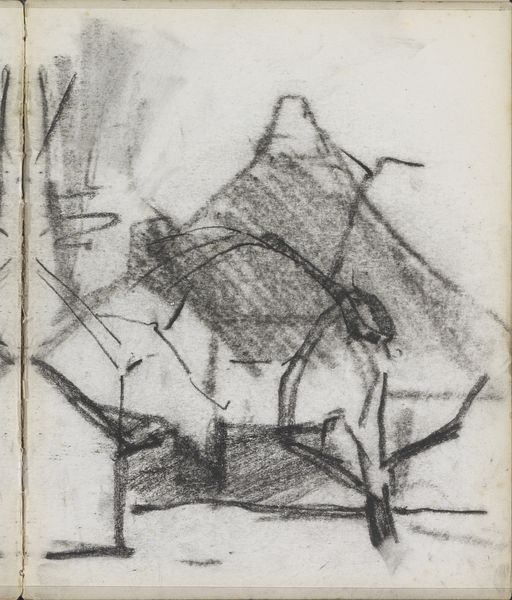
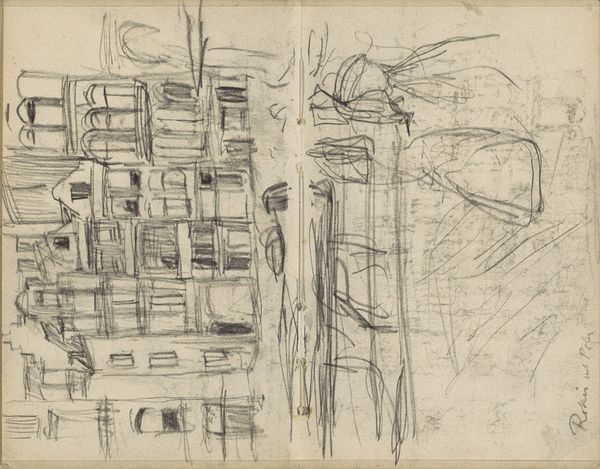
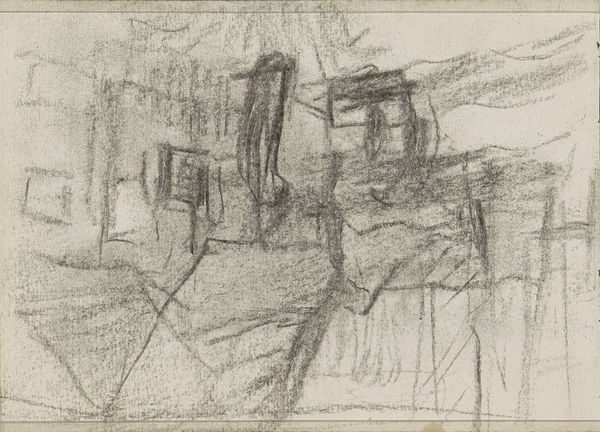
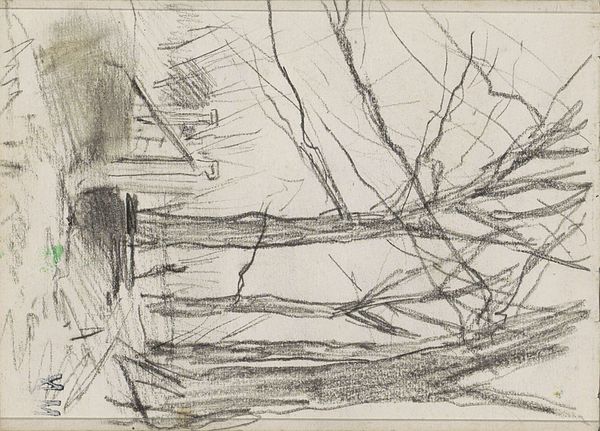
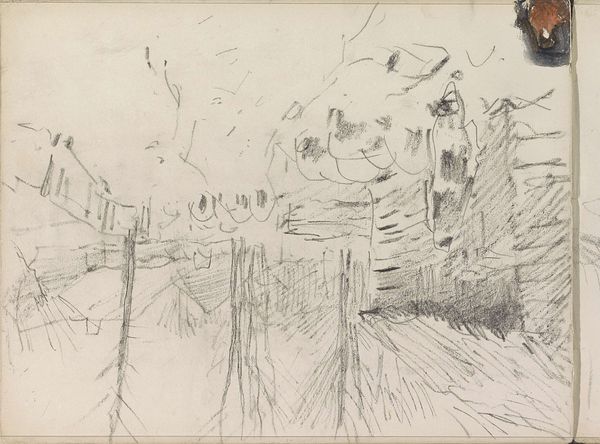
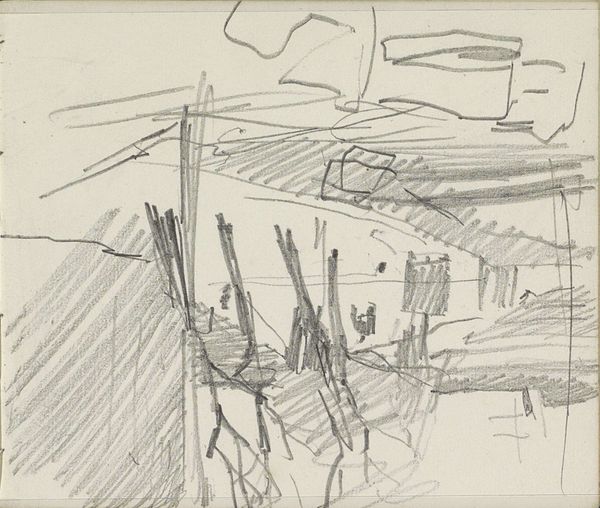
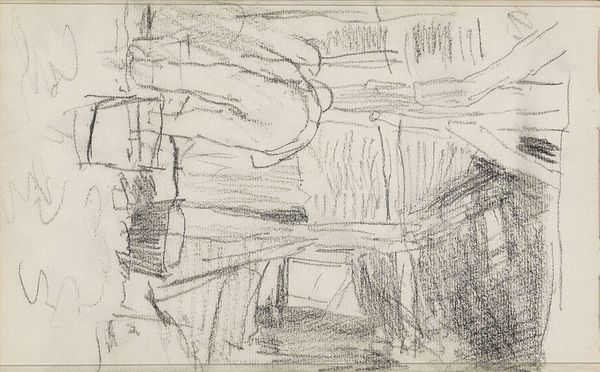
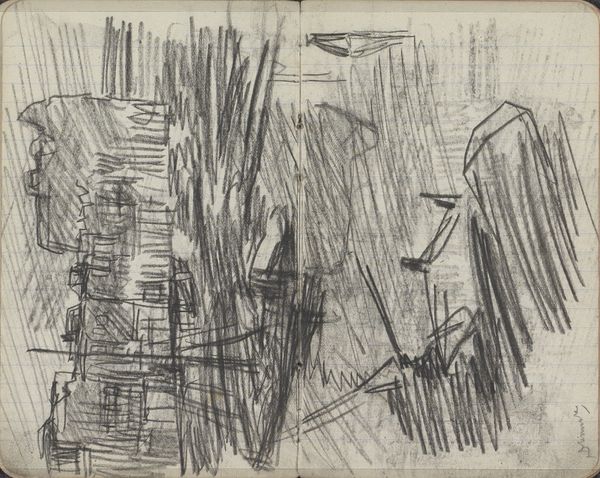
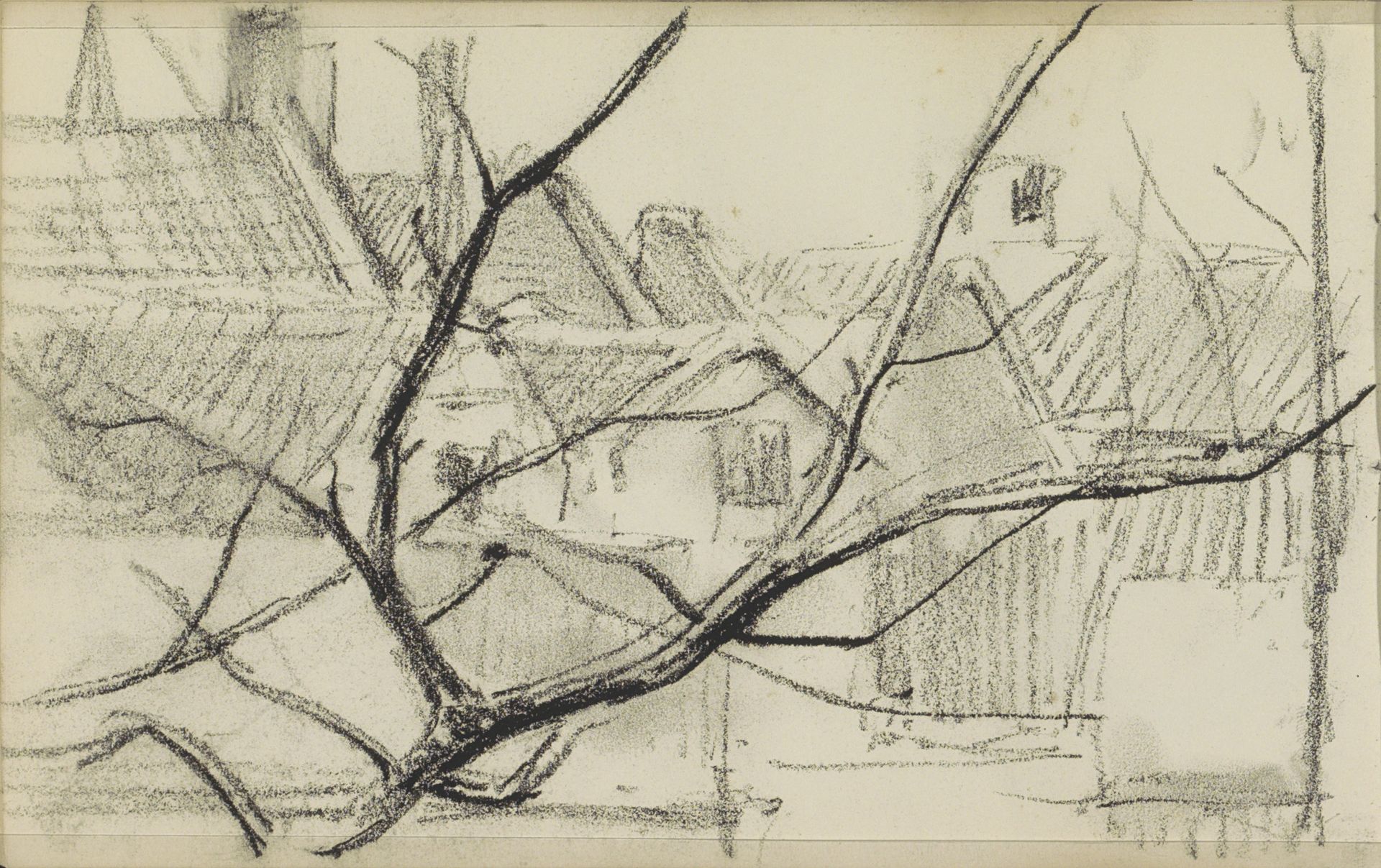
Bramine Hubrecht made this drawing of rooftops and bare branches with a crayon. This artist, who lived from 1855 to 1913, was working at a time when art institutions were gradually opening their doors to women, who had previously been excluded from formal artistic training and exhibition opportunities. Made in the Netherlands, it perhaps suggests the artist's own position as an outsider looking in. The view is framed by the stark, leafless branches of a tree, creating a sense of distance. We see the rooftops and windows of buildings, but not the people who live within. What does it mean to look at domesticity and private life from afar? The artist seems to be reflecting on the traditional separation of spheres, between a woman's place inside the home, and the world outside. To understand the artistic choices made in this work, we can consult archival records, exhibition reviews, and biographical sources. By considering the social context, we can better appreciate how the work operates as both a personal statement and a commentary on the artist's place in society.
Gezicht op de daken van een straat door de kale takken van een boom
1892 - 1913

Bramine Hubrecht
1855 - 1913Location
RijksmuseumArtwork details
- Location
- Rijksmuseum
- Copyright
- Rijks Museum: Open Domain
Comments
Be the first to share your thoughts about this work.
About this artwork
Bramine Hubrecht made this drawing of rooftops and bare branches with a crayon. This artist, who lived from 1855 to 1913, was working at a time when art institutions were gradually opening their doors to women, who had previously been excluded from formal artistic training and exhibition opportunities. Made in the Netherlands, it perhaps suggests the artist's own position as an outsider looking in. The view is framed by the stark, leafless branches of a tree, creating a sense of distance. We see the rooftops and windows of buildings, but not the people who live within. What does it mean to look at domesticity and private life from afar? The artist seems to be reflecting on the traditional separation of spheres, between a woman's place inside the home, and the world outside. To understand the artistic choices made in this work, we can consult archival records, exhibition reviews, and biographical sources. By considering the social context, we can better appreciate how the work operates as both a personal statement and a commentary on the artist's place in society.
Comments
Be the first to share your thoughts about this work.