About this artwork
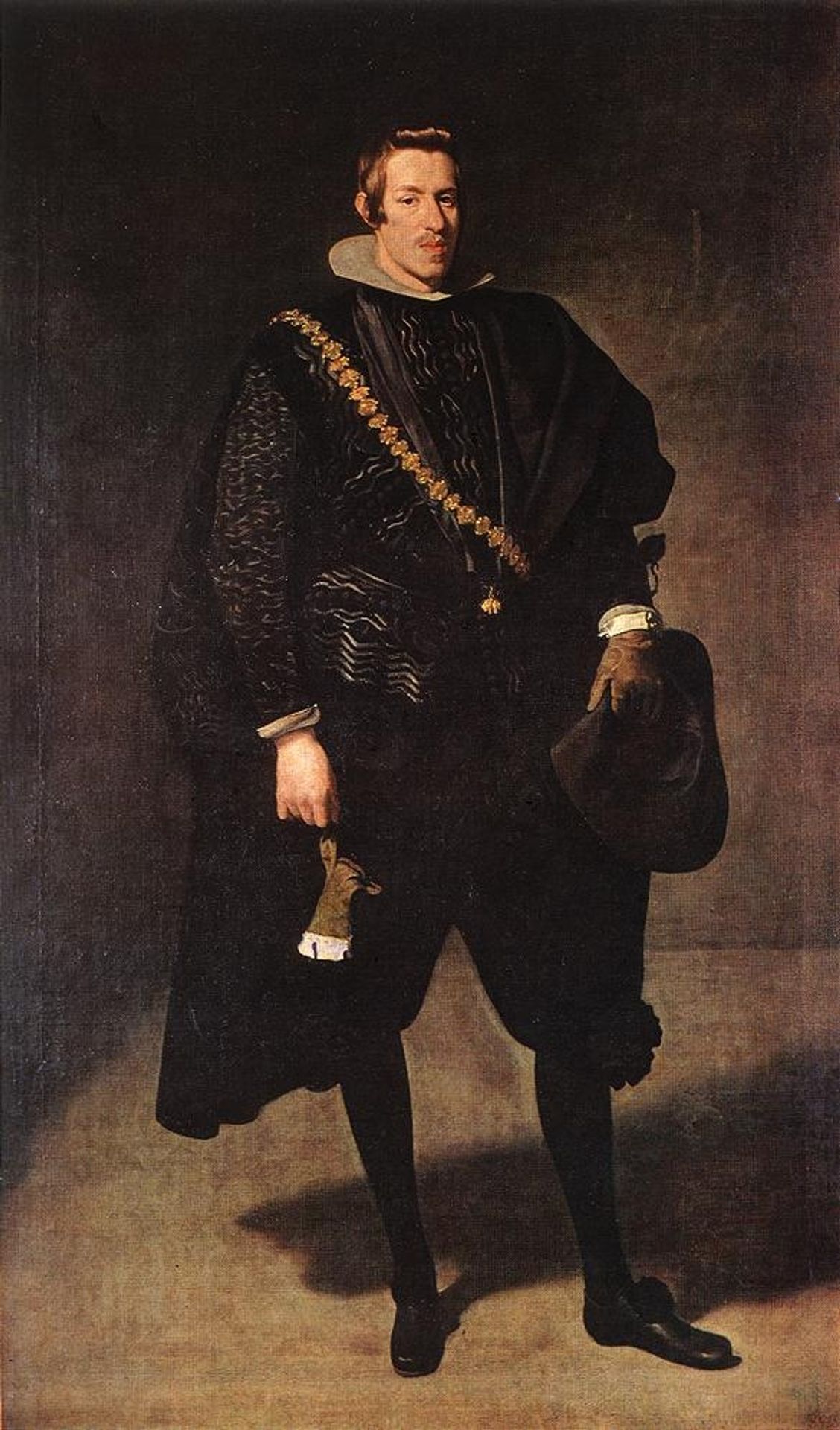
Diego Velázquez painted this full-length portrait of Infante Don Carlos in oil on canvas, though the date of its creation is unknown. It's a striking depiction of power and lineage, typical of Spanish court portraiture. The somber color palette and formal pose emphasize the status of the Infante within the rigid social hierarchy of 17th-century Spain. The attire, the golden chain, and even the way he holds his gloves, all communicate his noble rank. Velázquez, as the court painter, was instrumental in crafting these visual codes that reinforced the authority of the monarchy. This was at a time when the Spanish empire was in decline, and such imagery served to project an image of stability. To fully appreciate this work, we can research the customs of the Spanish court, the role of the artist within that structure, and the broader political context. The power of art lies in understanding its relationship to its social and institutional moment.
Portrait of Infante Don Carlos
1627

Diego Velázquez
1599 - 1660Location
Museo del Prado, Madrid, SpainArtwork details
- Medium
- painting, oil-paint
- Dimensions
- 209 x 125 cm
- Location
- Museo del Prado, Madrid, Spain
- Copyright
- Public domain
Tags
Comments
Share your thoughts
About this artwork
Diego Velázquez painted this full-length portrait of Infante Don Carlos in oil on canvas, though the date of its creation is unknown. It's a striking depiction of power and lineage, typical of Spanish court portraiture. The somber color palette and formal pose emphasize the status of the Infante within the rigid social hierarchy of 17th-century Spain. The attire, the golden chain, and even the way he holds his gloves, all communicate his noble rank. Velázquez, as the court painter, was instrumental in crafting these visual codes that reinforced the authority of the monarchy. This was at a time when the Spanish empire was in decline, and such imagery served to project an image of stability. To fully appreciate this work, we can research the customs of the Spanish court, the role of the artist within that structure, and the broader political context. The power of art lies in understanding its relationship to its social and institutional moment.
Comments
Share your thoughts