1896
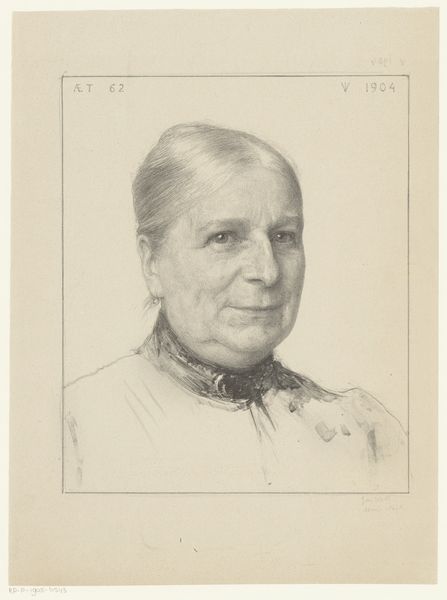
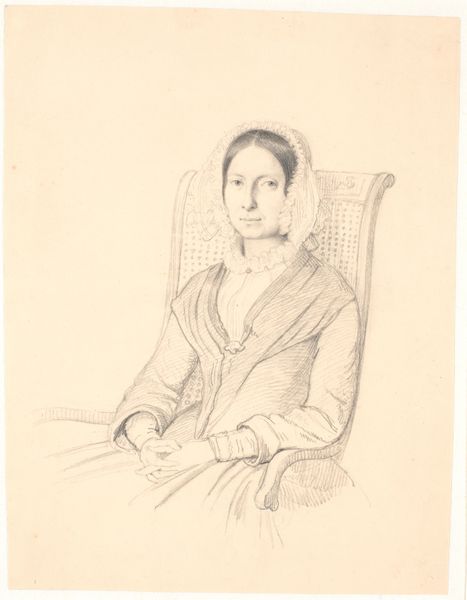
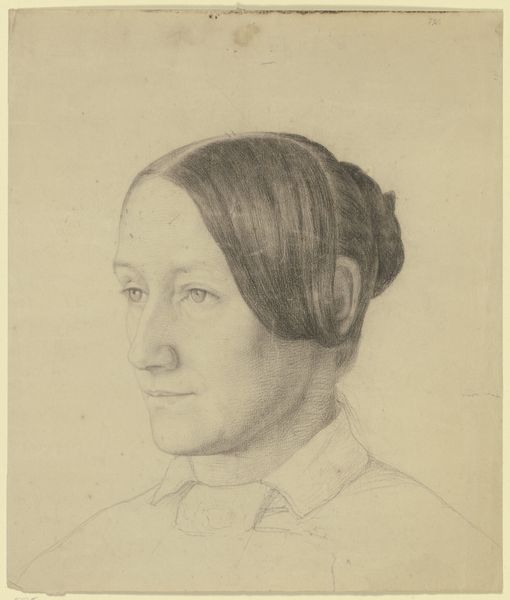
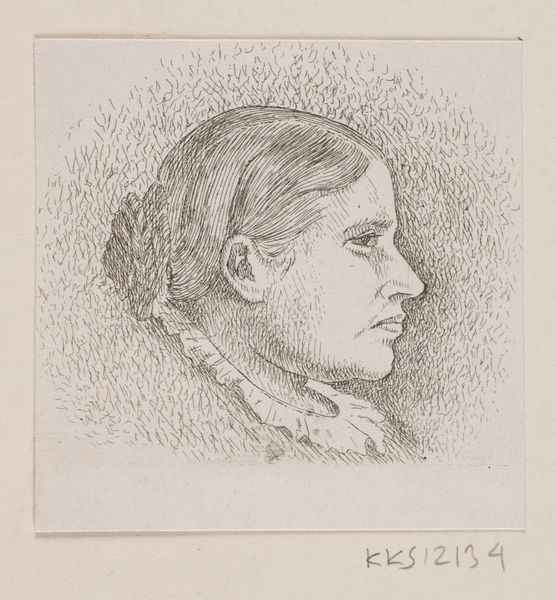
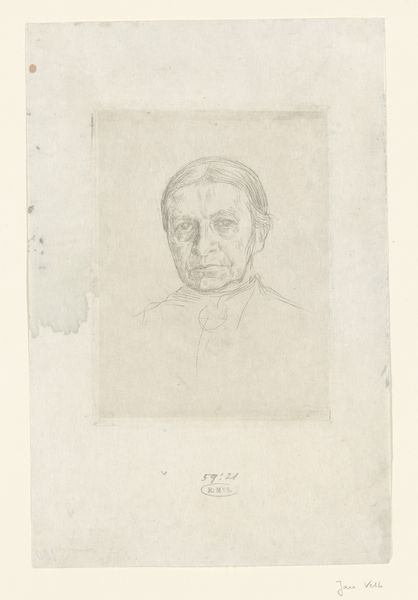
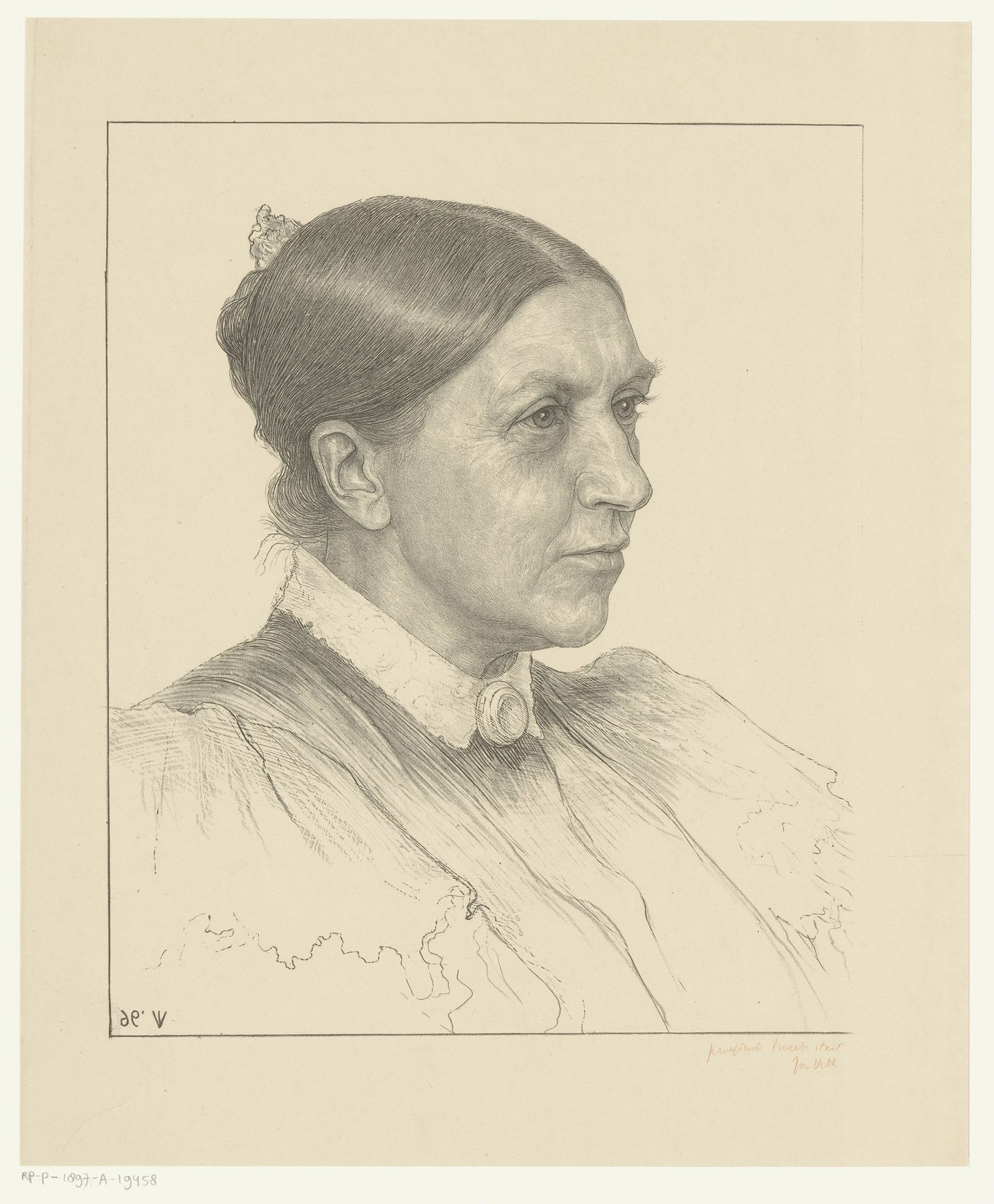
Portret van Jeltje de Bosch Kemper

Jan Veth
1864 - 1925Location
RijksmuseumListen to curator's interpretation
Curatorial notes
Editor: This is Jan Veth’s "Portrait of Jeltje de Bosch Kemper," created in 1896 using pencil. It feels incredibly precise, almost photographic. What do you notice about this work? Curator: The relentless detail speaks volumes. The graphite, a material often overlooked, here becomes a tool of almost surgical precision. Consider the social context: the late 19th century was a period of industrial boom. Do you think the artist consciously used graphite, the 'lead' of pencils mass-produced in factories, to portray a bourgeois woman like Jeltje de Bosch Kemper? It’s almost a commentary on the emerging industrialization creeping into the traditional realms of portraiture. Editor: That’s fascinating. I hadn't considered the implications of using pencil in that era. Was there a shift in how portraits were consumed as a result? Curator: Certainly. Think of the democratization of image production happening with photography at the time. While photography allowed for quick reproduction, pencil drawing retained a unique connection to handcraft, now intertwined with the industrial production of its materials. Veth walks a fine line between traditional representation and the influence of new materials and methods. This drawing signifies the tension between mass production and skilled craftsmanship. Editor: So, the very *means* by which the portrait was created influences how we should understand it. Curator: Precisely. The pencil strokes, seemingly delicate, are in fact testaments to the societal changes and their effect on the creation and consumption of art. Consider how different this is from a painted portrait, where the materials and labor are obscured. Editor: I’ll definitely look at portraiture differently now, considering not just *who* is represented, but *how* and with *what.* Curator: And also *why*! Considering the means of production offers such rich context for the work of art, inviting deeper thinking.