c. 297
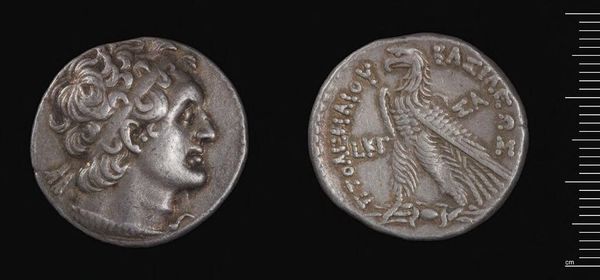
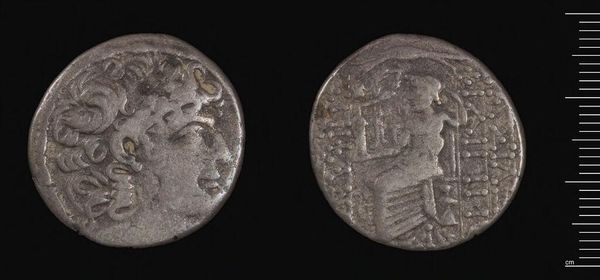
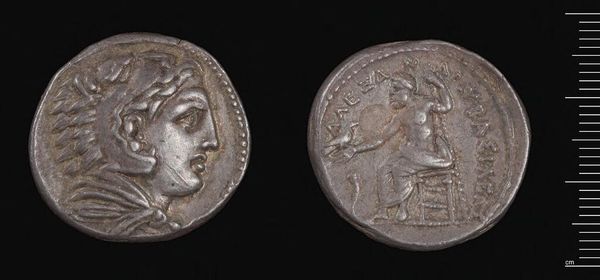
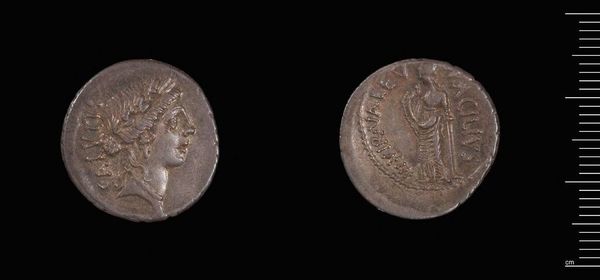
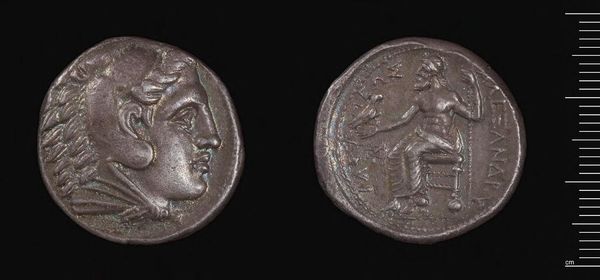
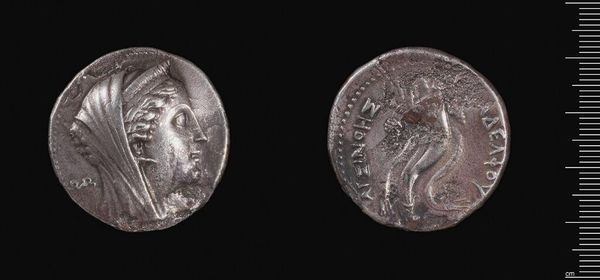
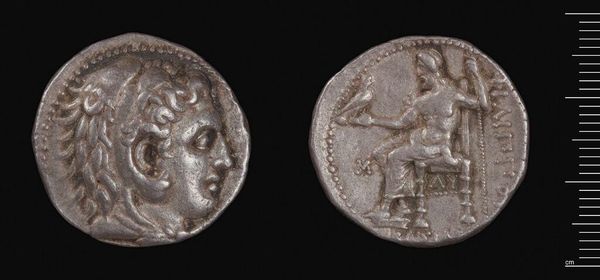
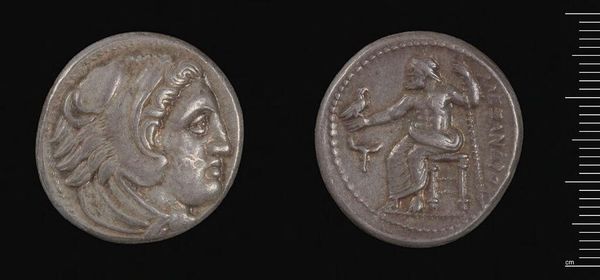
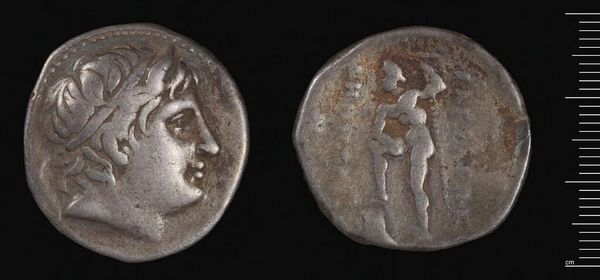
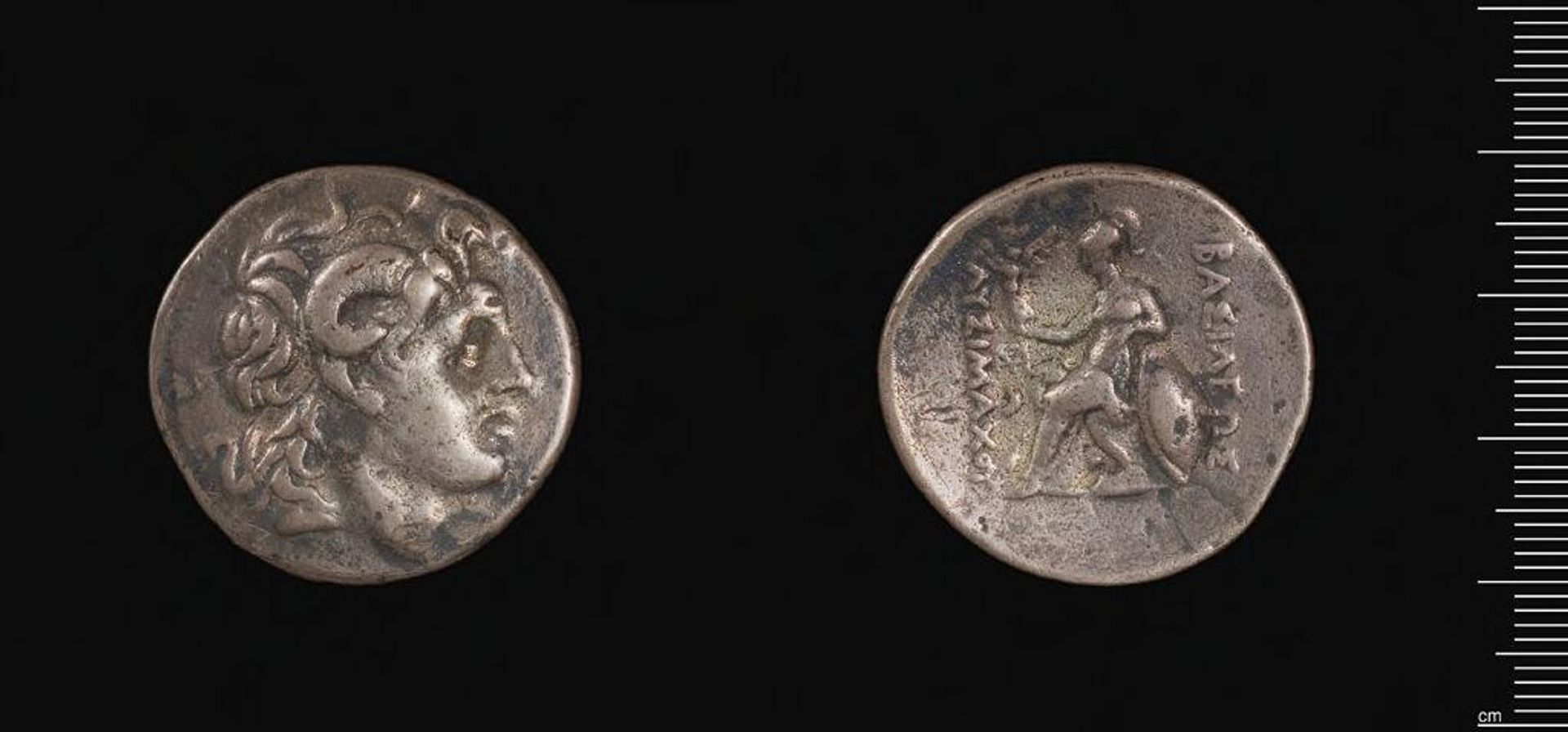
Tetradrachm of Lysimachos, Lampsakos (forgery?)

Listen to curator's interpretation
Curatorial notes
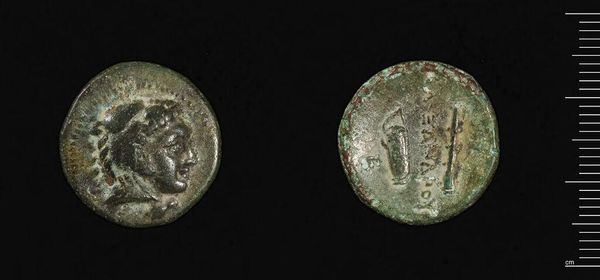
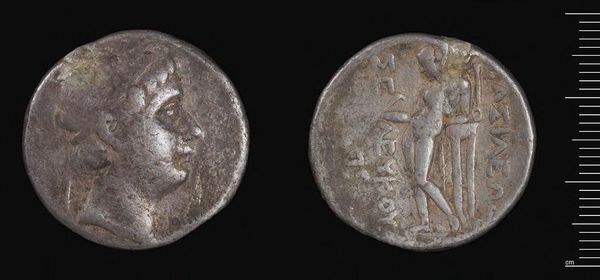
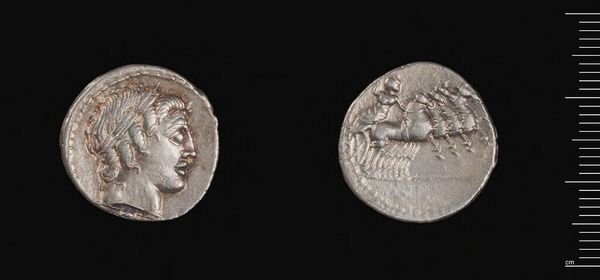
Curator: Here we have a presumed Tetradrachm of Lysimachos, possibly a forgery, originating from Lampsakos. Editor: The metal has a worn, almost ghostly pallor; both figures, especially Alexander the Great, seem to float in their shallow relief. Curator: Note how the die engraver captured the idealized yet still individualized features of Alexander, complete with the ram’s horn symbolizing his divine status. Editor: It's a potent reminder of the ways rulers historically linked themselves to divine power, manipulating public perception of their authority. Curator: Indeed; Lysimachos, a successor of Alexander, skillfully deploys symbolism and iconography to consolidate and legitimize his reign. Editor: Whether authentic or not, this coin prompts us to question the narratives we construct around power, both past and present. Curator: A valuable point. I find myself newly focused on the artistry of the coin itself, less on its authenticity.