1521
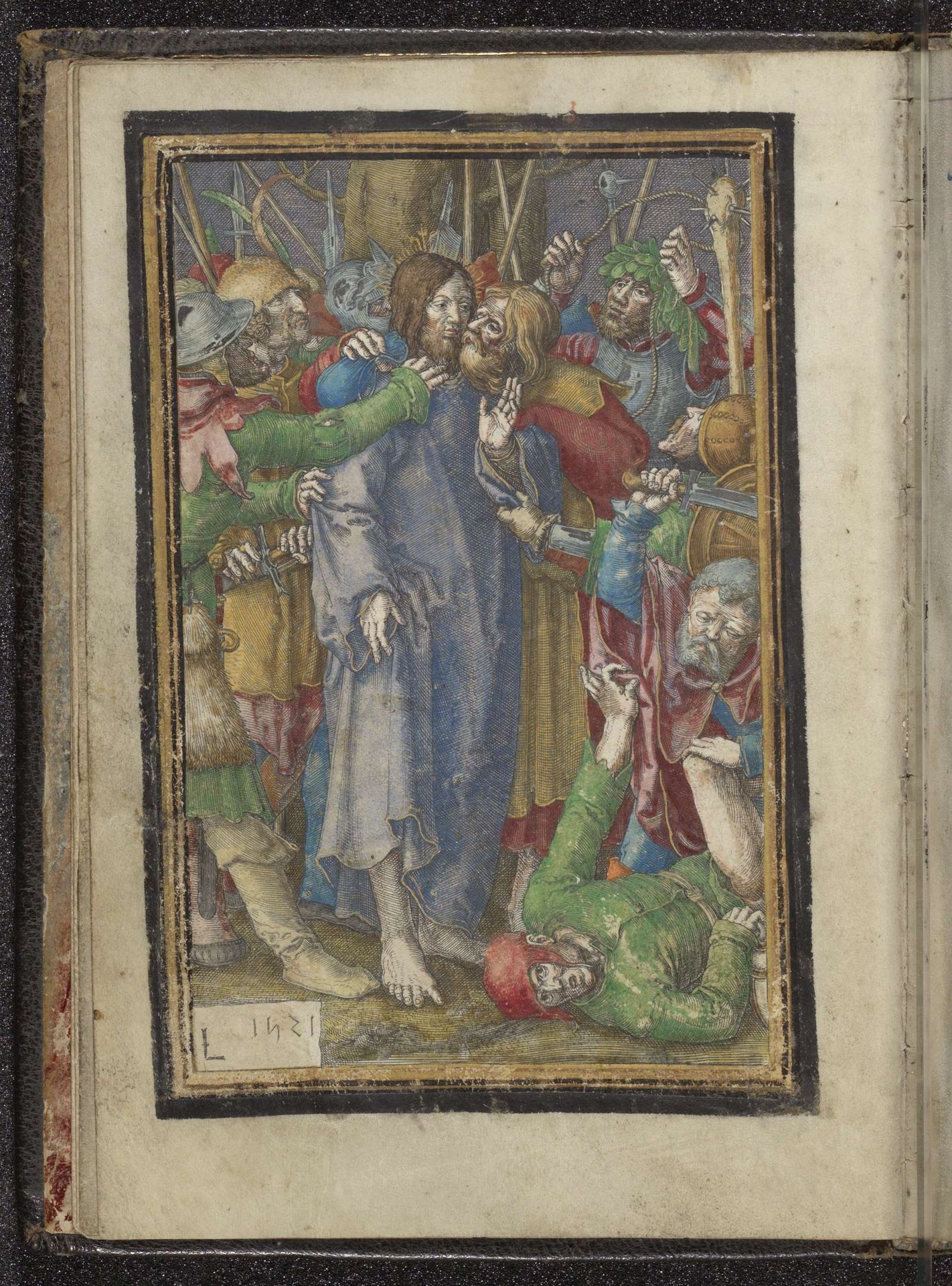
Gevangenneming van Christus

Lucas van Leyden
1494 - 1533Location
RijksmuseumListen to curator's interpretation
Curatorial notes
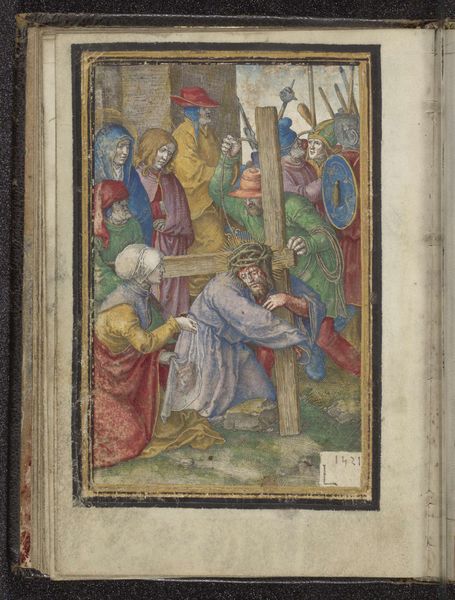
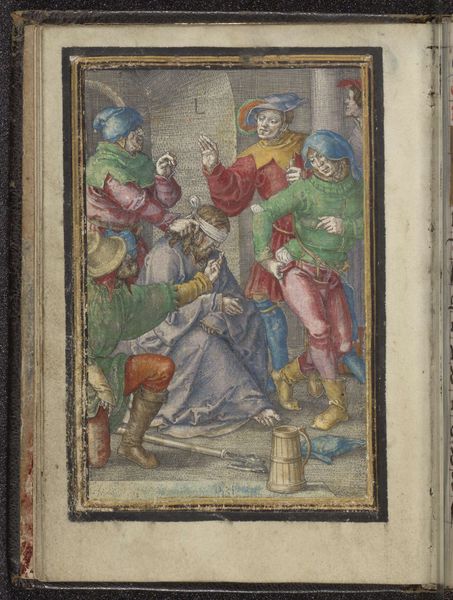
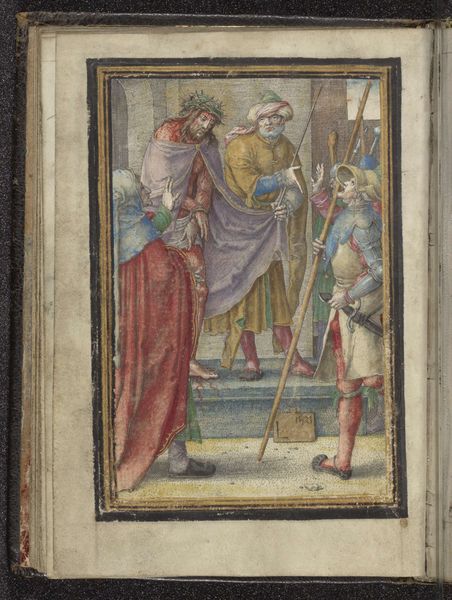
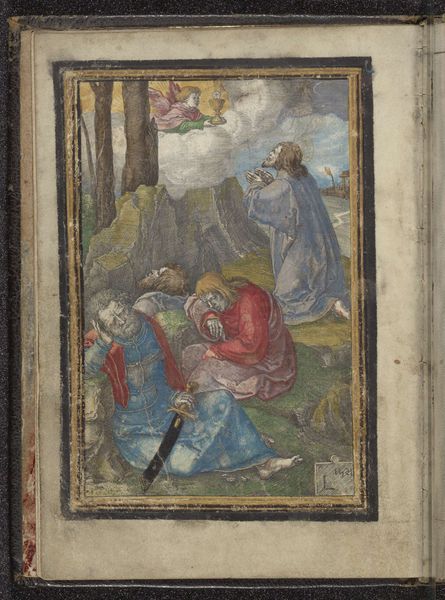
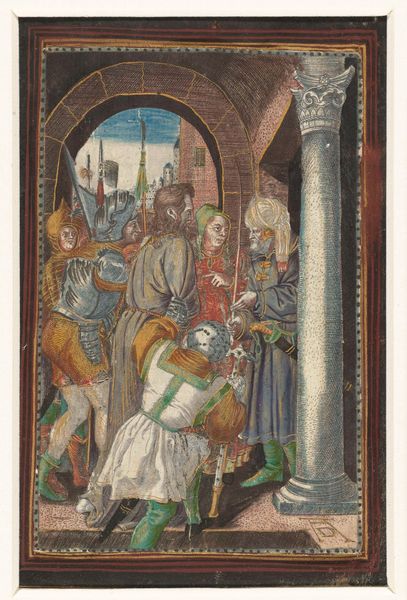
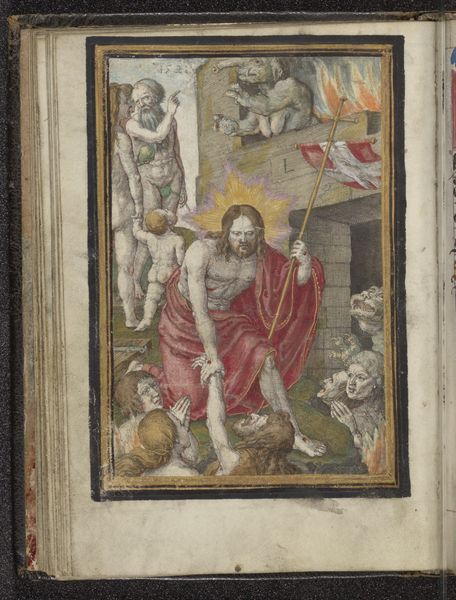
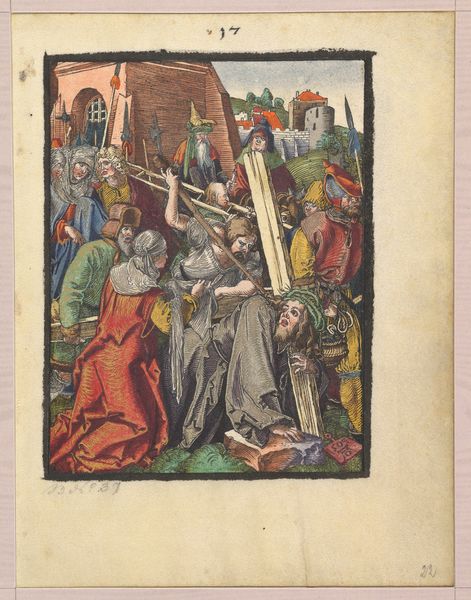
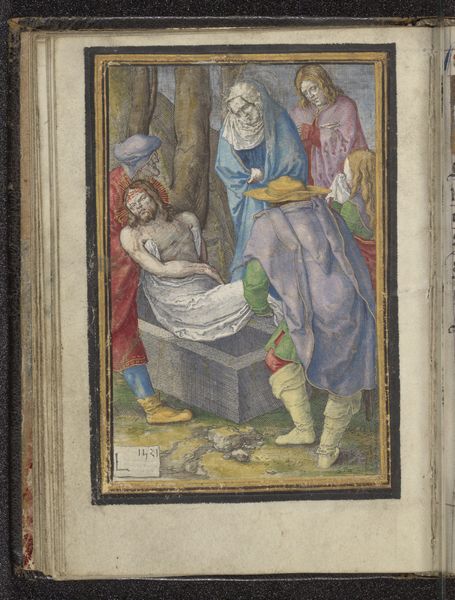
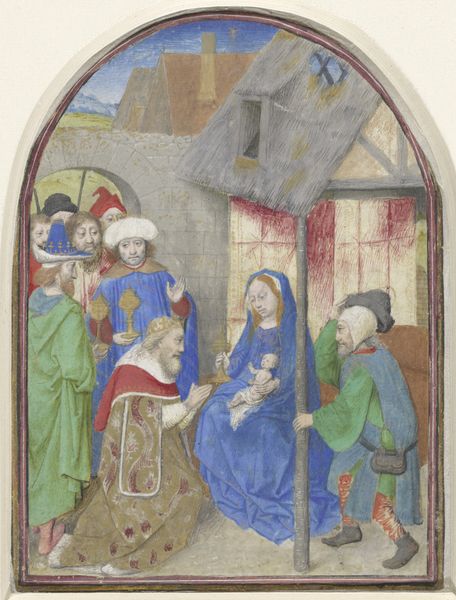
Editor: Here we have Lucas van Leyden’s *The Arrest of Christ*, created in 1521 using ink and watercolor. It feels incredibly cramped and violent; everyone is so close together and the colors are so muted. How do you interpret the social context of an image like this? Curator: The small scale suggests this was likely intended for private devotion, but the drama it portrays plays into larger anxieties around religious reform at the time. Lucas van Leyden was working during the early years of the Reformation. What might this depiction of Christ’s arrest say about the period's attitudes toward religious authority and conflict? Editor: So the chaos I see could be a reflection of broader societal anxieties? Was he making a comment about corruption? Curator: Potentially. Notice the varied expressions on the faces of the soldiers. Some are actively malicious, others appear almost bewildered. What do you make of this diversity? Do you think this suggests the artist critiquing figures within the Church, or something else entirely? Editor: Perhaps, there's an interesting mix of intent, or lack thereof, portrayed. So, he might be prompting the viewer to reflect on their own position in this unfolding religious drama. Curator: Precisely! The composition invites a personal and potentially critical reading of institutional power. These scenes would have held a potent significance. Consider that image making was often considered dangerous during the Reformation and think of how people received, interpreted, and enacted its message. Editor: That’s really insightful! I was so focused on the image itself; I hadn’t thought about its role in a larger socio-political moment. Curator: Thinking about these works as tools or instruments helps one situate them in the religious upheavals of the period.