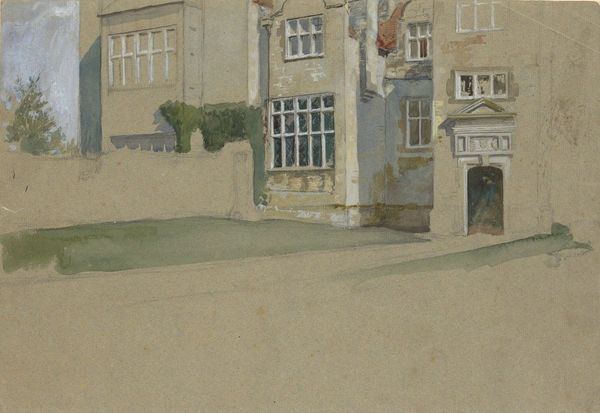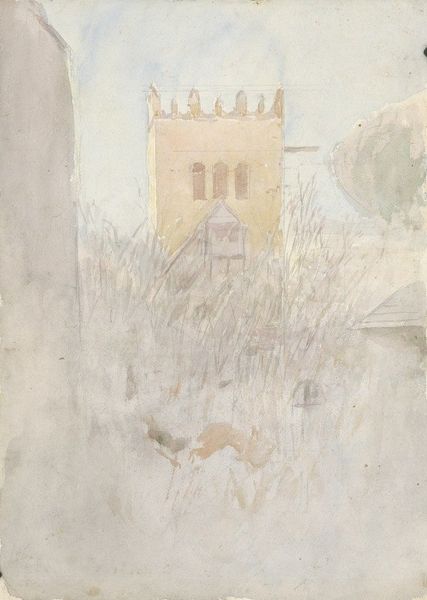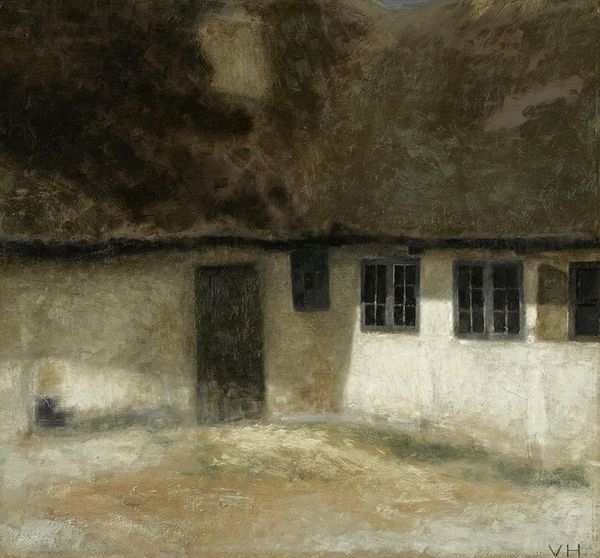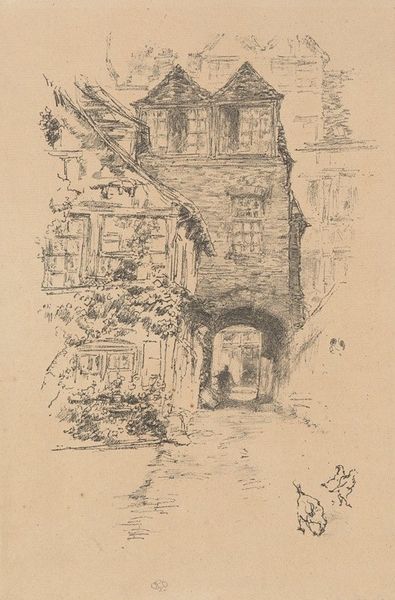
Study of an English medieval house

Listen to curator's interpretation
Curatorial notes
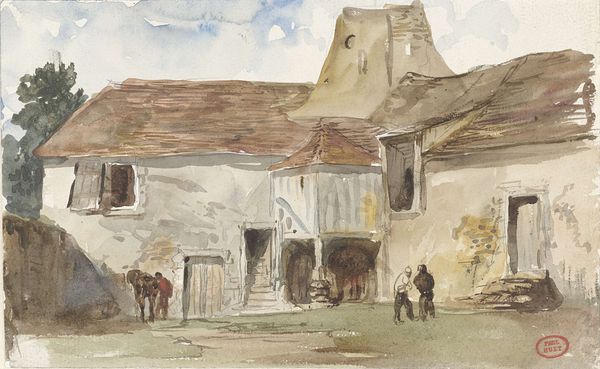
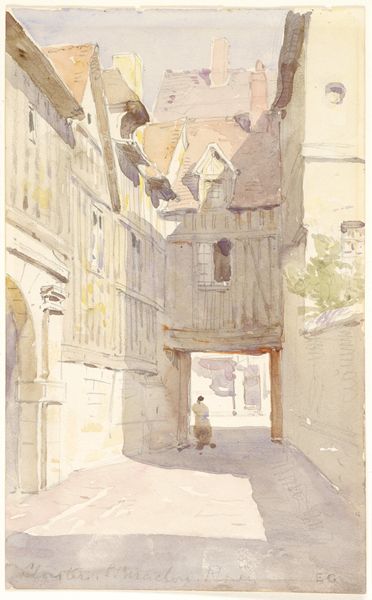
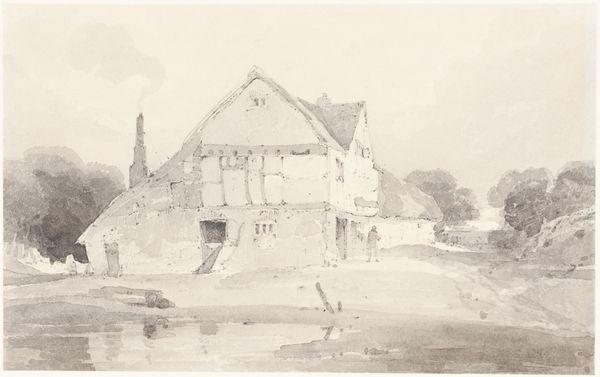
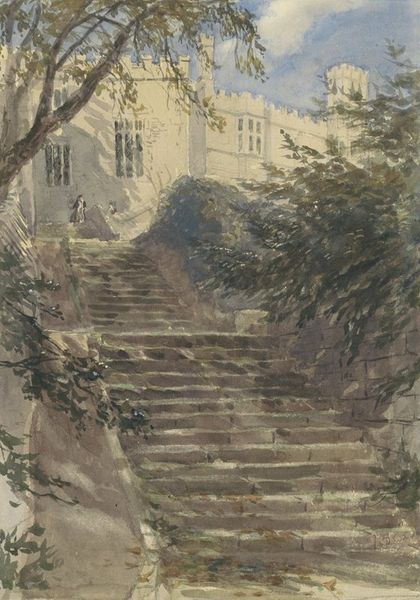
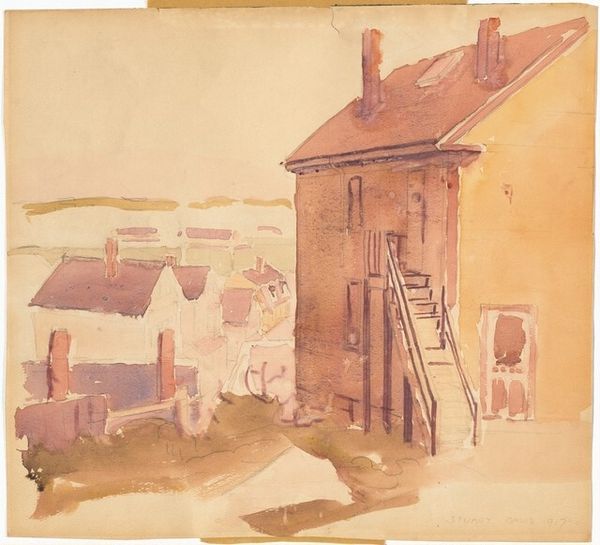
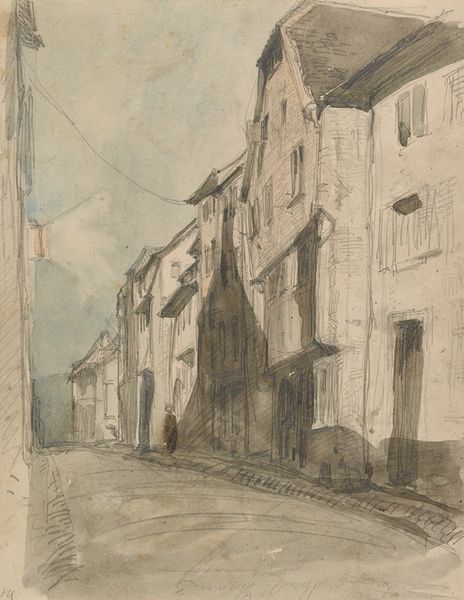
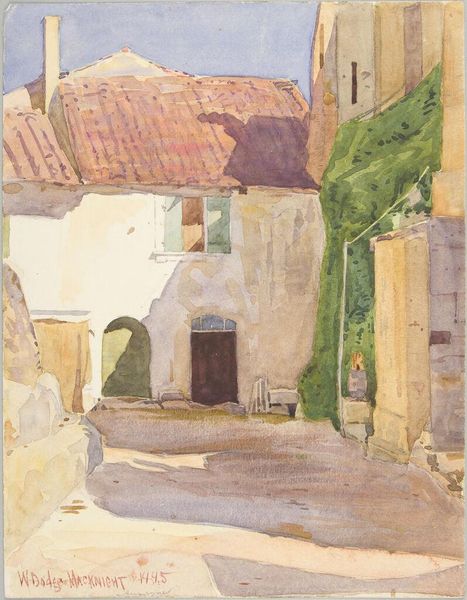
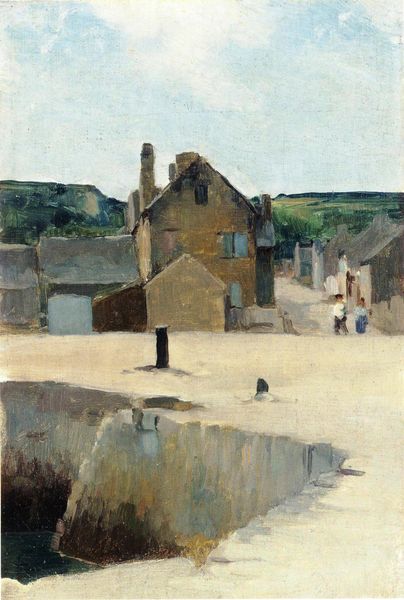
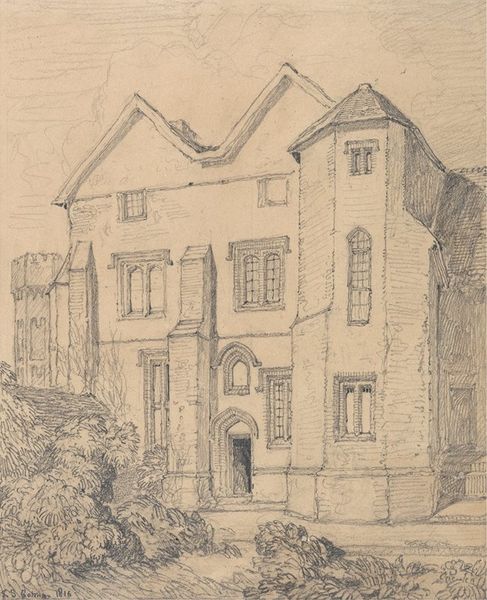
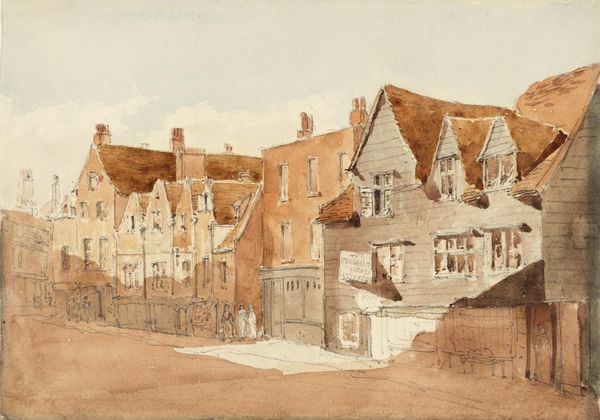
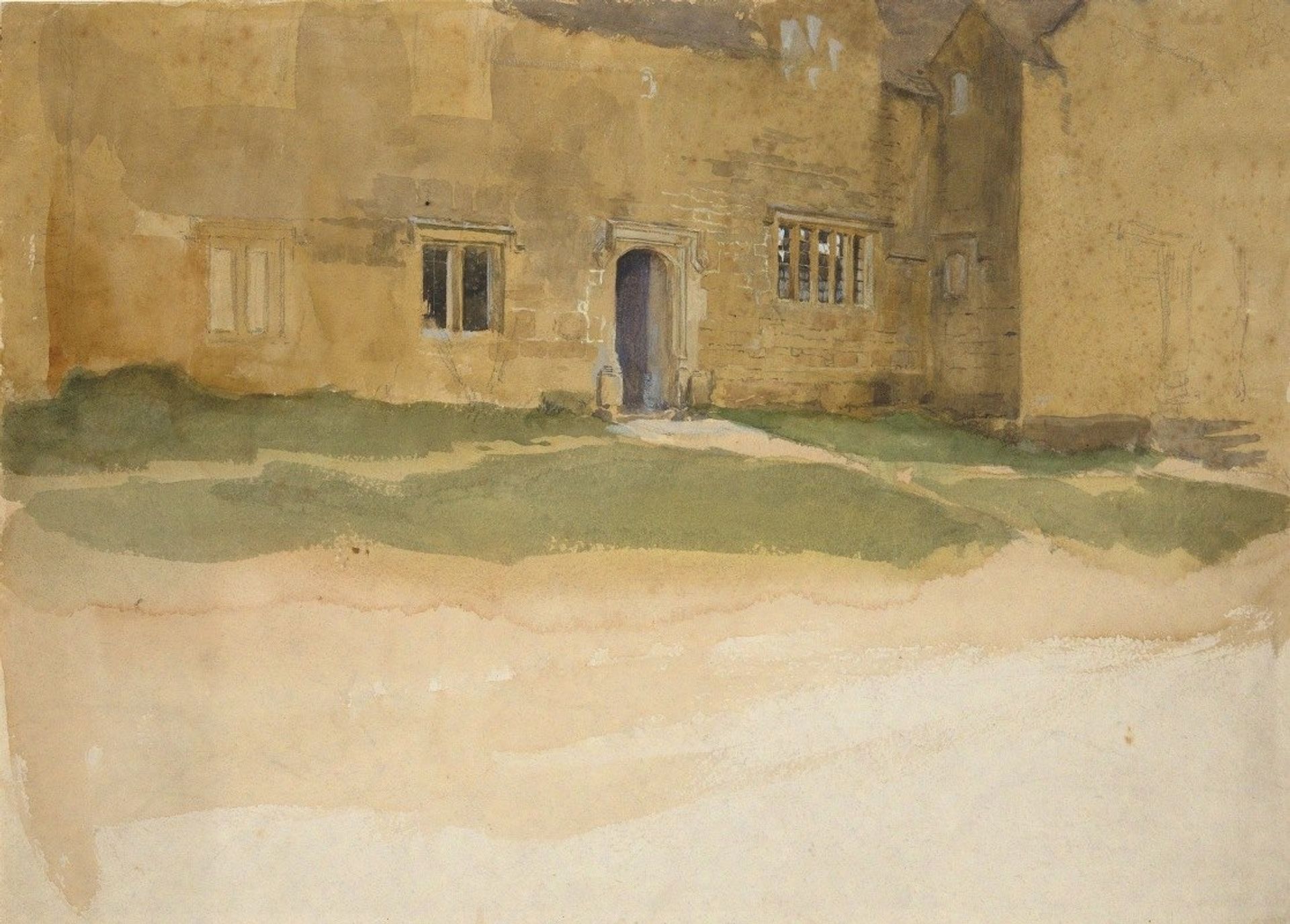
Editor: We’re looking at "Study of an English medieval house" by Edwin Austin Abbey. It’s either a watercolor or oil painting – the materials aren't noted here. It has a dreamy, ethereal quality because of the light washes. How do you interpret this work? Curator: I see a negotiation with history, not just of the house itself but also of representation. The architectural study is filtered through the artist’s own era. We must acknowledge Abbey's gaze – how might he be romanticizing the past and for whom? What political motivations are present in such idealized portrayals of a pre-industrial England? Does the haziness romanticize a patriarchal society that was far from equitable? Editor: That's a perspective I hadn't considered. I was only thinking about the building itself and the light. It's a reminder that there's always a social context, a narrative of power embedded in even seemingly innocent depictions. Is there an intentional contrast here between the imposing architecture and almost delicate medium that the painting is created on? Curator: Precisely! We could unpack this apparent fragility to investigate how societal values influenced perceptions of the domestic sphere versus the world outside it. Consider, too, what the work excludes; whose voices are absent, both within the artwork and historically? Does seeing this artwork in the collection provoke further exploration on Abbey's biases? Editor: That's a powerful question! Now I wonder, seeing the composition as almost like a stage set, whether the absence suggests an invitation to the viewer to imagine the social history ourselves. Thanks, that’s really expanded how I understand it. Curator: My pleasure. Remember that all art is engaged with societal questions of visibility, longing, and perhaps, an unspoken manifesto. It’s down to us to decode it.