1643 - 1666
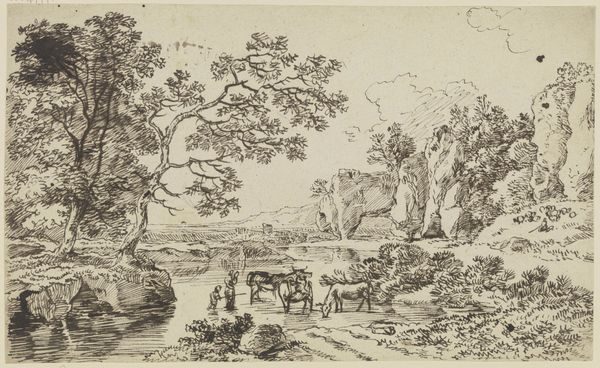
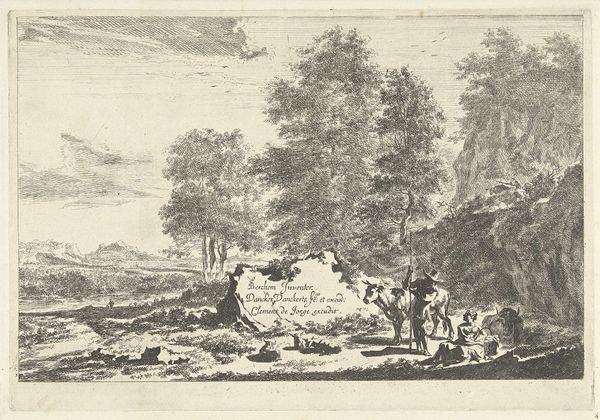
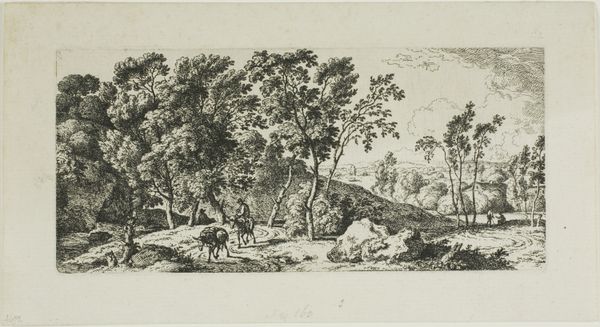
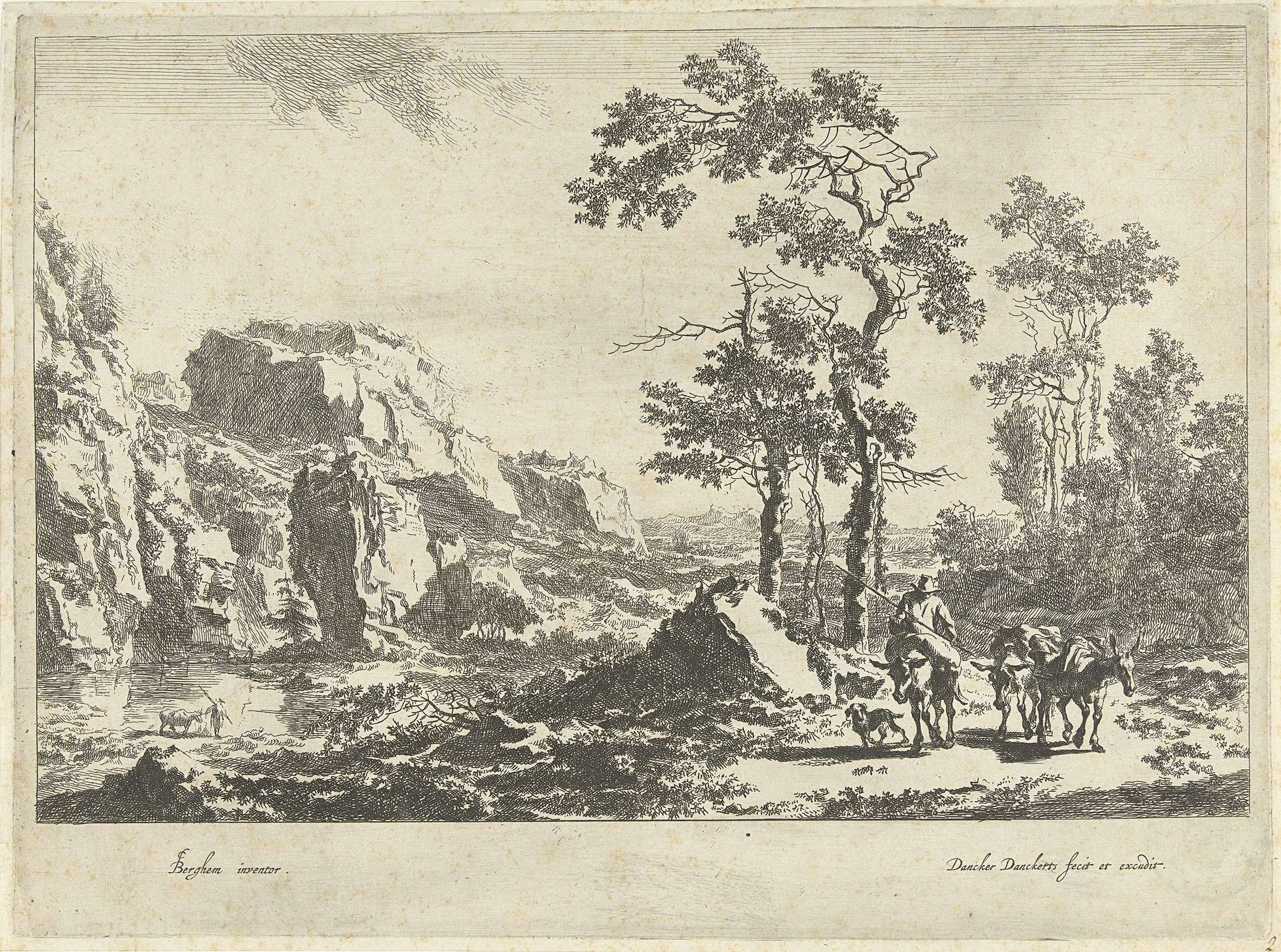
Italiaans berglandschap met drie muilezels en muilezeldrijver

Dancker Danckerts
1634 - 1666Location
RijksmuseumListen to curator's interpretation
Curatorial notes
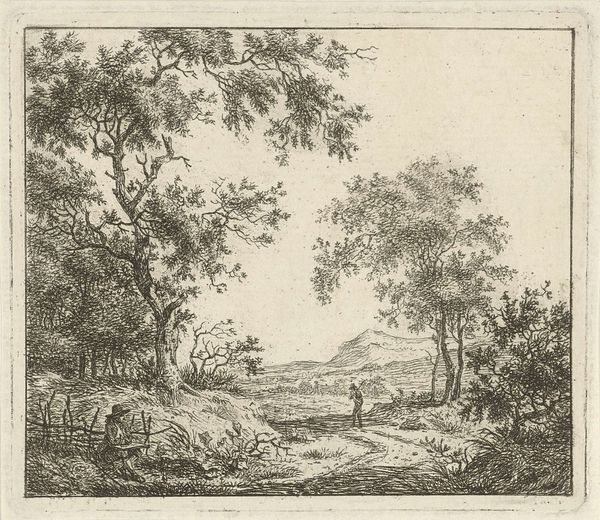
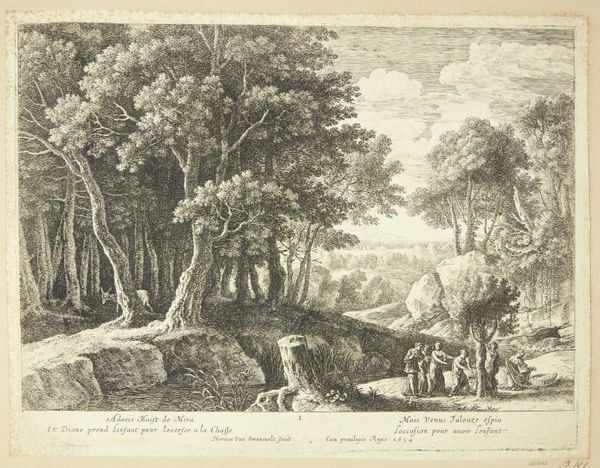
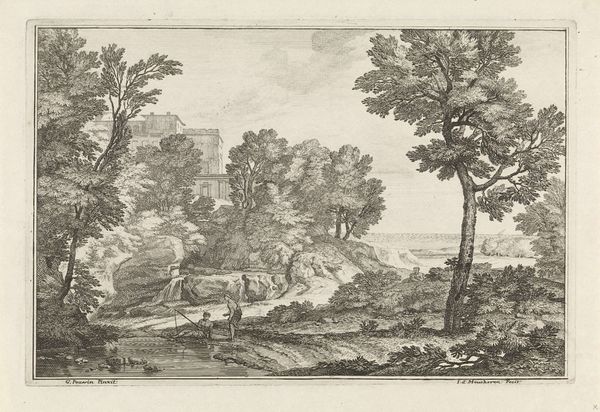
Dancker Danckerts made this Italian mountain landscape with three mules and a mule driver using etching around the mid-17th century. Such pastoral scenes were extremely popular with the rising merchant classes in the Netherlands. As they accumulated wealth through trade, they sought to emulate the lifestyles of the aristocracy, and images of the Italian countryside became associated with luxury. The image creates meaning through visual codes and historical associations. Etchings and engravings were mechanically reproduced, playing an important role in disseminating art. They also gave artists more independence from powerful institutions such as the church. Historians can research period documents, accounts, and economic reports to understand better how economic forces like trade shaped the cultural perception of Italy. By examining these resources, we recognize that artistic meaning is always contingent on social and institutional context.