About this artwork
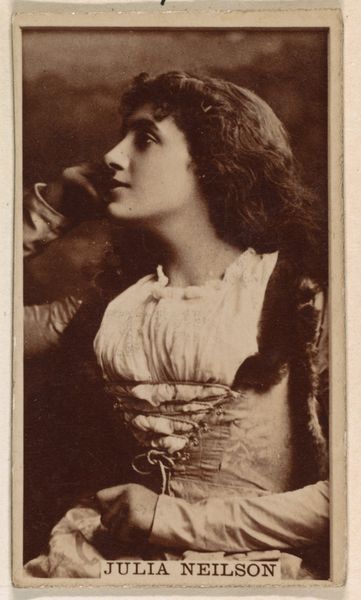
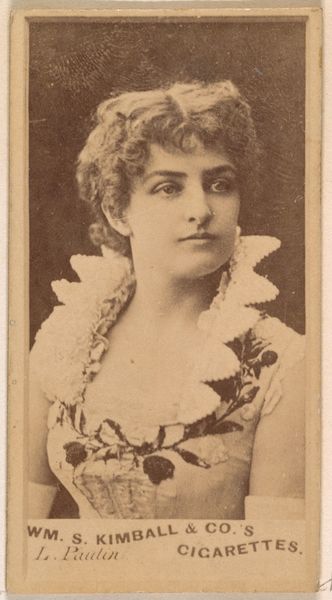
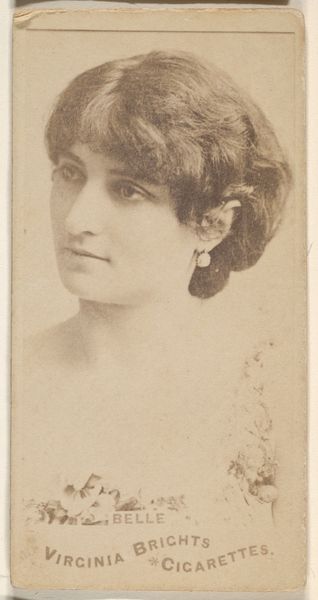
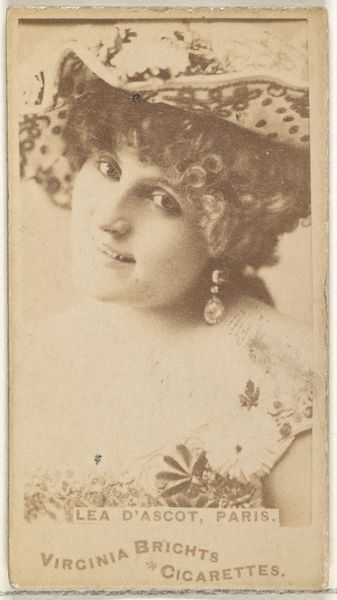
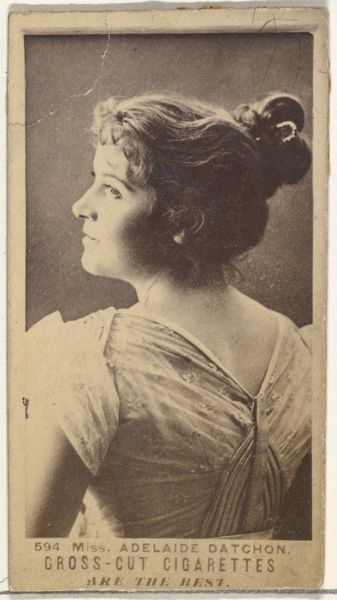
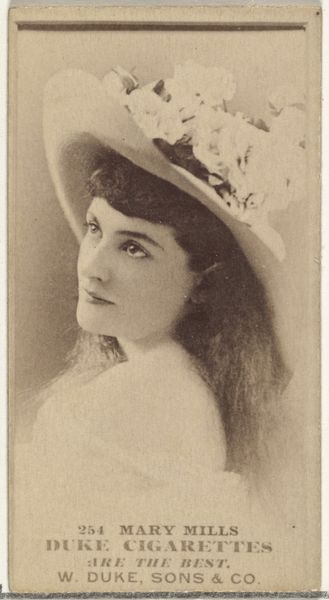
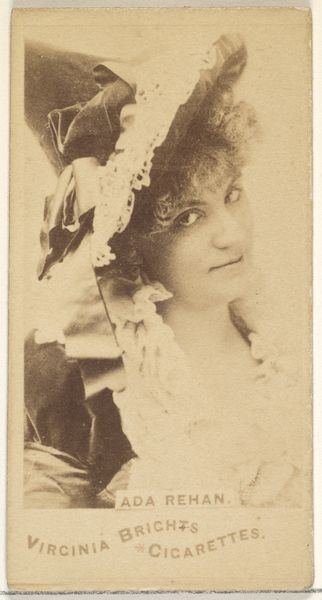
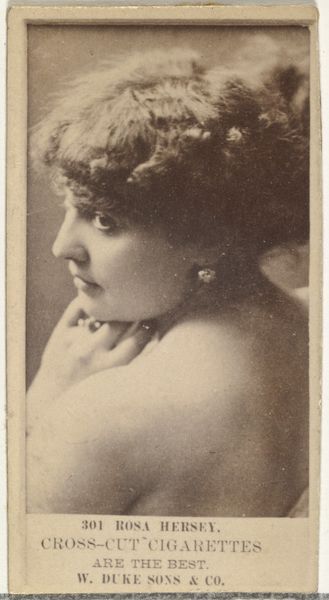
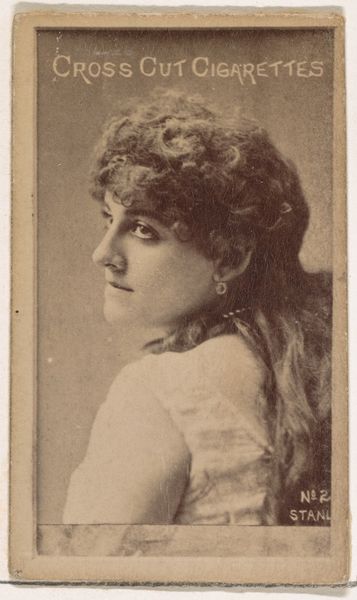
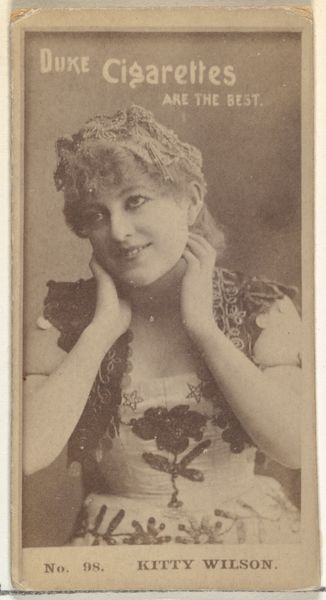
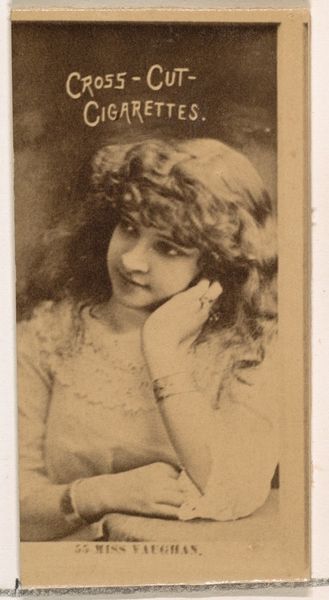
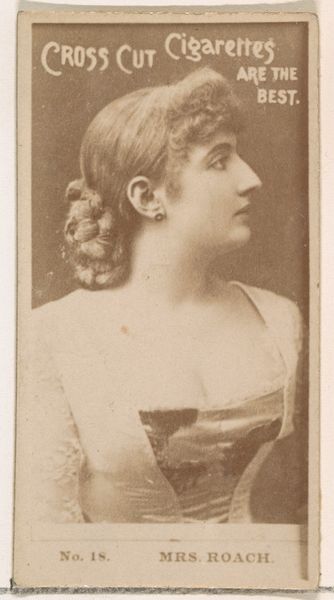
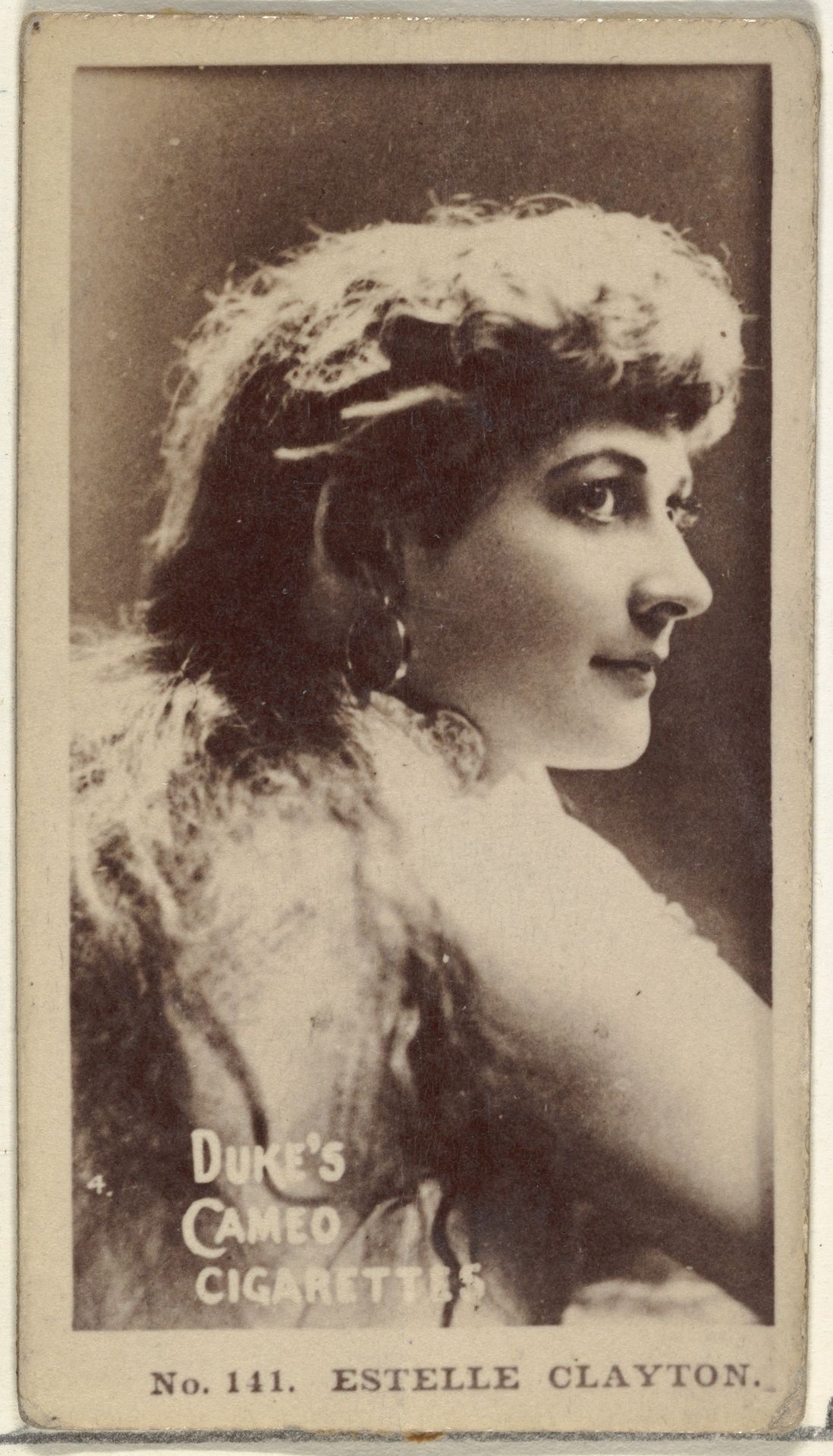
This is Card Number 141, Estelle Clayton, from the Actors and Actresses series (N145-4), a promotional cigarette card printed by W. Duke, Sons & Co. in the United States during the late 19th century. These cards were designed to boost sales of Cameo Cigarettes, and provide a fascinating insight into the cultural values of the Gilded Age. The image features actress Estelle Clayton, idealized according to the beauty standards of the time. But it also speaks to the rising cult of celebrity, the commodification of female beauty, and the intertwined histories of consumerism and entertainment. The fact that a tobacco company used actresses to market their product speaks to the power of the stage and the performers who occupied it, in shaping social trends. These cards were affordable and accessible to a broad public, signifying how popular culture and mass media could disseminate images and ideas, and therefore, consolidate shared social norms. Careful research into company records, biographies of Clayton, and theatre ephemera of the period, will reveal the social conditions that shaped the production of this image and its consumption by the American public.
Card Number 141, Estelle Clayton, from the Actors and Actresses series (N145-4) issued by Duke Sons & Co. to promote Cameo Cigarettes
1880s

W. Duke, Sons & Co.
1870 - 1920
The Metropolitan Museum of Art
Metropolitan Museum of Art, New York, NYArtwork details
- Medium
- drawing, print, photography, albumen-print
- Dimensions
- Sheet: 2 11/16 × 1 3/8 in. (6.8 × 3.5 cm)
- Location
- Metropolitan Museum of Art, New York, NY
- Copyright
- Public Domain
Tags
portrait
drawing
photography
albumen-print
Comments
Be the first to share your thoughts about this work.
About this artwork
This is Card Number 141, Estelle Clayton, from the Actors and Actresses series (N145-4), a promotional cigarette card printed by W. Duke, Sons & Co. in the United States during the late 19th century. These cards were designed to boost sales of Cameo Cigarettes, and provide a fascinating insight into the cultural values of the Gilded Age. The image features actress Estelle Clayton, idealized according to the beauty standards of the time. But it also speaks to the rising cult of celebrity, the commodification of female beauty, and the intertwined histories of consumerism and entertainment. The fact that a tobacco company used actresses to market their product speaks to the power of the stage and the performers who occupied it, in shaping social trends. These cards were affordable and accessible to a broad public, signifying how popular culture and mass media could disseminate images and ideas, and therefore, consolidate shared social norms. Careful research into company records, biographies of Clayton, and theatre ephemera of the period, will reveal the social conditions that shaped the production of this image and its consumption by the American public.
Comments
Be the first to share your thoughts about this work.