1551 - 1580
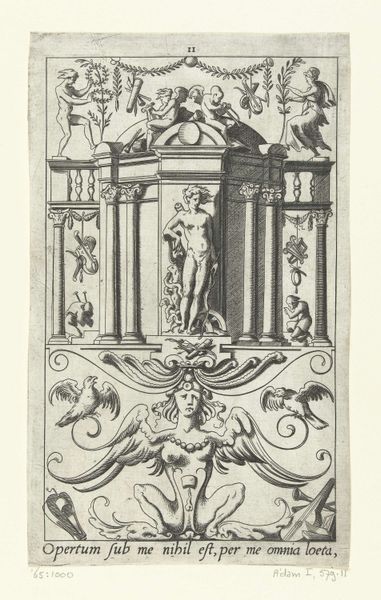
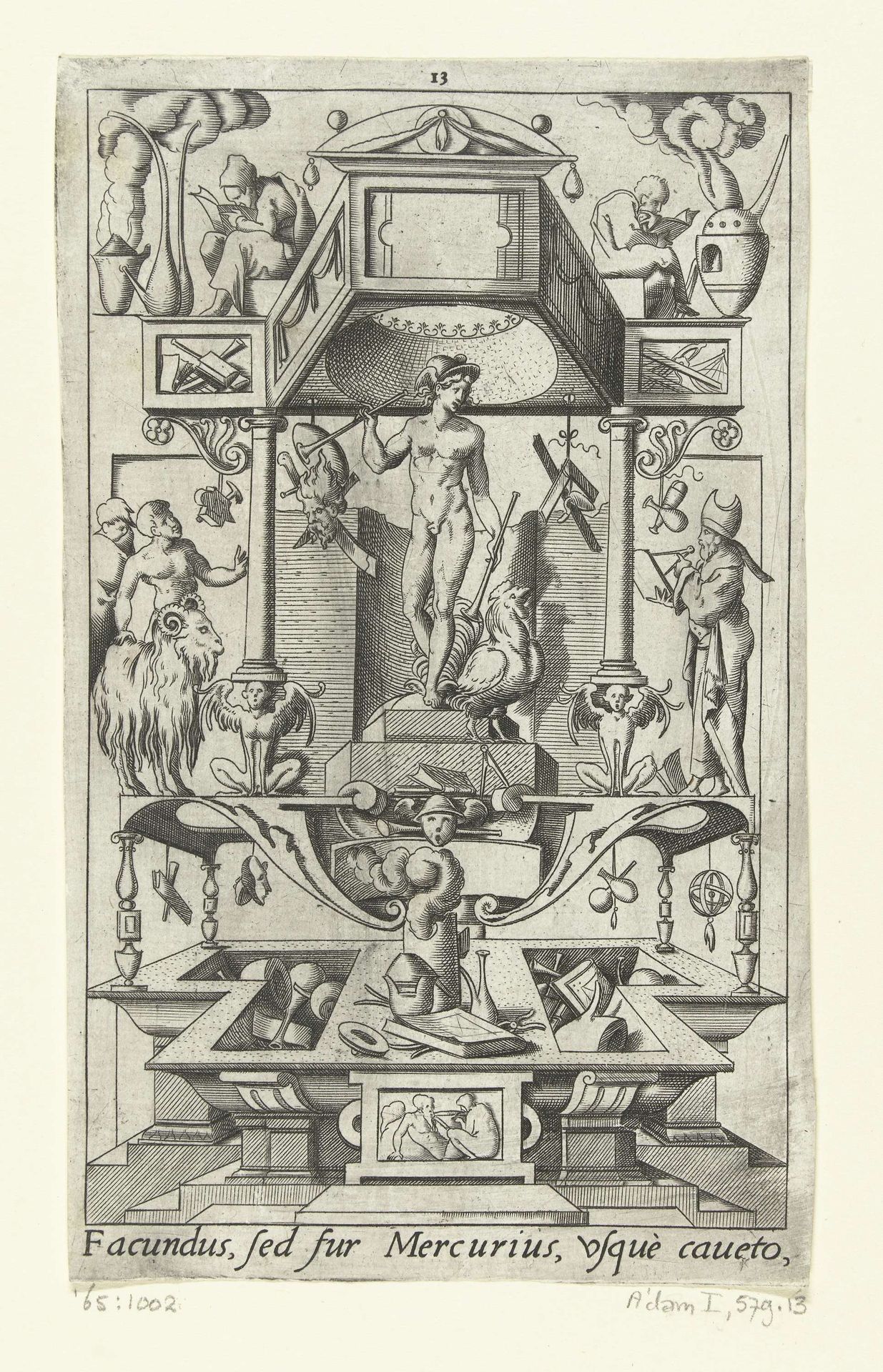
Mercurius met een bazuin in elke hand

René Boyvin
1525 - 1598Location
RijksmuseumListen to curator's interpretation
Curatorial notes
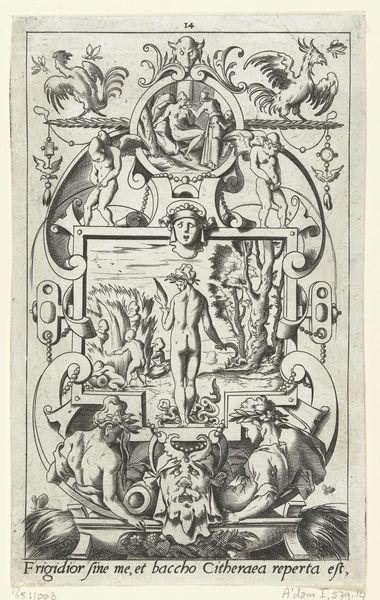
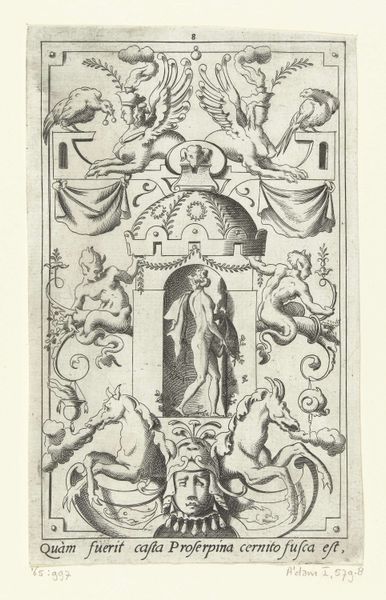
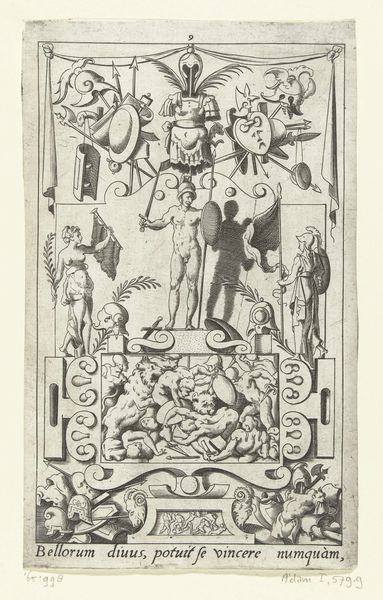
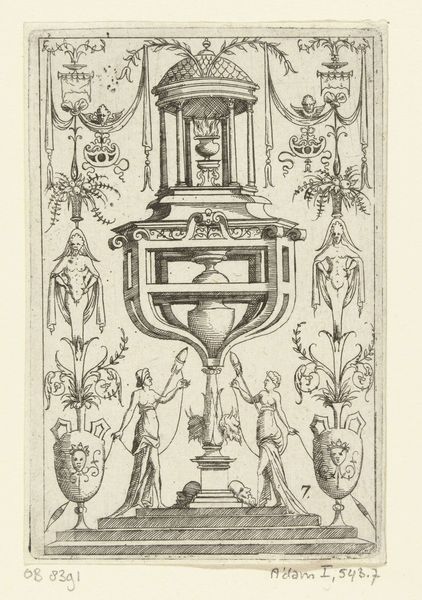
This is Mercurius met een bazuin in elke hand, an engraving by the French artist René Boyvin, likely created in the latter half of the 16th century. Boyvin, who lived through a period of religious and political turmoil in France, infuses classical mythology with the anxieties of his time. Here we see Mercury, the Roman god of commerce, communication, and trickery, presented in a complex, allegorical setting. What does it mean to portray a god as both ‘facundus’ (eloquent) and ‘fur’ (thief)? This duality reflects the shifting values of Renaissance Europe. The surrounding imagery—of commerce, alchemy, and scholarship—creates a world where knowledge and skill are intertwined with deceit and theft. The engraving demands we consider how power and knowledge were being negotiated in Boyvin's era, asking us to consider the ethical implications of eloquence when it is so closely linked with trickery. The emotional resonance lies in the tension between admiration for skill and distrust of deception, a dilemma as relevant today as it was in the 16th century.