About this artwork
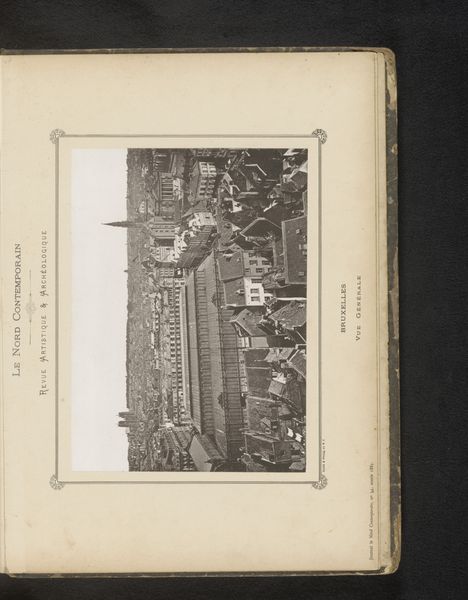
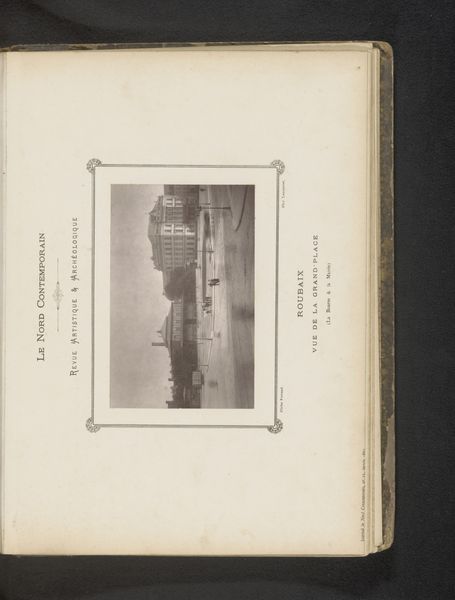
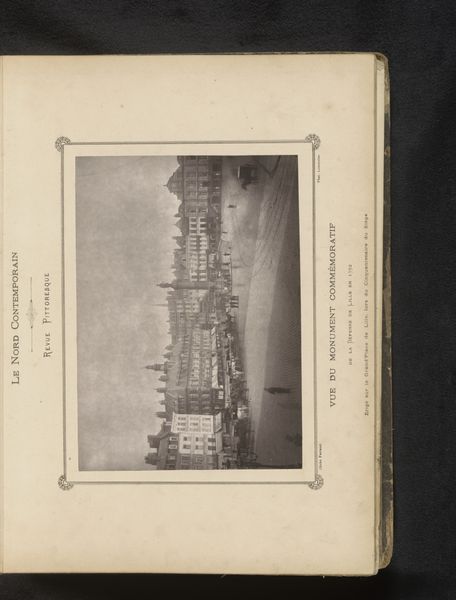
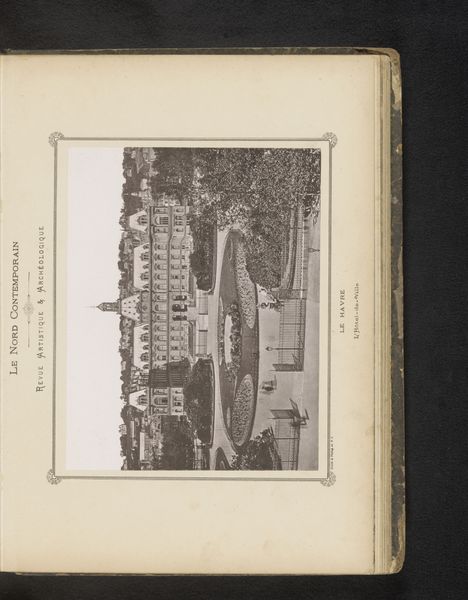
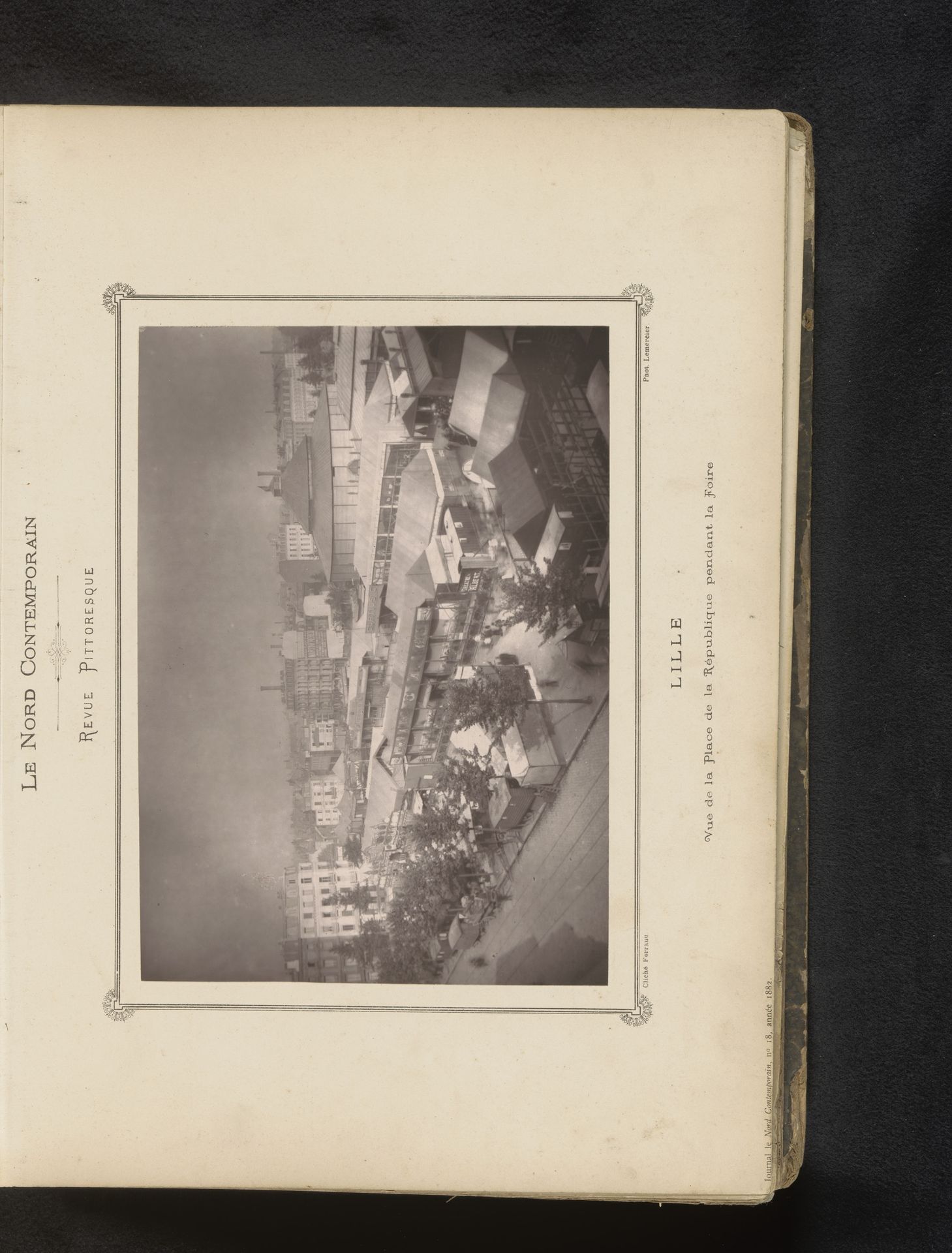
This photograph by Lemercier captures the Place de la République in Lille during a market, offering us a glimpse into the urban life of its time. The image, published in "Le Nord Contemporain," presents a bird's-eye view of the square bustling with activity. The stalls and crowds suggest a vibrant commercial and social scene. The architecture, a mix of grand public buildings and more modest structures, reflects the social stratification and economic activity of the time. Given Lille's location in northern France, we can infer that this image would have been shaped by the industrial history of the region. As historians, it is our job to ask, what does this tell us about the public role of art, and the politics of imagery, and how the social conditions shape artistic production? By consulting archives, newspapers, and other period sources, we can contextualize this photograph and understand its significance within the broader social and institutional landscape of Lille and France. This would bring us closer to grasping the complexities of art's meaning as something contingent on historical context.
Gezicht op Place de la République in Lille tijdens een markt
before 1889

Artwork details
- Medium
- print, photography
- Dimensions
- height 152 mm, width 214 mm
- Copyright
- Rijks Museum: Open Domain
Tags
Comments
Share your thoughts
About this artwork
This photograph by Lemercier captures the Place de la République in Lille during a market, offering us a glimpse into the urban life of its time. The image, published in "Le Nord Contemporain," presents a bird's-eye view of the square bustling with activity. The stalls and crowds suggest a vibrant commercial and social scene. The architecture, a mix of grand public buildings and more modest structures, reflects the social stratification and economic activity of the time. Given Lille's location in northern France, we can infer that this image would have been shaped by the industrial history of the region. As historians, it is our job to ask, what does this tell us about the public role of art, and the politics of imagery, and how the social conditions shape artistic production? By consulting archives, newspapers, and other period sources, we can contextualize this photograph and understand its significance within the broader social and institutional landscape of Lille and France. This would bring us closer to grasping the complexities of art's meaning as something contingent on historical context.
Comments
Share your thoughts