Possibly 1926
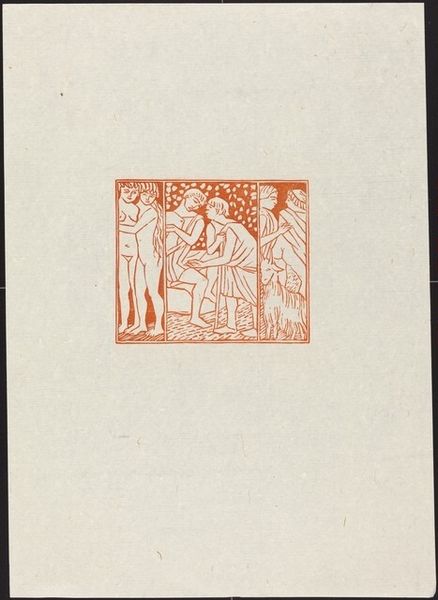
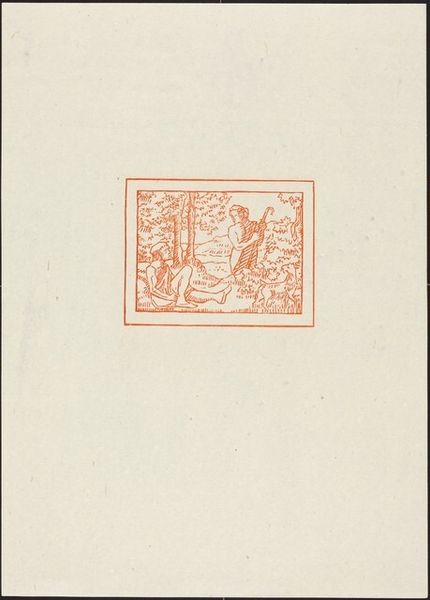
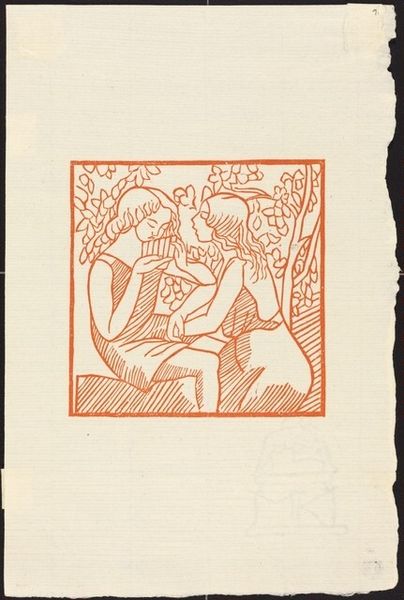
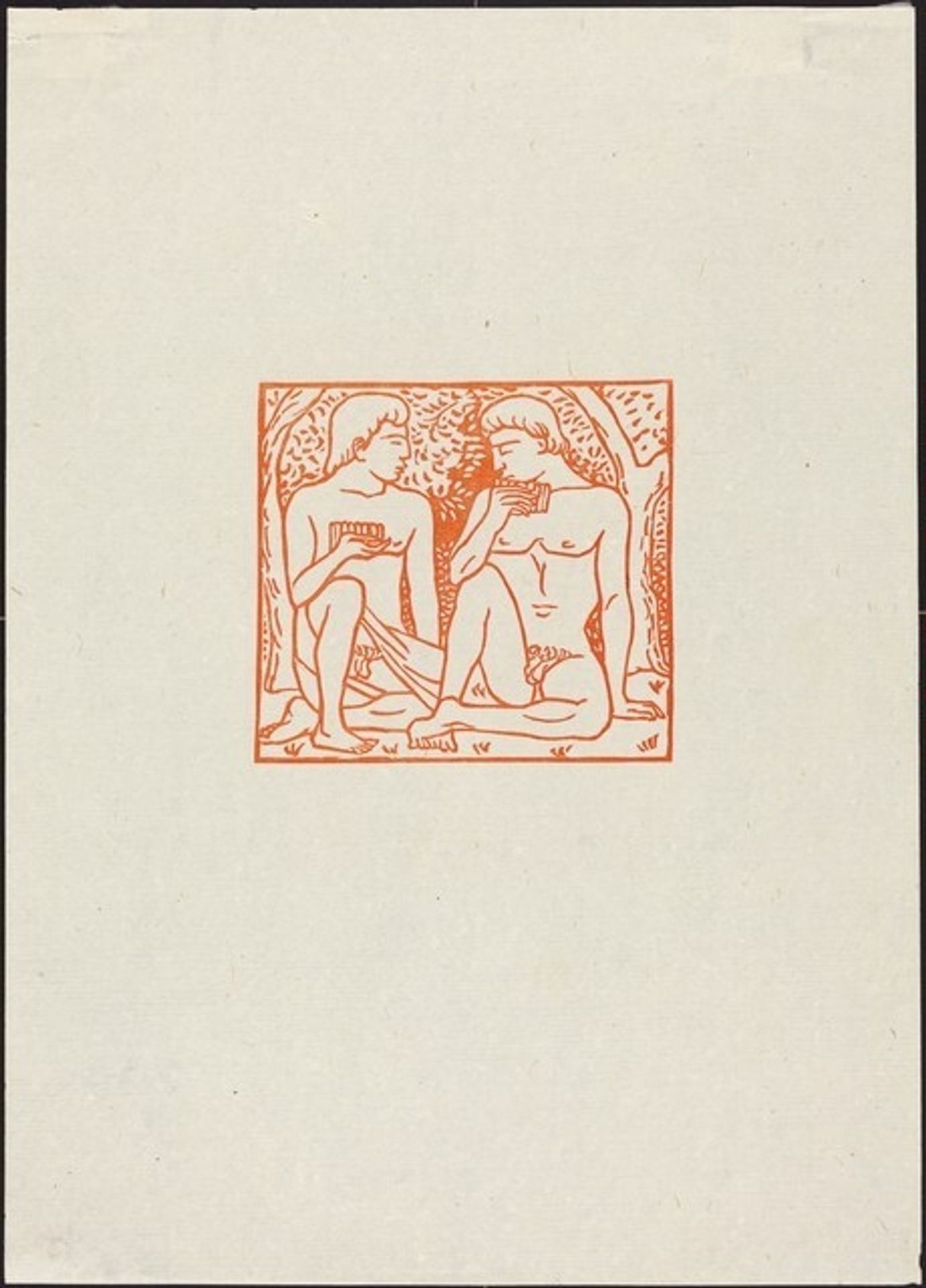
Seventh Eclogue: Corydon and Thrysis Singing (Corydon et Thyrsis, assis sous un cheneegaux dan l'art de chanter et dans l'art derepondre)


Listen to curator's interpretation
Curatorial notes
Aristide Maillol created this print, "Seventh Eclogue: Corydon and Thrysis Singing," showing two nude men in a wooded landscape. Maillol, a French artist working in the early 20th century, looked back to classical antiquity for inspiration. The image draws from Virgil’s "Eclogues," poems that romanticize rural life. This idyllic scene, however, appeared during a period of significant social and political change in France. As urban life grew, so did an interest in an imagined, simpler past. The male nude was, at this time, a popular subject in academic art, often referencing Greek and Roman sculpture. Here, Maillol reinterprets these traditions through a modern lens, using simplified forms and a more intimate setting. Historians use a variety of sources – from literary texts to economic data – to understand the complex relationships between art and its context. By studying these connections, we can appreciate how art both reflects and shapes cultural values.