About this artwork
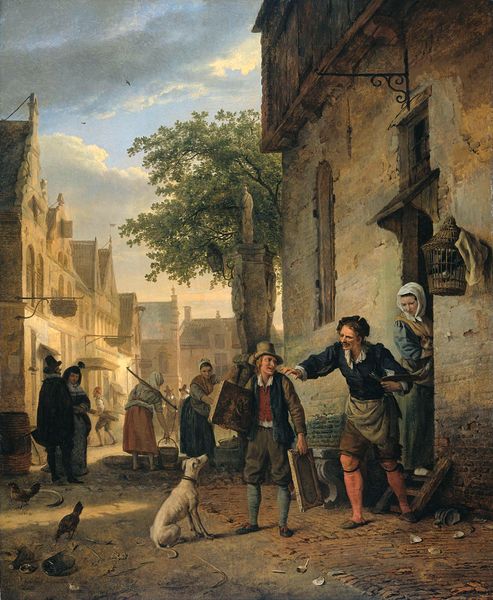
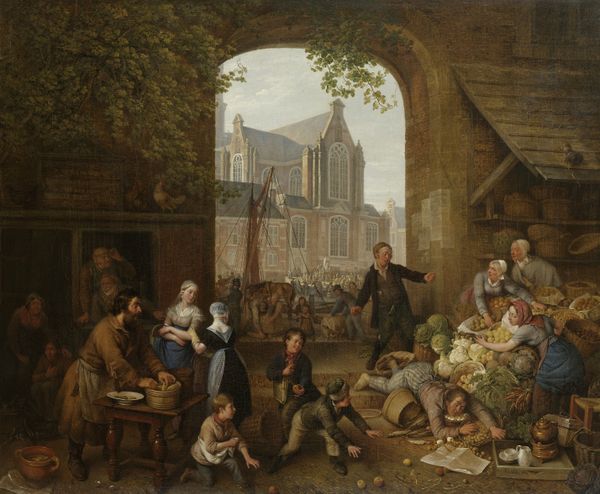
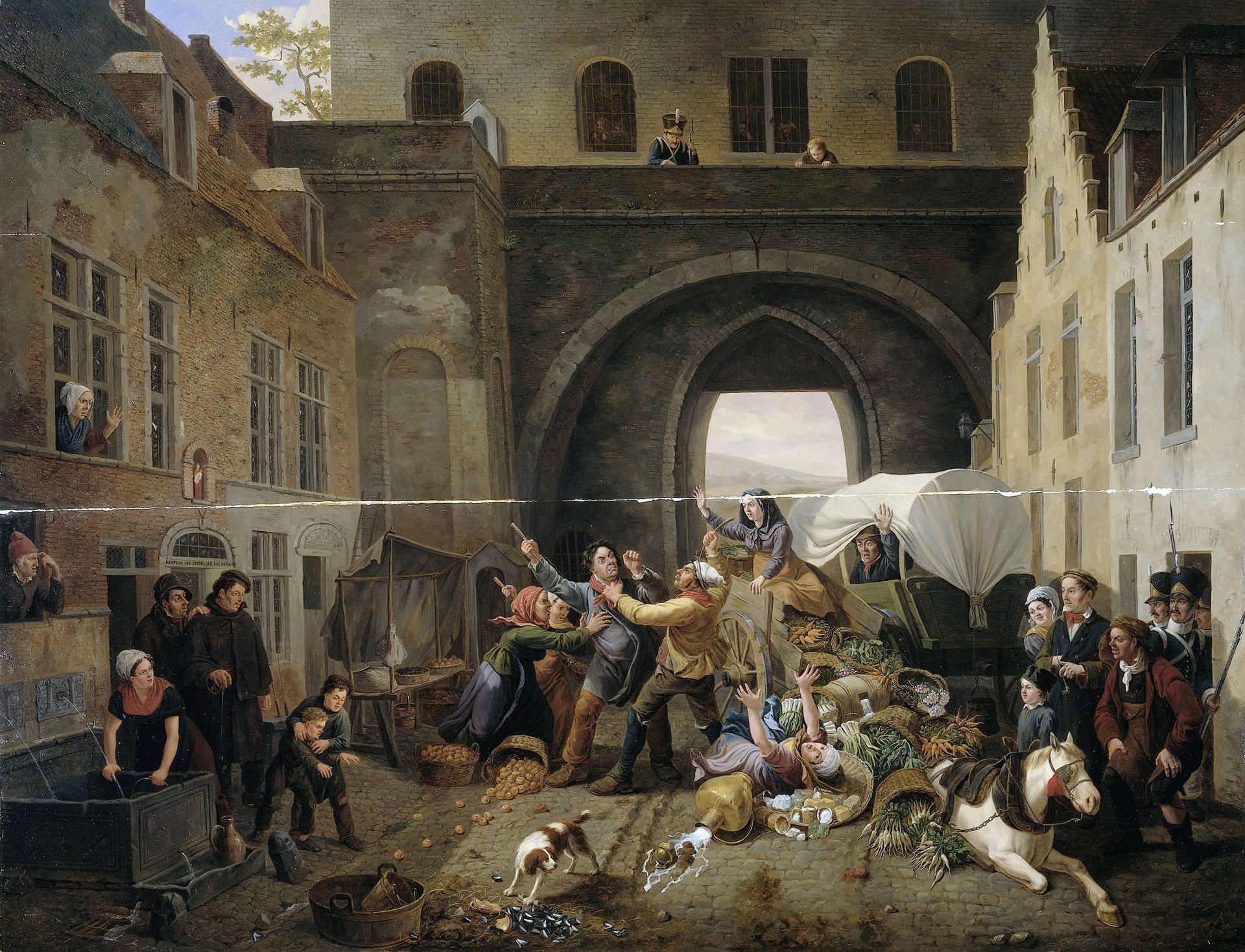
Constantinus Fidelio Coene painted "A Collision at the Porte de Hal, Brussels" with oil on canvas. The painting's composition is dominated by a chaotic scene of a market collision set against the architectural backdrop of a city gate. Coene uses a dynamic arrangement of figures and objects to create a sense of disarray. The collision's impact is expressed through scattered produce, frantic gestures, and the distorted perspective of the overturned cart. The use of light and shadow enhances the drama, with brighter areas highlighting the central commotion. The painting suggests a disruption of social order, where the planned structure of urban life clashes with the unpredictable nature of accidents. The formal elements of the painting—the contrast between architectural stability and human instability—reflect broader themes of control and chaos. It prompts viewers to consider the fragility of order in the face of unexpected events.
A Collision at the Porte de Hal, Brussels
1823

Constantinus Fidelio Coene
1779 - 1841Location
RijksmuseumArtwork details
- Medium
- painting, oil-paint
- Dimensions
- height 95 cm, width 124 cm
- Location
- Rijksmuseum
- Copyright
- Rijks Museum: Open Domain
Tags
Comments
Share your thoughts
About this artwork
Constantinus Fidelio Coene painted "A Collision at the Porte de Hal, Brussels" with oil on canvas. The painting's composition is dominated by a chaotic scene of a market collision set against the architectural backdrop of a city gate. Coene uses a dynamic arrangement of figures and objects to create a sense of disarray. The collision's impact is expressed through scattered produce, frantic gestures, and the distorted perspective of the overturned cart. The use of light and shadow enhances the drama, with brighter areas highlighting the central commotion. The painting suggests a disruption of social order, where the planned structure of urban life clashes with the unpredictable nature of accidents. The formal elements of the painting—the contrast between architectural stability and human instability—reflect broader themes of control and chaos. It prompts viewers to consider the fragility of order in the face of unexpected events.
Comments
Share your thoughts