About this artwork
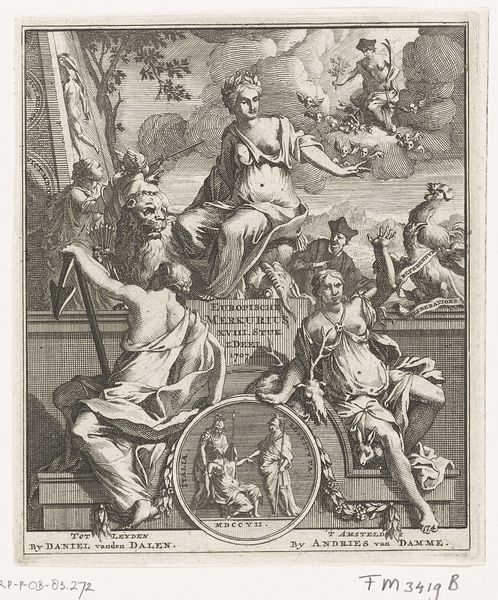
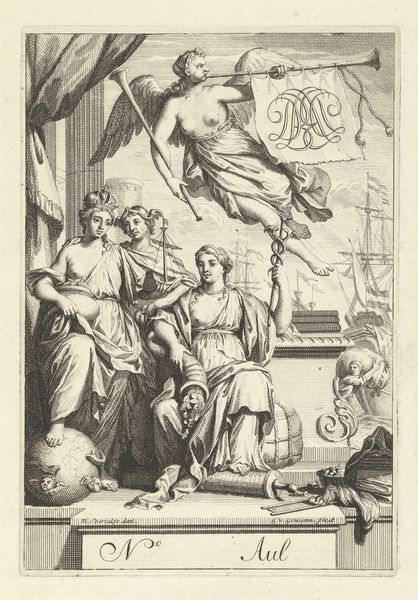
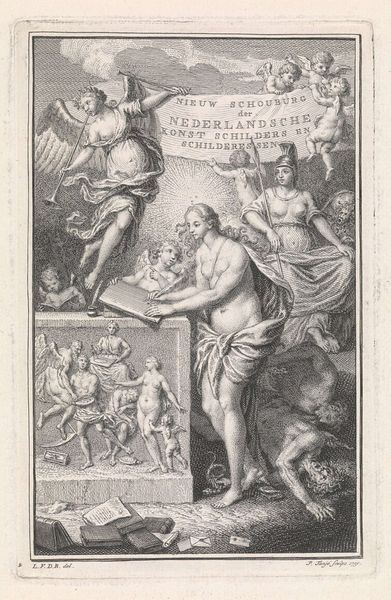
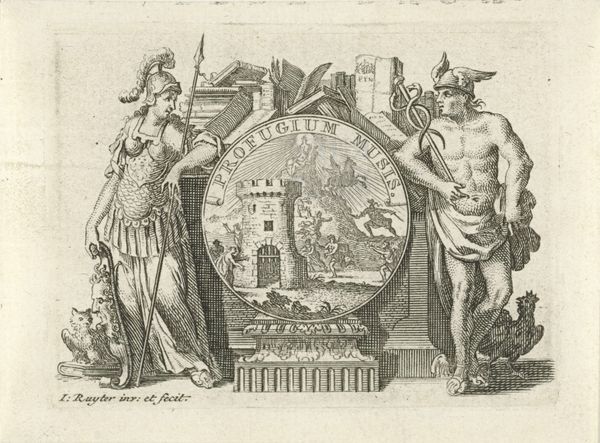
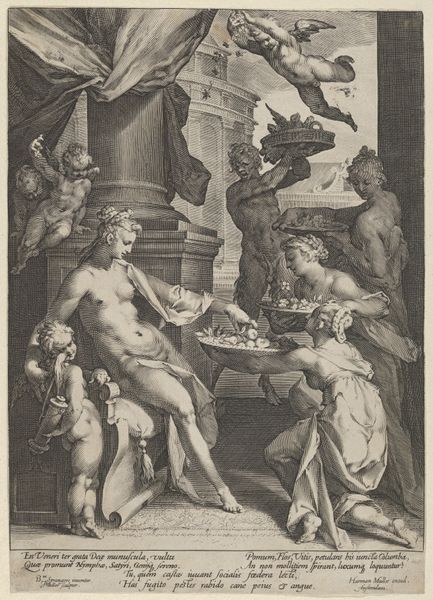
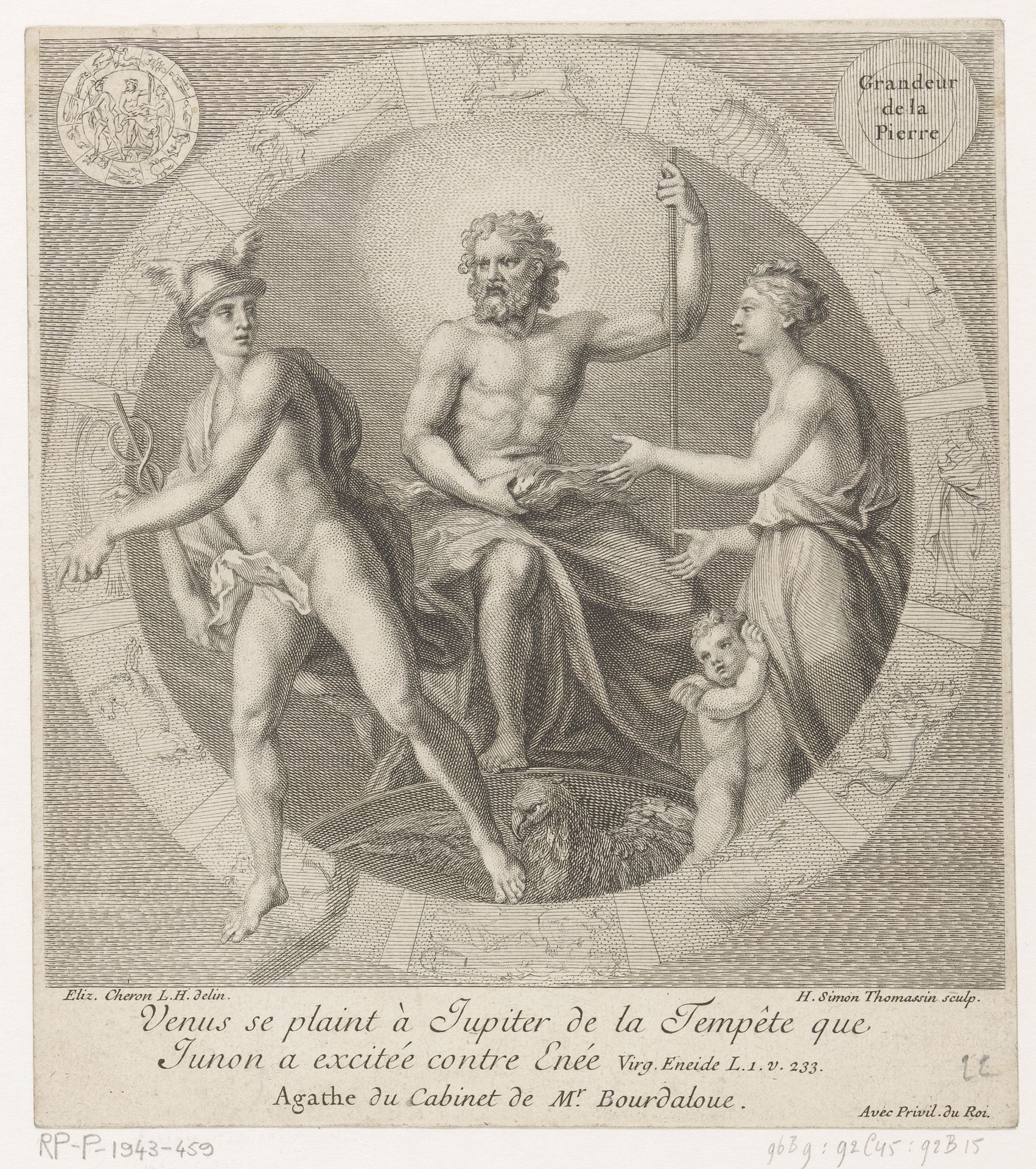
In this engraving, Simon Thomassin depicts Venus appealing to Jupiter about the fate of Aeneas. Jupiter, holding his scepter, is flanked by Venus and Mercury. Around them, the signs of the zodiac and mythological scenes form a celestial border, framing the central narrative. Consider Mercury, messenger of the gods, known for his winged sandals and caduceus. We see him throughout time—from ancient Roman sculptures to Renaissance paintings—always as a symbol of swift communication and mediation, yet his role shifts. The caduceus, entwined with snakes, was originally a symbol of healing. However, with the passage of time, it has been reinterpreted and adopted by mercantile and commercial entities. This metamorphosis reveals a fascinating aspect of cultural memory. Symbols may be charged with new meanings as societies evolve. The image's composition, rich with classical figures, acts as a window into the emotional turmoil of Aeneas's journey, engaging viewers on a subconscious level. We are drawn to the interplay between divine intervention and human destiny. The symbols persist through time, and their meanings are ever transformed through the cultural lens of each epoch.
Venus beklaagt zich bij Jupiter over het lot van Aeneas
1665 - 1733

Simon Thomassin
1655 - 1733Location
RijksmuseumArtwork details
- Medium
- print, engraving
- Dimensions
- height 206 mm, width 183 mm
- Location
- Rijksmuseum
- Copyright
- Rijks Museum: Open Domain
Tags
Comments
Share your thoughts
About this artwork
In this engraving, Simon Thomassin depicts Venus appealing to Jupiter about the fate of Aeneas. Jupiter, holding his scepter, is flanked by Venus and Mercury. Around them, the signs of the zodiac and mythological scenes form a celestial border, framing the central narrative. Consider Mercury, messenger of the gods, known for his winged sandals and caduceus. We see him throughout time—from ancient Roman sculptures to Renaissance paintings—always as a symbol of swift communication and mediation, yet his role shifts. The caduceus, entwined with snakes, was originally a symbol of healing. However, with the passage of time, it has been reinterpreted and adopted by mercantile and commercial entities. This metamorphosis reveals a fascinating aspect of cultural memory. Symbols may be charged with new meanings as societies evolve. The image's composition, rich with classical figures, acts as a window into the emotional turmoil of Aeneas's journey, engaging viewers on a subconscious level. We are drawn to the interplay between divine intervention and human destiny. The symbols persist through time, and their meanings are ever transformed through the cultural lens of each epoch.
Comments
Share your thoughts