About this artwork
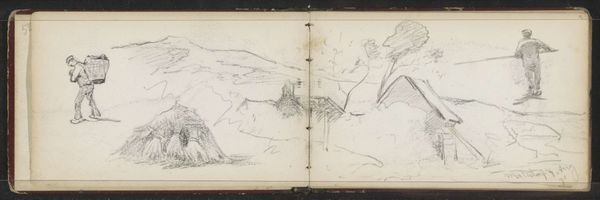
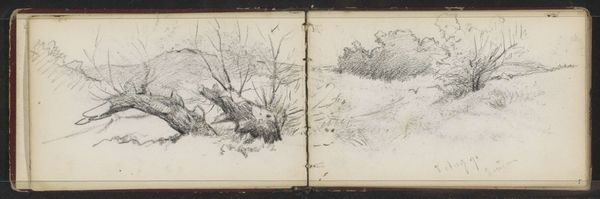
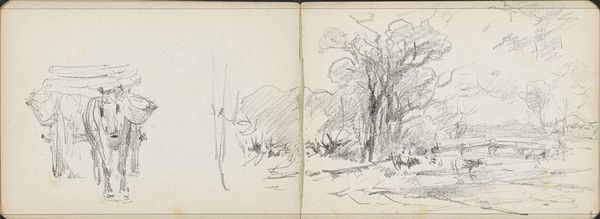
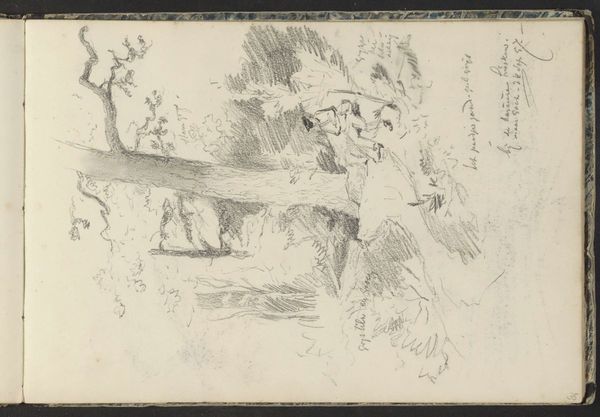
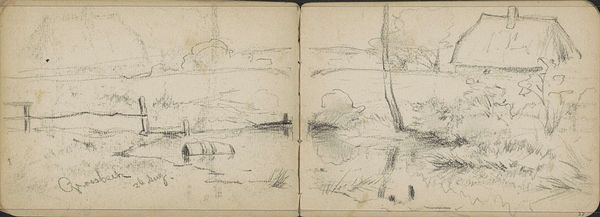
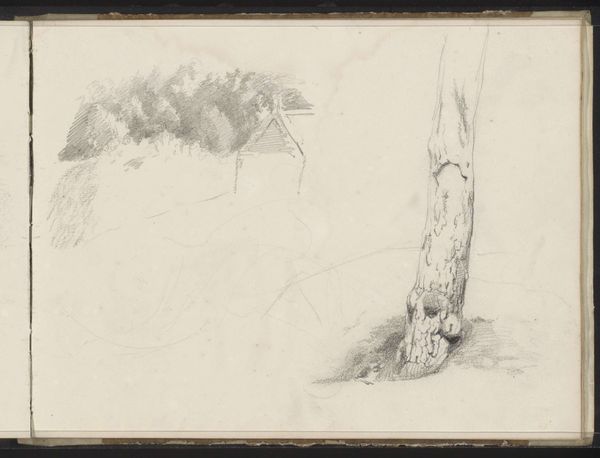
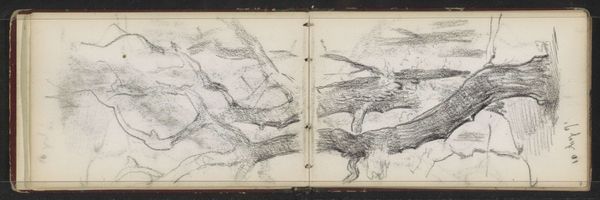
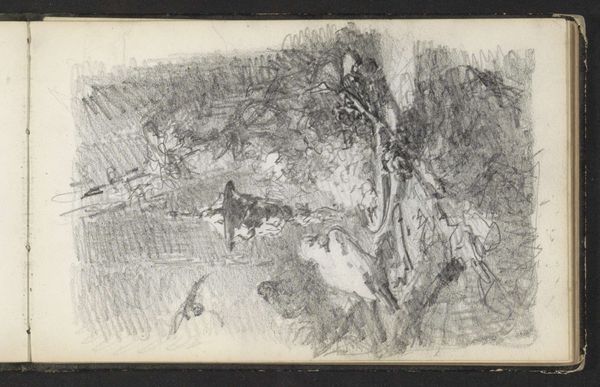
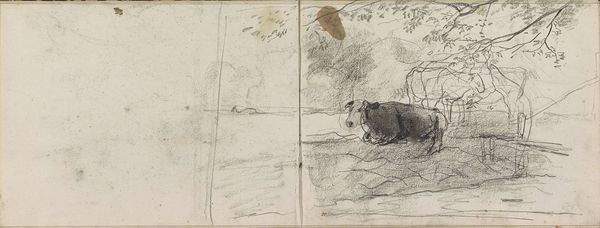
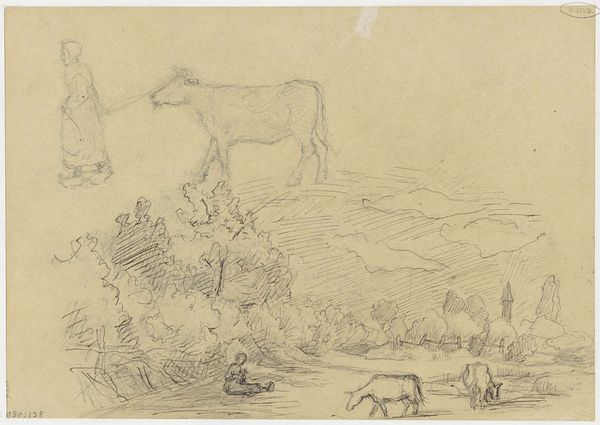
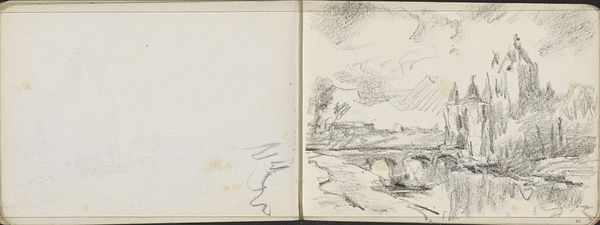
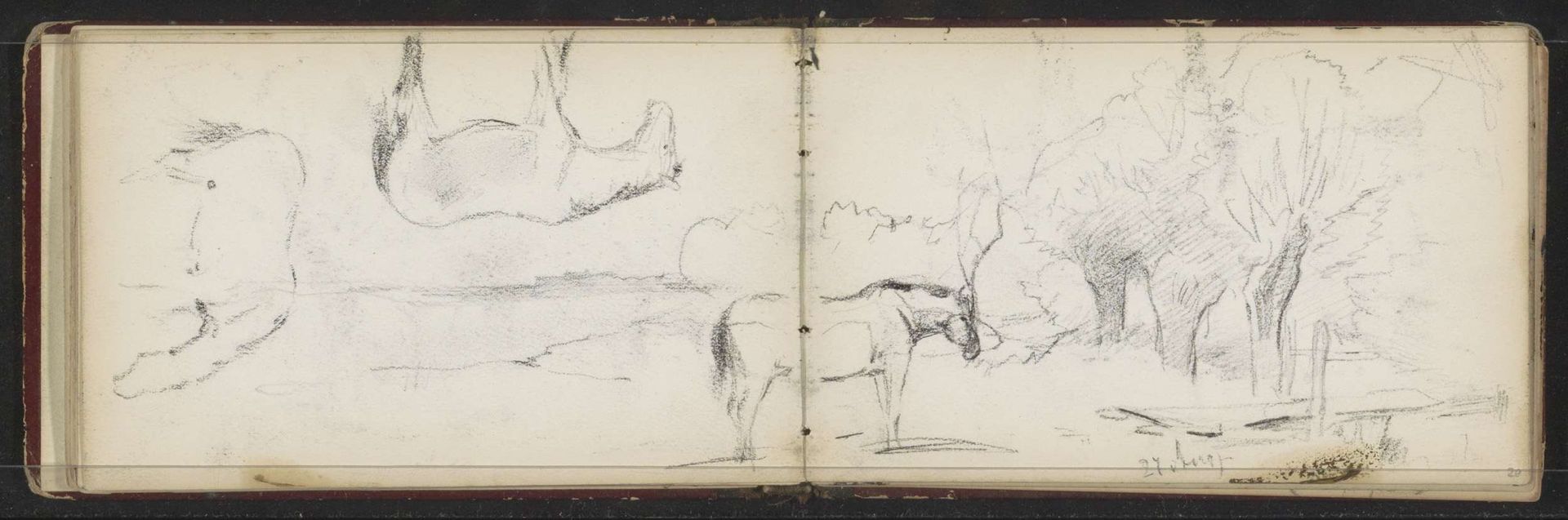
Willem Cornelis Rip created this pencil drawing titled "Paard in een weide," or "Horse in a Meadow," likely in the late 19th or early 20th century. Rip, a Dutch artist, captured rural life and landscapes, reflecting the increasing urbanization of the Netherlands at the time. The sketch, with its loose lines and quick strokes, suggests a fleeting moment, a snapshot of the Dutch countryside. Such direct studies from nature became increasingly common, and many artists worked ‘en plein air’ – directly in front of the motif. The horse, a symbol of rural life and labor, is depicted in a seemingly idle state, grazing in the meadow. This imagery can be read as either celebrating or idealizing the agrarian past, in comparison to the industrialized present. Rip, like many artists of his time, was working within a complex cultural moment, negotiating the shifting relationship between the urban and the rural, the modern and the traditional. As art historians, understanding Rip's artistic choices requires researching the artistic and cultural contexts of the Netherlands during his time. By examining exhibition records, critical reviews, and other period documents, we can gain a deeper understanding of the social values and beliefs that informed Rip's work.

Artwork details
- Medium
- drawing, pencil
- Dimensions
- height 101 mm, width 157 mm
- Copyright
- Rijks Museum: Open Domain
Tags
Comments
Share your thoughts
About this artwork
Willem Cornelis Rip created this pencil drawing titled "Paard in een weide," or "Horse in a Meadow," likely in the late 19th or early 20th century. Rip, a Dutch artist, captured rural life and landscapes, reflecting the increasing urbanization of the Netherlands at the time. The sketch, with its loose lines and quick strokes, suggests a fleeting moment, a snapshot of the Dutch countryside. Such direct studies from nature became increasingly common, and many artists worked ‘en plein air’ – directly in front of the motif. The horse, a symbol of rural life and labor, is depicted in a seemingly idle state, grazing in the meadow. This imagery can be read as either celebrating or idealizing the agrarian past, in comparison to the industrialized present. Rip, like many artists of his time, was working within a complex cultural moment, negotiating the shifting relationship between the urban and the rural, the modern and the traditional. As art historians, understanding Rip's artistic choices requires researching the artistic and cultural contexts of the Netherlands during his time. By examining exhibition records, critical reviews, and other period documents, we can gain a deeper understanding of the social values and beliefs that informed Rip's work.
Comments
Share your thoughts