About this artwork
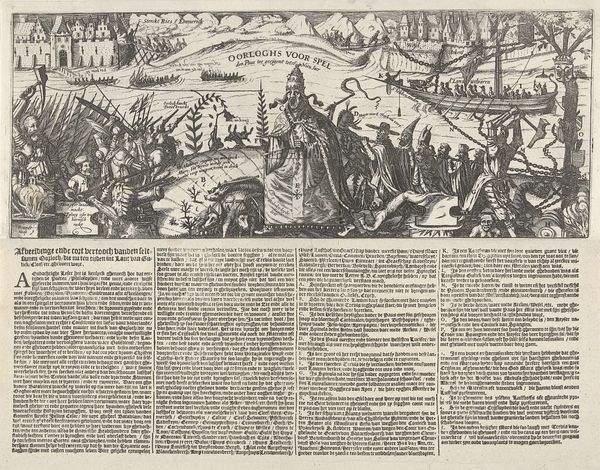
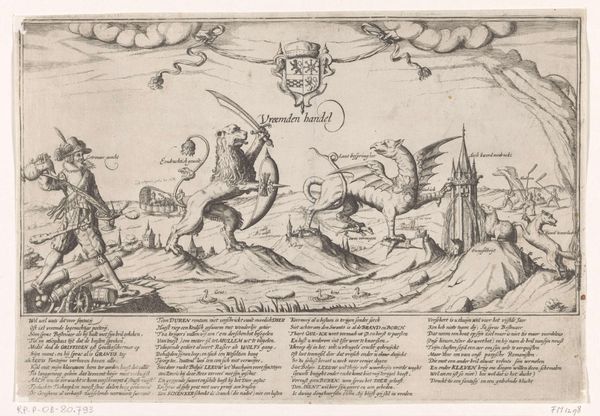
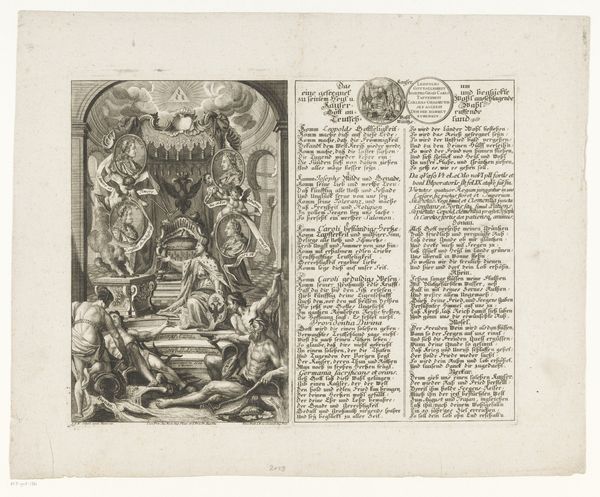
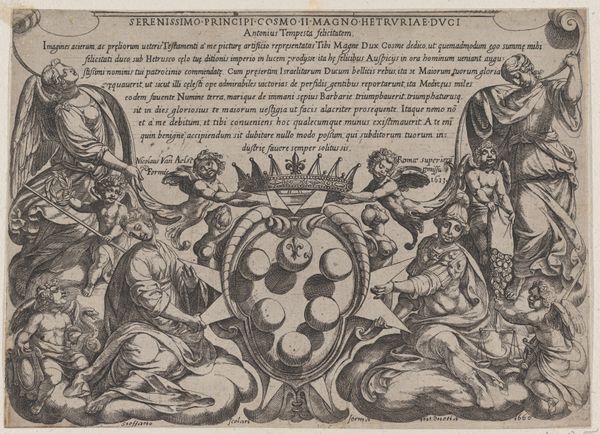
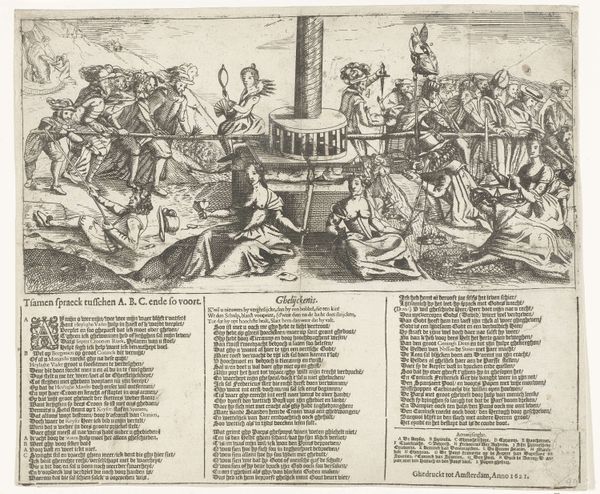
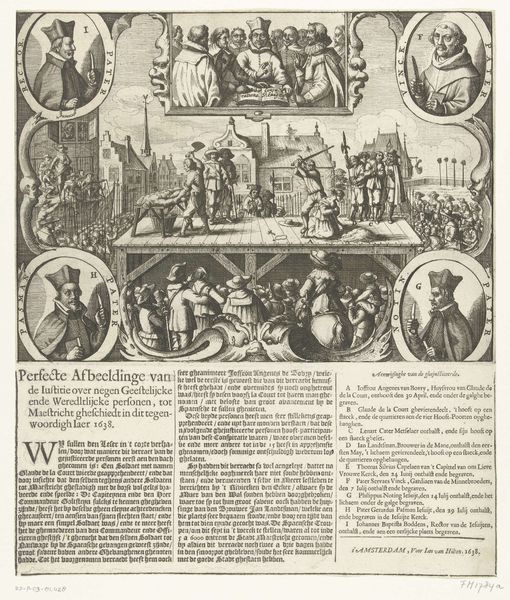
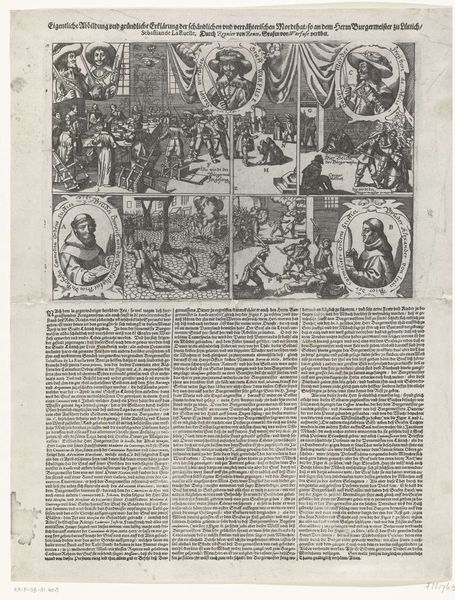
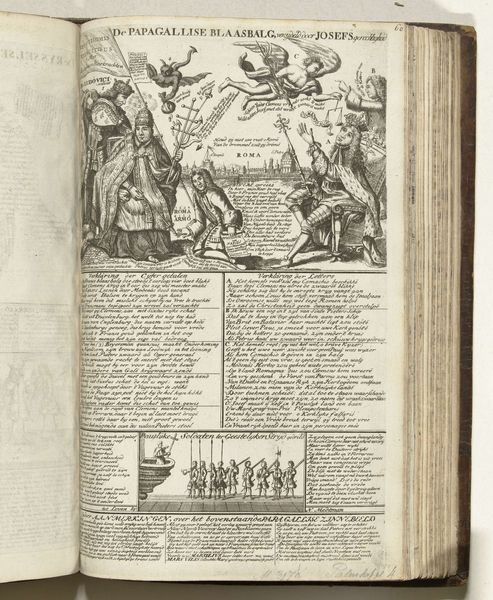
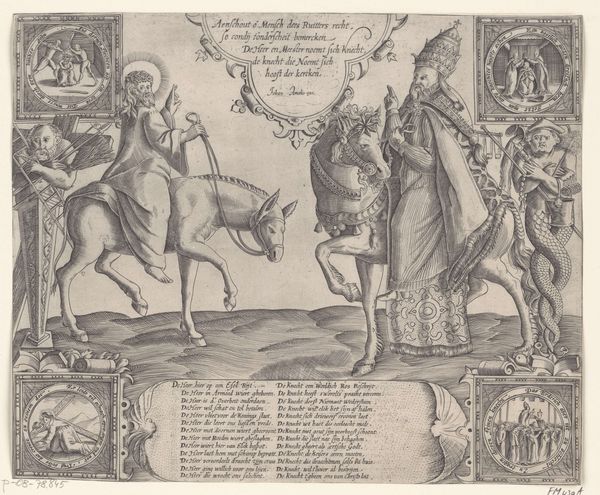
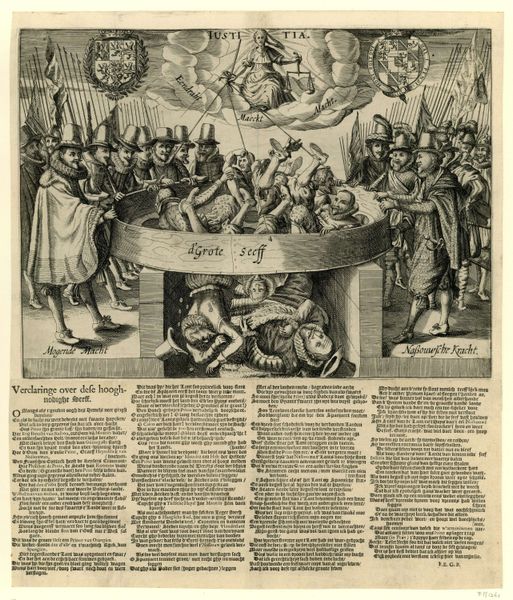
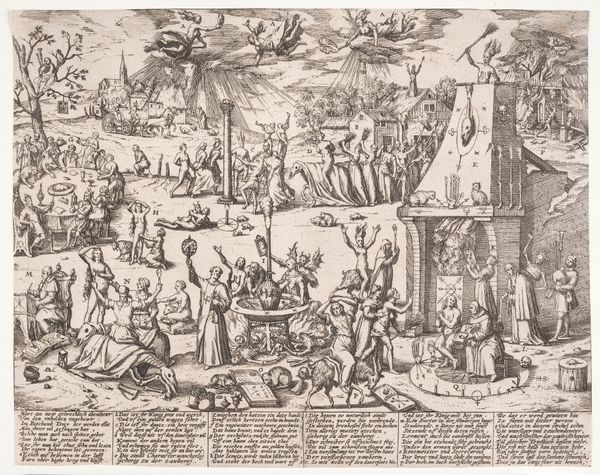
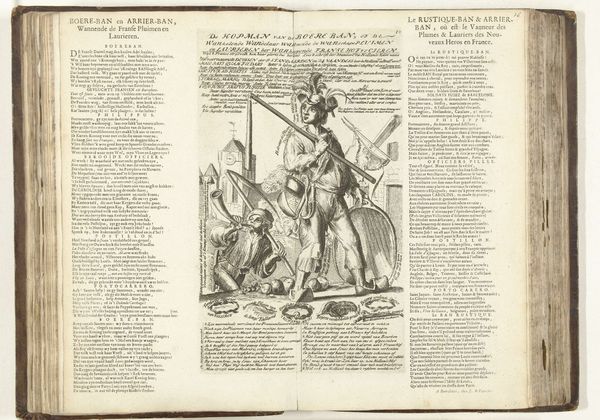
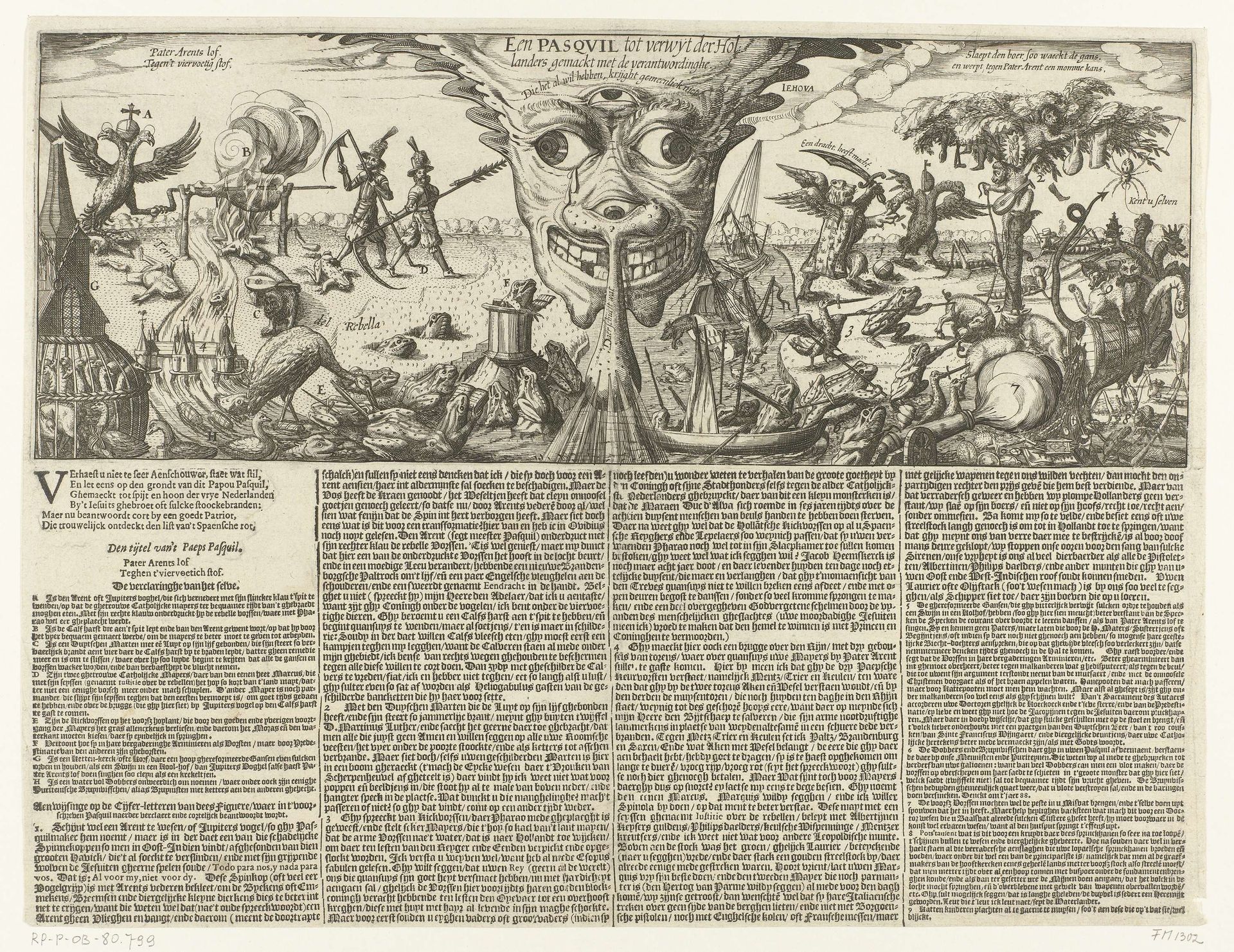
This print, “Antwoord op een paskwil van pater Arent tegen de Hollanders,” was made in 1615 by an anonymous artist using etching and engraving. These are both essentially linear techniques. The artist would have used a sharp tool to cut lines into a metal plate, which was then inked and printed, transferring the image onto paper. The material qualities of the print are critical to its political impact. The sharp, graphic nature of the lines lends itself well to satire, allowing for the clear depiction of grotesque figures and allegorical scenes. The relative ease of printmaking, compared to painting or sculpture, meant that images like this could be widely disseminated, influencing public opinion. Consider the labor involved: from the initial design and engraving to the printing process itself, this artwork represents a significant investment of time and skill. It reflects a society where visual communication was becoming increasingly important, and where printed images played a crucial role in shaping social and political discourse.
Antwoord op een paskwil van pater Arent tegen de Hollanders, 1615
1615

Anonymous
@anonymousLocation
RijksmuseumArtwork details
- Dimensions
- height 315 mm, width 411 mm
- Location
- Rijksmuseum
- Copyright
- Rijks Museum: Open Domain
Tags
Comments
Share your thoughts
About this artwork
This print, “Antwoord op een paskwil van pater Arent tegen de Hollanders,” was made in 1615 by an anonymous artist using etching and engraving. These are both essentially linear techniques. The artist would have used a sharp tool to cut lines into a metal plate, which was then inked and printed, transferring the image onto paper. The material qualities of the print are critical to its political impact. The sharp, graphic nature of the lines lends itself well to satire, allowing for the clear depiction of grotesque figures and allegorical scenes. The relative ease of printmaking, compared to painting or sculpture, meant that images like this could be widely disseminated, influencing public opinion. Consider the labor involved: from the initial design and engraving to the printing process itself, this artwork represents a significant investment of time and skill. It reflects a society where visual communication was becoming increasingly important, and where printed images played a crucial role in shaping social and political discourse.
Comments
Share your thoughts