About this artwork
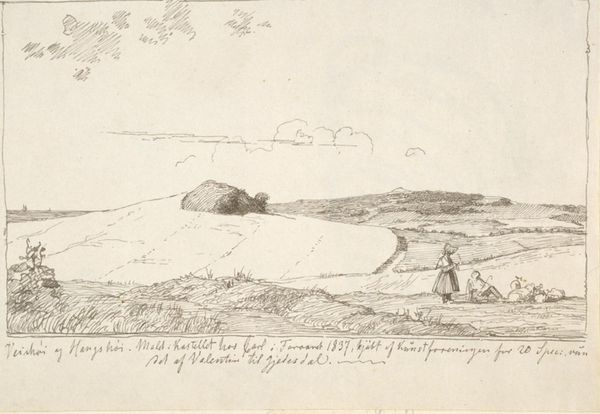
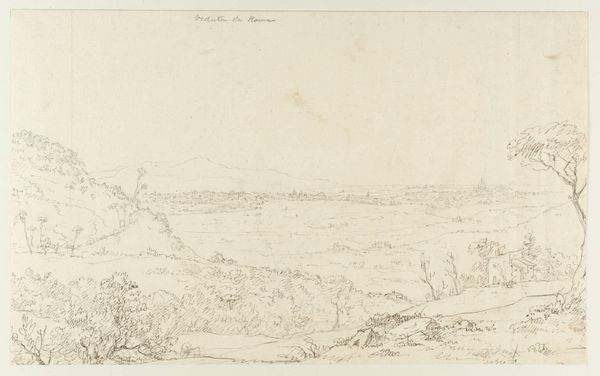
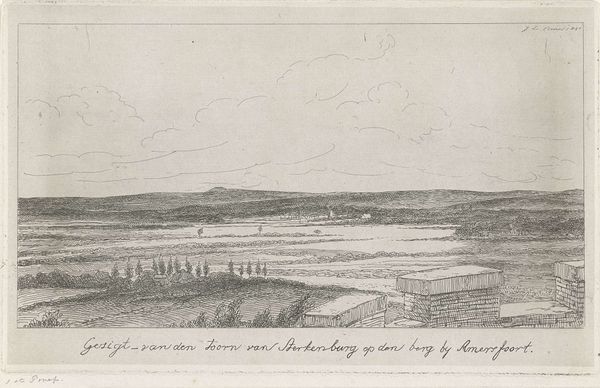
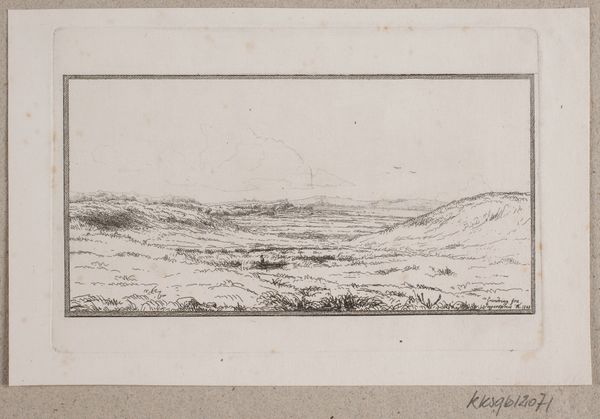
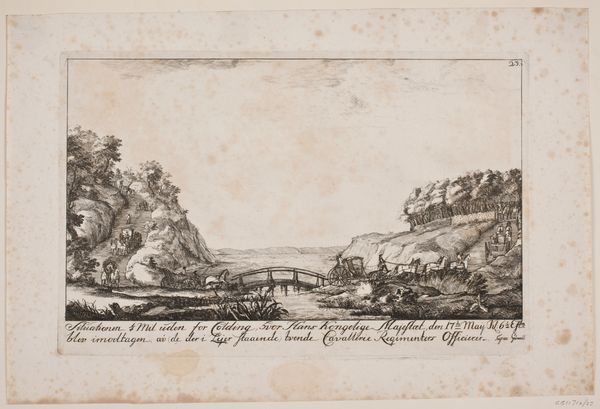
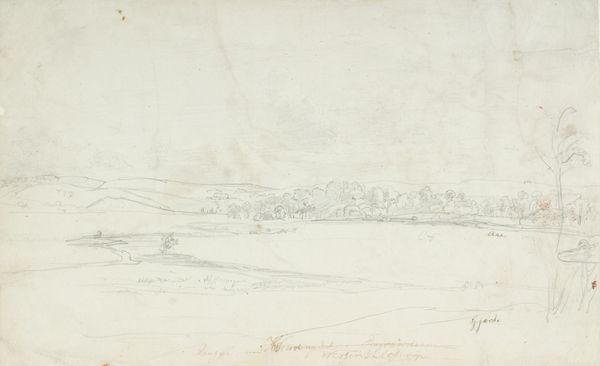
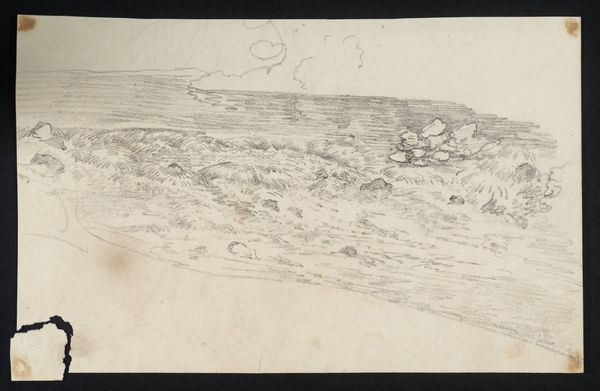
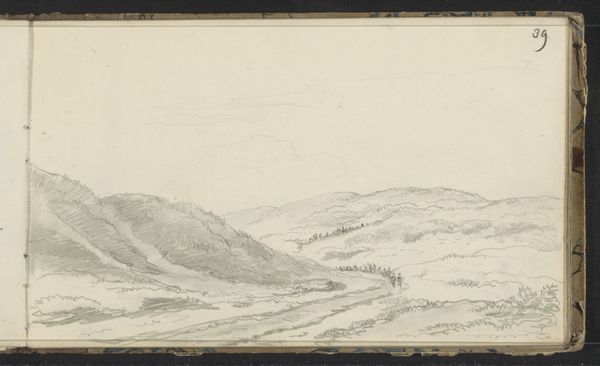
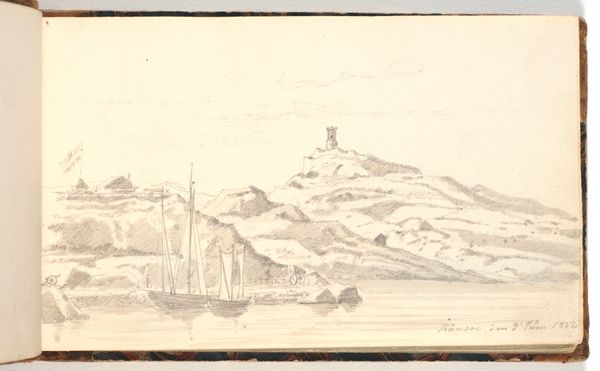
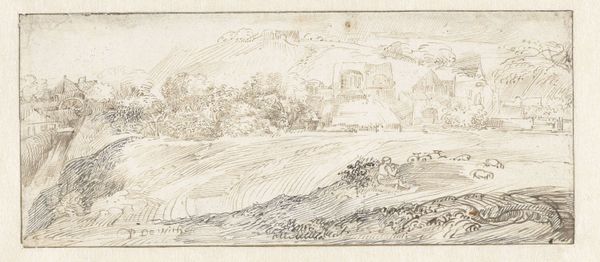
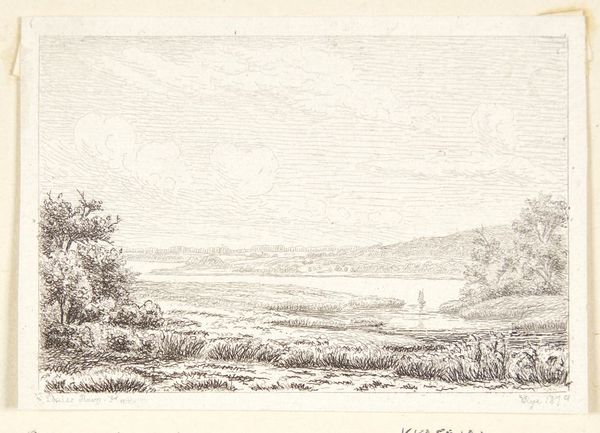
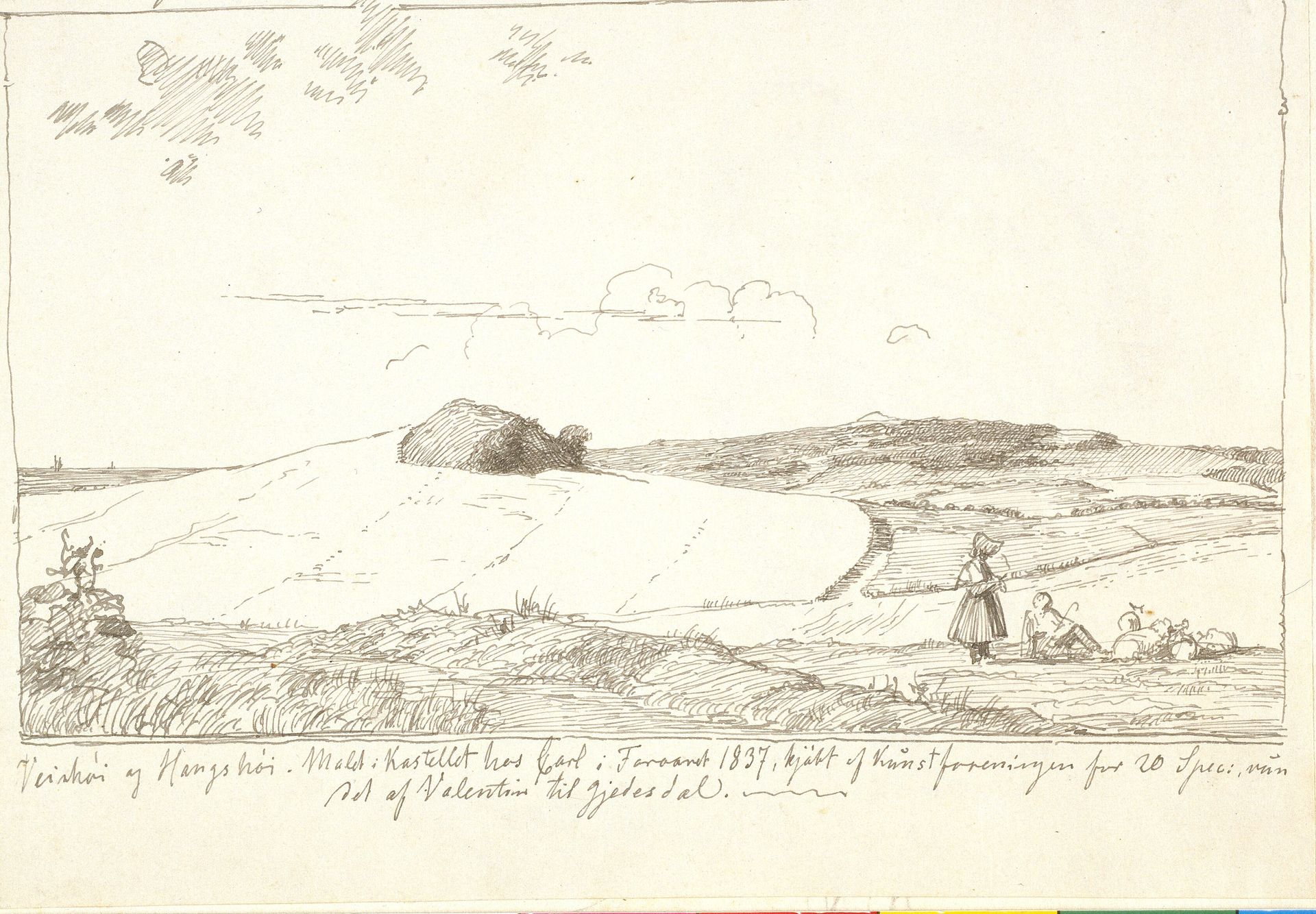
Johan Thomas Lundbye created this drawing, "Liber Veritatis", around 1837, using pen and ink on paper. It's part of a series of drawings and watercolors after his own paintings. Lundbye was working in a period of Danish nationalism, and his landscapes often reflect a desire to capture the essence of the Danish countryside. Here, we see an image of rural life, with figures tending to sheep in a field. These pastoral scenes were closely tied to the political climate of the time, a moment when artists sought to define a national identity through depictions of their homeland. The title "Liber Veritatis," or "Book of Truth," references a practice of artists creating a record of their work. Lundbye was associated with the Royal Danish Academy of Fine Arts, which played a key role in shaping artistic taste. By looking at his drawings alongside other cultural records, we can learn more about art as a product of the social and institutional forces of its time.
Liber Veritatis. Tegninger og akvareller efter Lundbyes malerier fra 1834 og frem
1834 - 1848


Artwork details
- Medium
- drawing, pencil
- Dimensions
- 315 mm (height) x 252 mm (width) x 8 mm (depth) (monteringsmaal)
- Location
- SMK - Statens Museum for Kunst
Tags
Comments
Share your thoughts
About this artwork
Johan Thomas Lundbye created this drawing, "Liber Veritatis", around 1837, using pen and ink on paper. It's part of a series of drawings and watercolors after his own paintings. Lundbye was working in a period of Danish nationalism, and his landscapes often reflect a desire to capture the essence of the Danish countryside. Here, we see an image of rural life, with figures tending to sheep in a field. These pastoral scenes were closely tied to the political climate of the time, a moment when artists sought to define a national identity through depictions of their homeland. The title "Liber Veritatis," or "Book of Truth," references a practice of artists creating a record of their work. Lundbye was associated with the Royal Danish Academy of Fine Arts, which played a key role in shaping artistic taste. By looking at his drawings alongside other cultural records, we can learn more about art as a product of the social and institutional forces of its time.
Comments
Share your thoughts