About this artwork
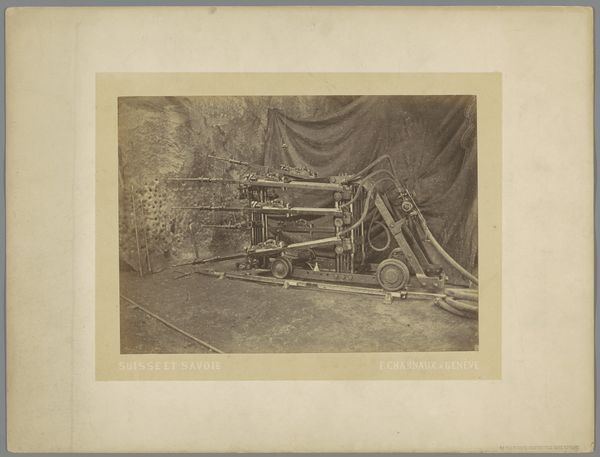
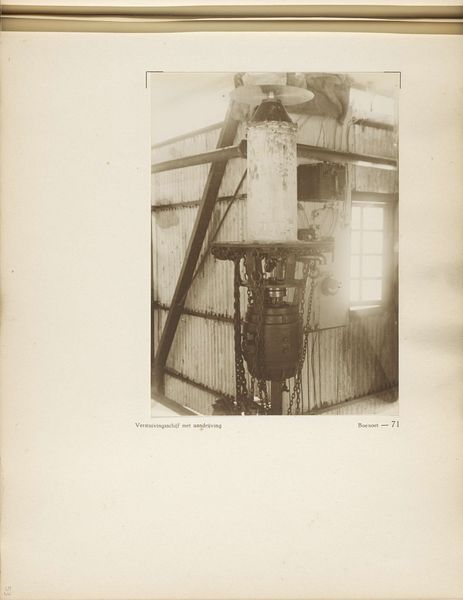
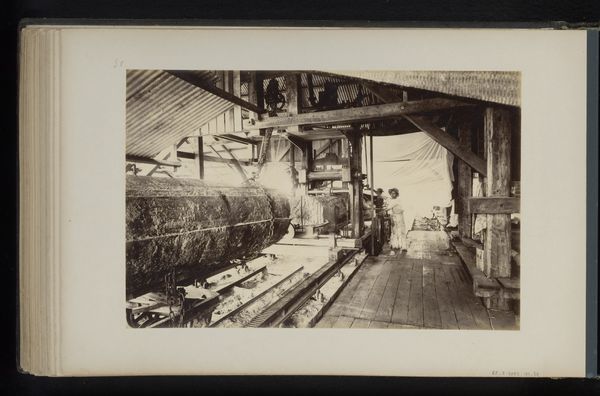
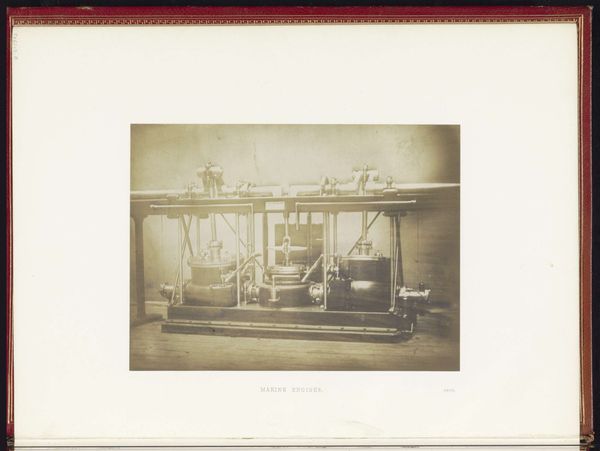
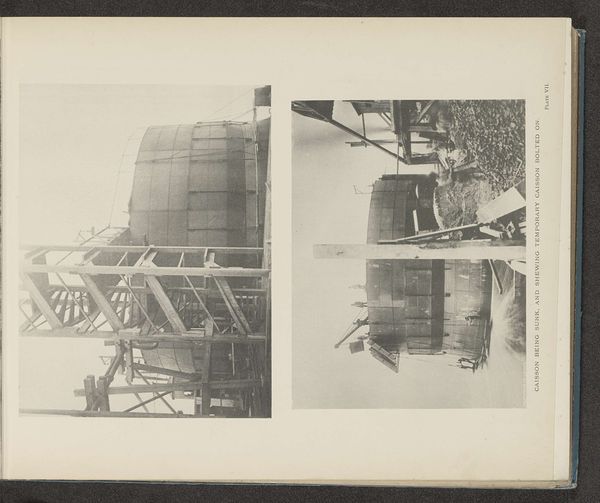
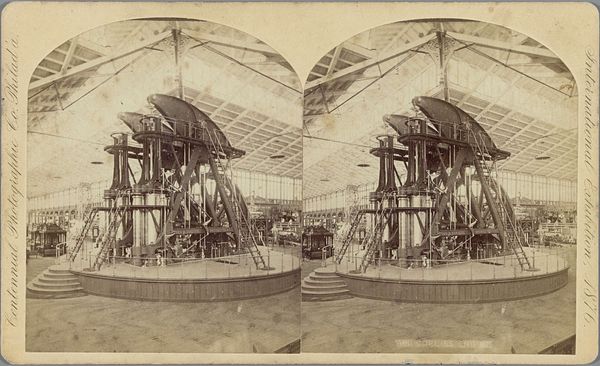
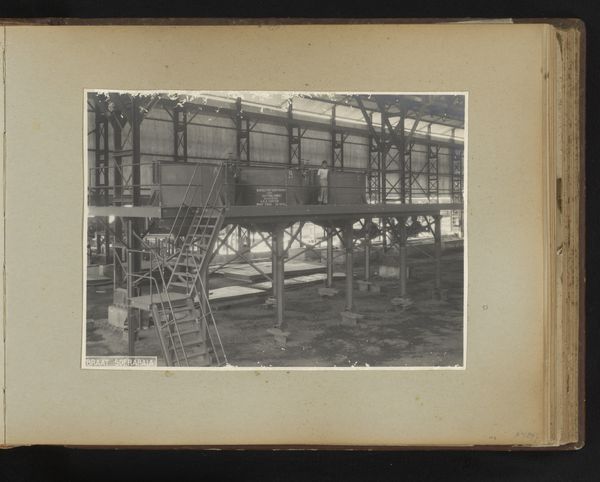
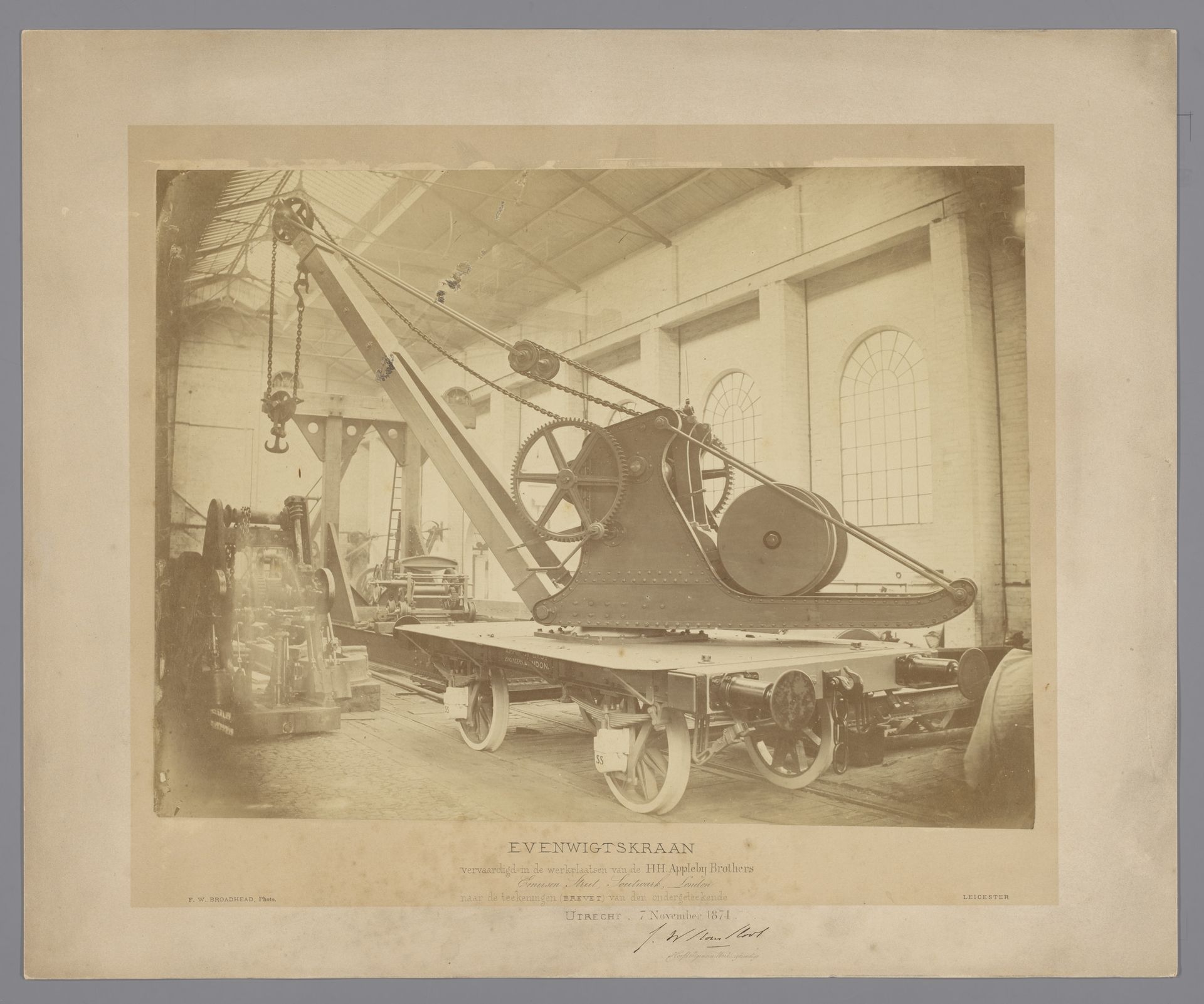
This photographic print depicts an "Evenwichtskraan," or balance crane, made by HH. Appleby Brothers of London. The image speaks volumes about industrial ambition. Steel and iron form the crane's imposing structure, materials that came to define the era. Look at the size and weight of the object; it underscores the immense forces at play in manufacturing at this time. You can almost hear the clanking of metal against metal, and the hissing of steam. The photograph itself, by F.W. Broadhead, serves as a record of this feat of engineering. More than that, it reflects the Victorian-era fascination with technology as progress. It's a proud display of British manufacturing prowess, but also a document of the labor and resources poured into these machines that powered the industrial revolution. By considering the materials and the making of objects like this crane, we gain a better understanding of the values that shaped our world, blurring the lines between art, craft, and industry.
"Evenwichtskraan", vervaardigd door HH. Appleby Brothers, Londen, Engeland
c. 1874

Artwork details
- Medium
- photography
- Dimensions
- height 496 mm, width 395 mm, height 496 mm, width 395 mm
- Copyright
- Rijks Museum: Open Domain
Tags
still-life-photography
photography
Comments
Be the first to share your thoughts about this work.
About this artwork
This photographic print depicts an "Evenwichtskraan," or balance crane, made by HH. Appleby Brothers of London. The image speaks volumes about industrial ambition. Steel and iron form the crane's imposing structure, materials that came to define the era. Look at the size and weight of the object; it underscores the immense forces at play in manufacturing at this time. You can almost hear the clanking of metal against metal, and the hissing of steam. The photograph itself, by F.W. Broadhead, serves as a record of this feat of engineering. More than that, it reflects the Victorian-era fascination with technology as progress. It's a proud display of British manufacturing prowess, but also a document of the labor and resources poured into these machines that powered the industrial revolution. By considering the materials and the making of objects like this crane, we gain a better understanding of the values that shaped our world, blurring the lines between art, craft, and industry.
Comments
Be the first to share your thoughts about this work.