1535 - 1540
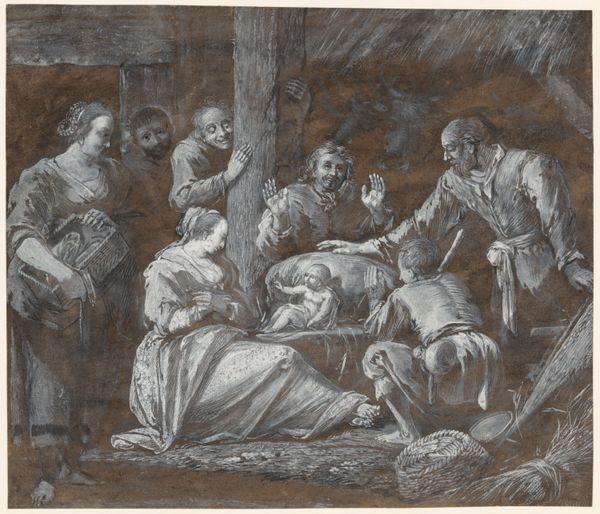
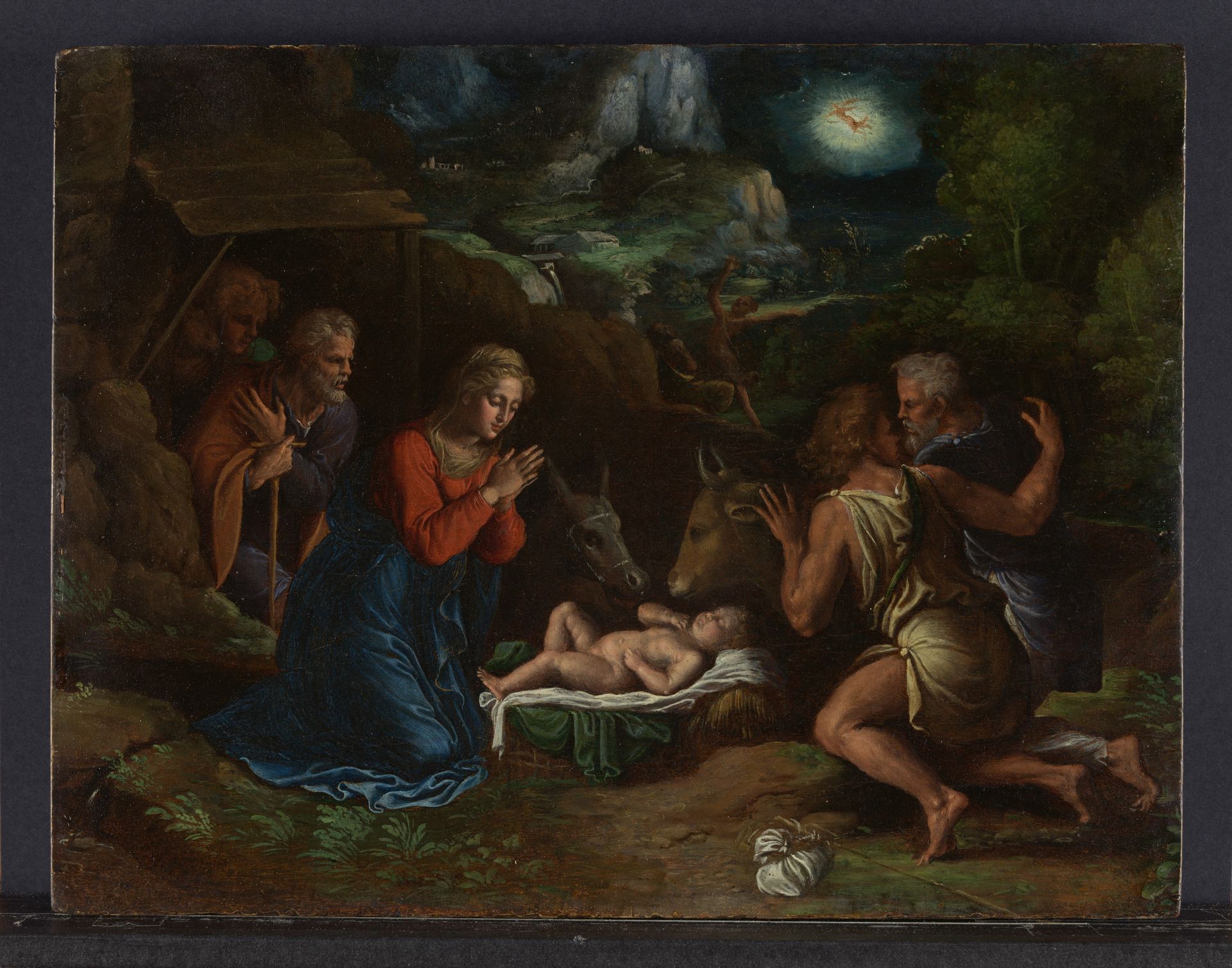
The Adoration of the Shepherds

Girolamo da Carpi (Girolamo Sellari)
1501 - 1556
The Metropolitan Museum of Art
Metropolitan Museum of Art, New York, NYListen to curator's interpretation
Curatorial notes
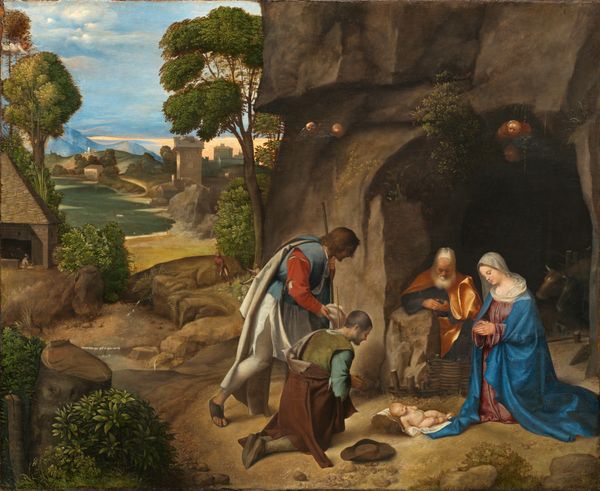
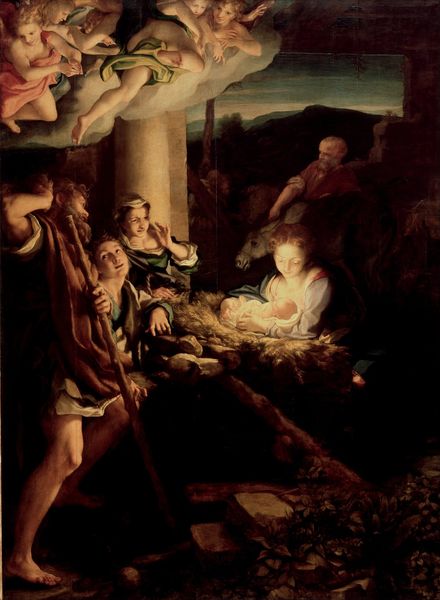
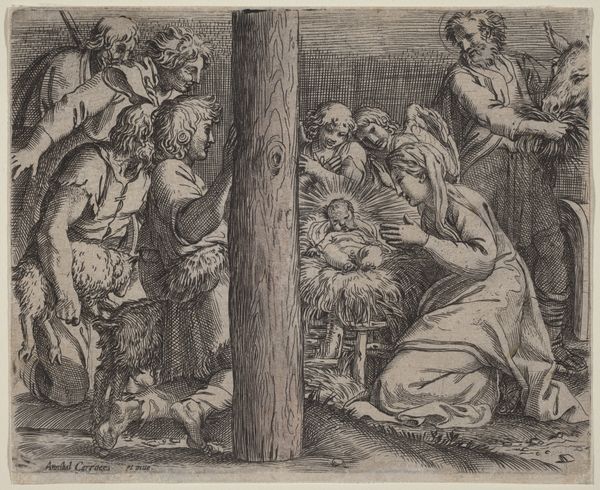
Curator: Here we have Girolamo da Carpi’s oil on panel, "The Adoration of the Shepherds", dating from about 1535 to 1540. What's your immediate take on this one? Editor: It’s… theatrical, almost stage-lit. The drama is cranked up with that single light source breaking through the darkness. I notice also a tension between idealized figures and rather… earthly surroundings. Curator: Precisely. It is a potent piece of Italian Renaissance painting. The shepherd's adoration here isn’t just about reverence; it’s also very much about humanity's raw connection to the divine. Notice the use of impasto; that tangible materiality… Editor: That materiality underscores everything! Look at those shepherds practically falling over themselves, straining, and leaning, and I keep wondering about Carpi's choice of materials – the cost of pigments, where the panel came from, and what kind of workshop he was running. Those things shape our encounters, too. It makes one wonder: what did those raw materials cost in terms of labour? Curator: Absolutely. We're grounded in the practical realities of creation. Still, observe how the landscape plays almost a character too, sheltering this momentous event. It seems at once very present yet timeless, almost dreaming its way to this specific moment. And consider the figures' gestures... Editor: Gestures that highlight the social relationships depicted within the narrative and across social groups—between those who made the oil, the shepherd's skin tone in contrast with other, nobler materials. And I like that you pointed out the landscape, because you can appreciate the labor involved not only in grinding stones for the oil paints, but hauling rocks as well... Curator: Yes, these visual components all culminate into something transcendent while staying undeniably human and made, as you say. Thank you! Editor: And thank you for the fresh insights as to the historical perspective, it allowed us to understand it more deeply!