1857
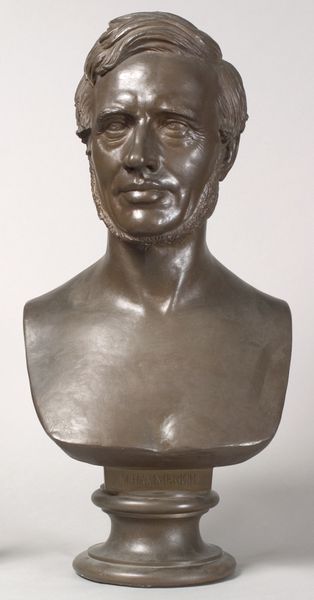
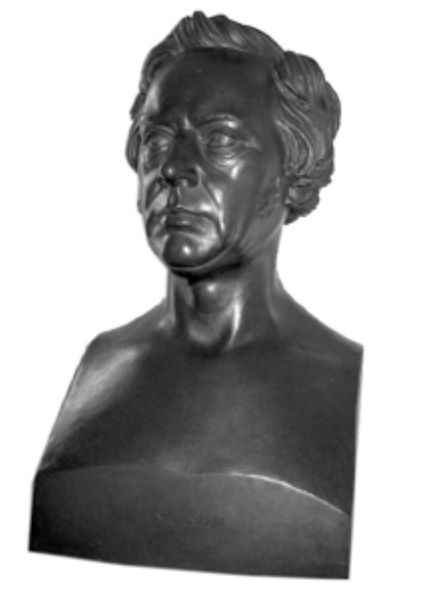
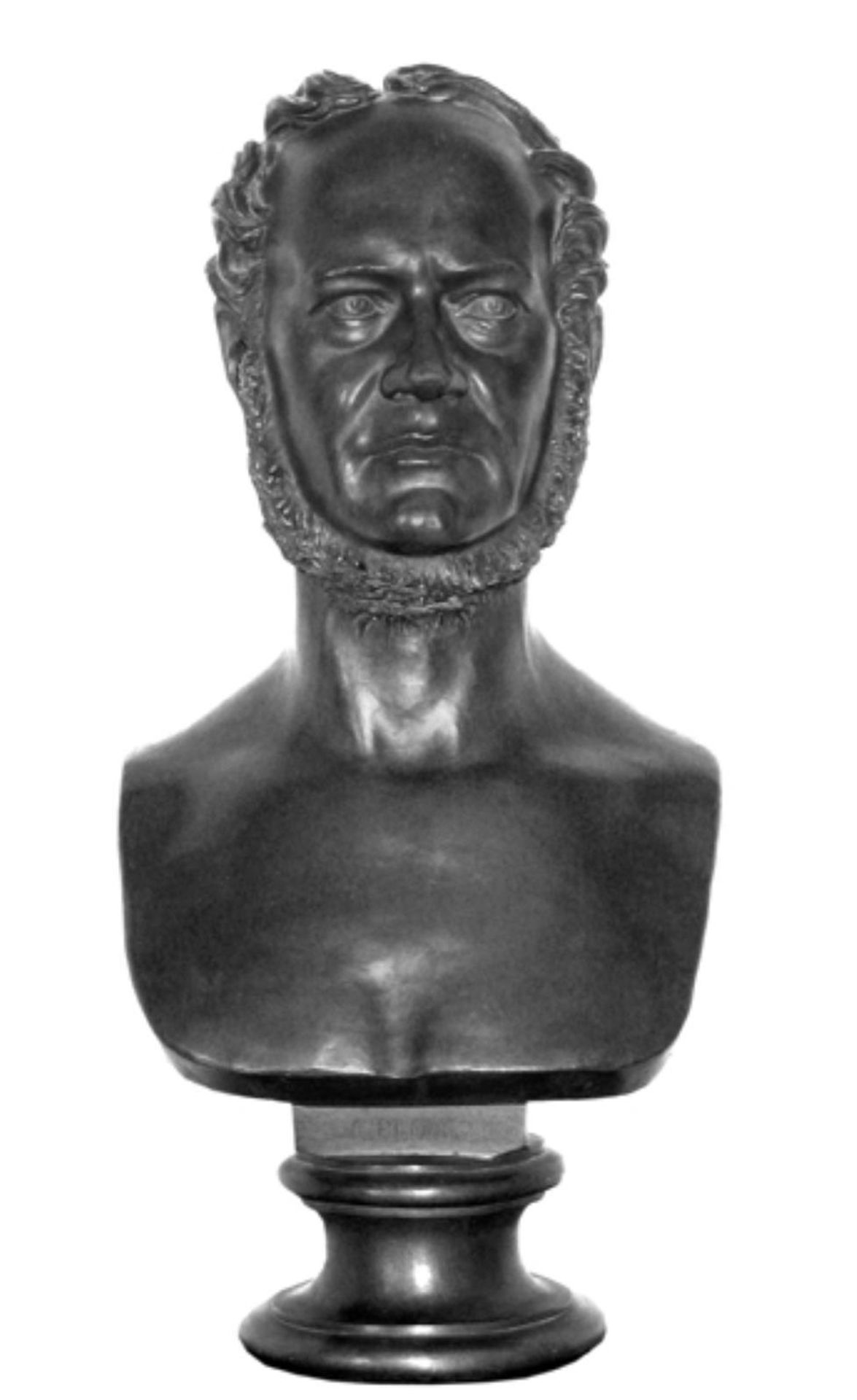
Digteren og politikeren Carl Ploug


Listen to curator's interpretation
Curatorial notes
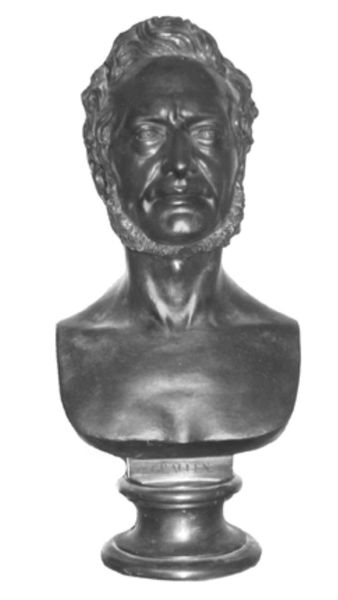
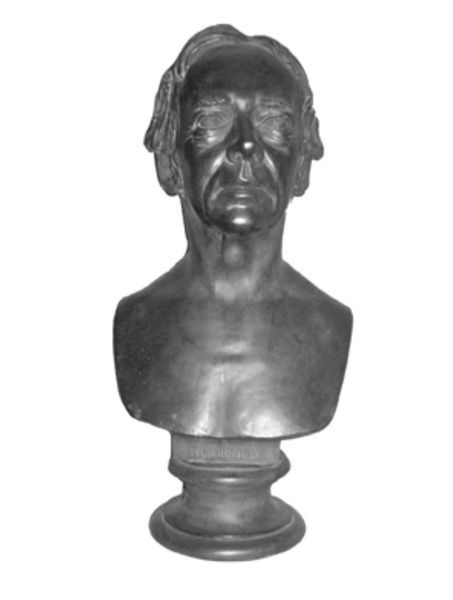
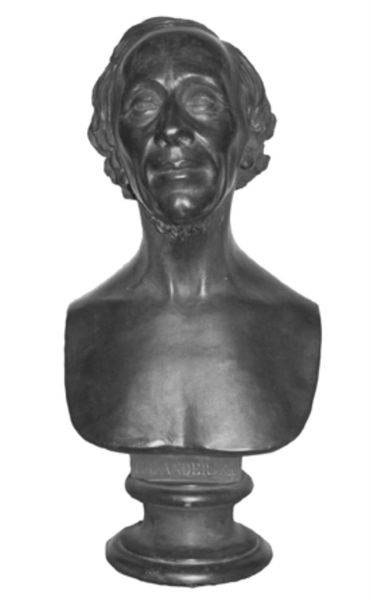
Editor: Here we have a bronze sculpture from 1857, "The Poet and Politician Carl Ploug" by H.W. Bissen. The weight of the bronze and the solemn expression give it a very serious feel. What can you tell me about it? Curator: It certainly does have that stoic presence, doesn’t it? Looking at this, I'm struck by how Bissen captured the very *idea* of a 19th-century intellectual. Forget capturing a fleeting likeness. This is about *immortalizing* a leader. Think of those grand Roman busts – a deliberate echo, wouldn’t you say? Almost as if Bissen is saying "Ploug? He’s not just a politician, he's a new Caesar… of Denmark!". Do you see that subtle realism meeting a craving for some neoclassical heroicism? Editor: Absolutely! There's something inherently timeless about the sculpture. But beyond the historical context, how does the artist’s choice of bronze play into the overall effect? Curator: Ah, good question! Bronze, with its durability and rich patina, lends a sense of permanence, a monumentality. This isn’t some fleeting fancy; it's meant to last. I always wonder what Ploug himself thought. Imagine sitting for Bissen, knowing your face will be forever cast in… well, judgment, in a way. Editor: So, bronze adds to that sense of gravitas and historical weight. I never would have seen it that way if we hadn't spoken about it! Thanks! Curator: My pleasure! That’s the thing about art, isn’t it? The materials whisper secrets of the artist’s intention, inviting us to listen closely.