17th century
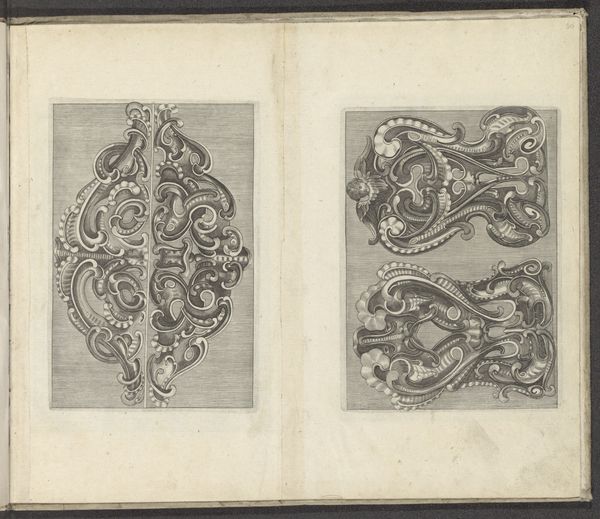
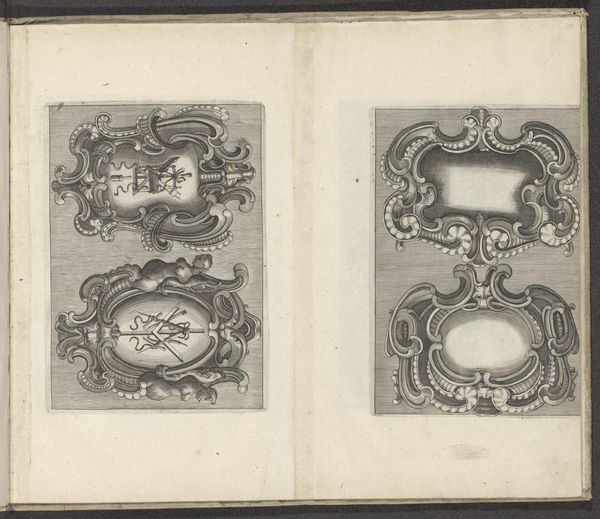
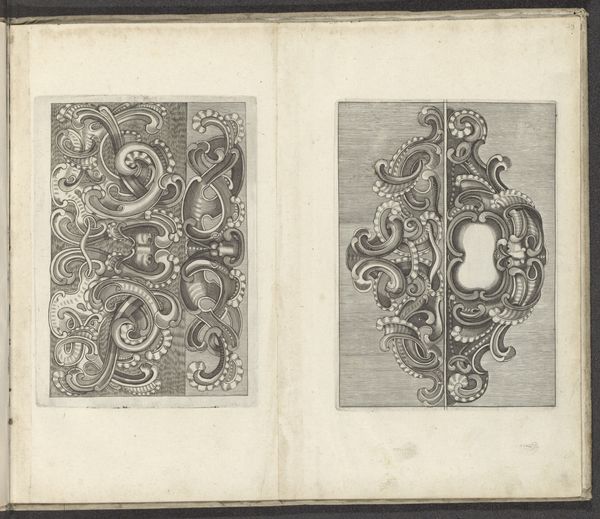
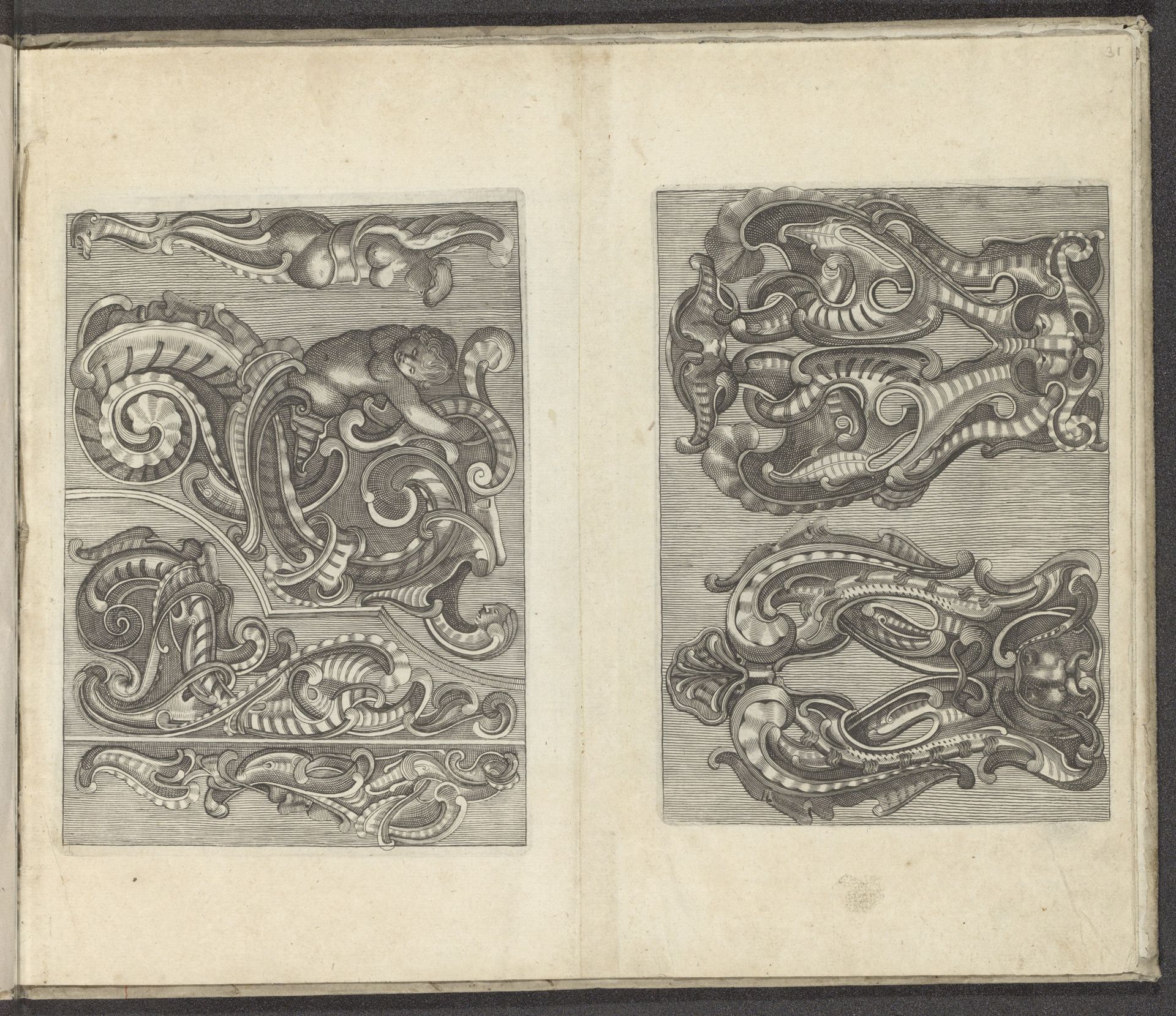
Vier ornamenten en twee rugleuningen in kwabstijl

Listen to curator's interpretation
Curatorial notes
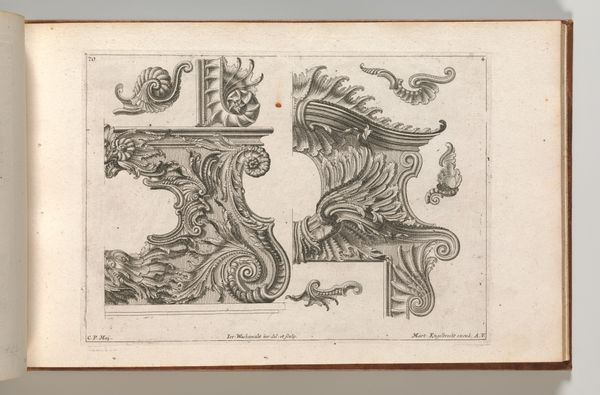
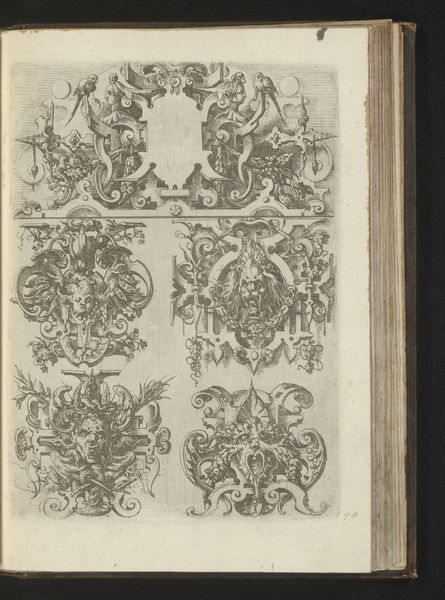
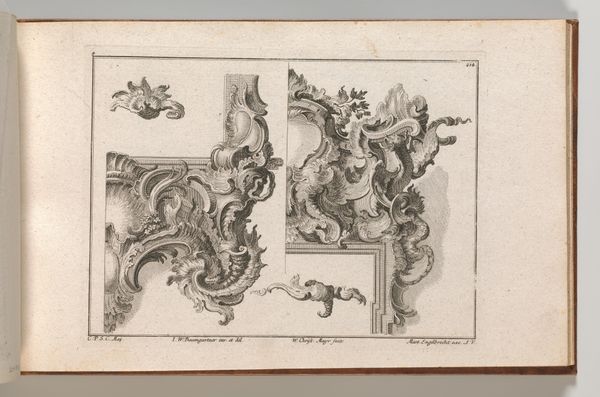
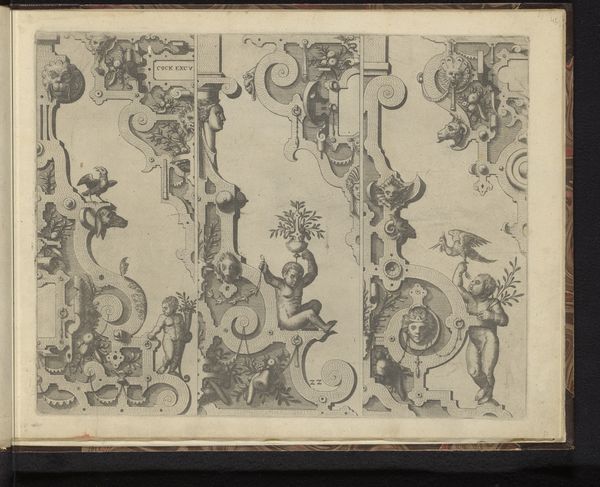
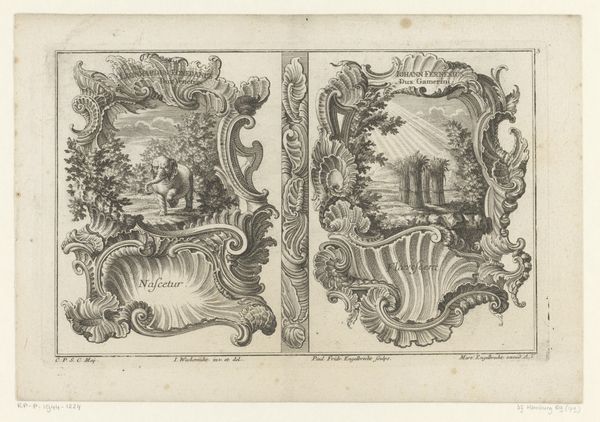
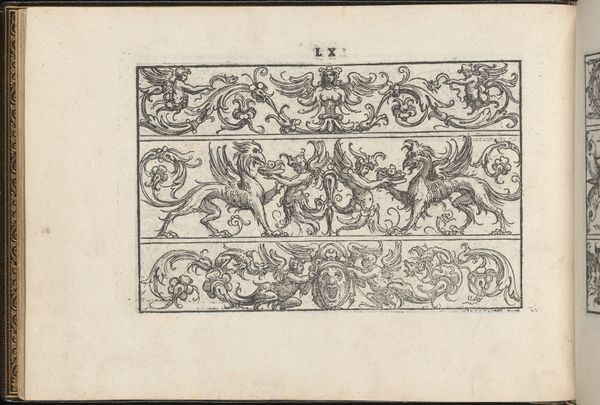
Curator: Immediately I think—escaped sea monsters! There’s something very dynamic, almost unsettling, about the energy in these forms. Editor: You’re drawn in by the dynamism; I see a carefully constructed catalog. We’re looking at a 17th-century pen and ink drawing titled "Vier ornamenten en twee rugleuningen in kwabstijl" or "Four ornaments and two backrests in kwab style". Curator: Kwab style, or auricular style. These writhing, fleshy shapes were everywhere. I imagine an artisan poring over this sketchbook, itching to carve these ideas into wood or stone. Editor: Absolutely. Notice how the anonymous artist uses line weight to create depth? The overlapping and intertwining suggest a constant state of flux. It mirrors the Baroque era’s love of ornamentation, but also the underlying anxieties of a world in dramatic transformation. Curator: It's all so…internal, almost intestinal, but made beautiful. Baroque art gets a reputation for pomp and circumstance, but here, divested of colour, we have the bare bones, or guts, of the style. The seahorse motifs, and other half-recognisable shapes remind us of a cabinet of curiosities, with exotic specimens presented for scrutiny. Editor: The penmanship lends it a feeling of intimacy, like a glimpse into the artist's personal workshop, that idea lab. Those sea creatures resonate; water being the great symbolic realm of the unconscious and untapped potential. Are these architectural flourishes also symbolic yearnings for deeper realities? Curator: That's it! An artistic bridge between earthbound structures and fluid, almost dreamlike realms. Each curve a question. And how human to use what seems grotesque or visceral, and render it ornamental! Editor: Indeed! It invites a fascinating dialogue about the relationship between our interior landscapes and the external forms we create and inhabit. Thank you for expanding our reading. Curator: And thank you for reminding me of the symbolic resonance that always echoes through the visual world.