1828 - 1830
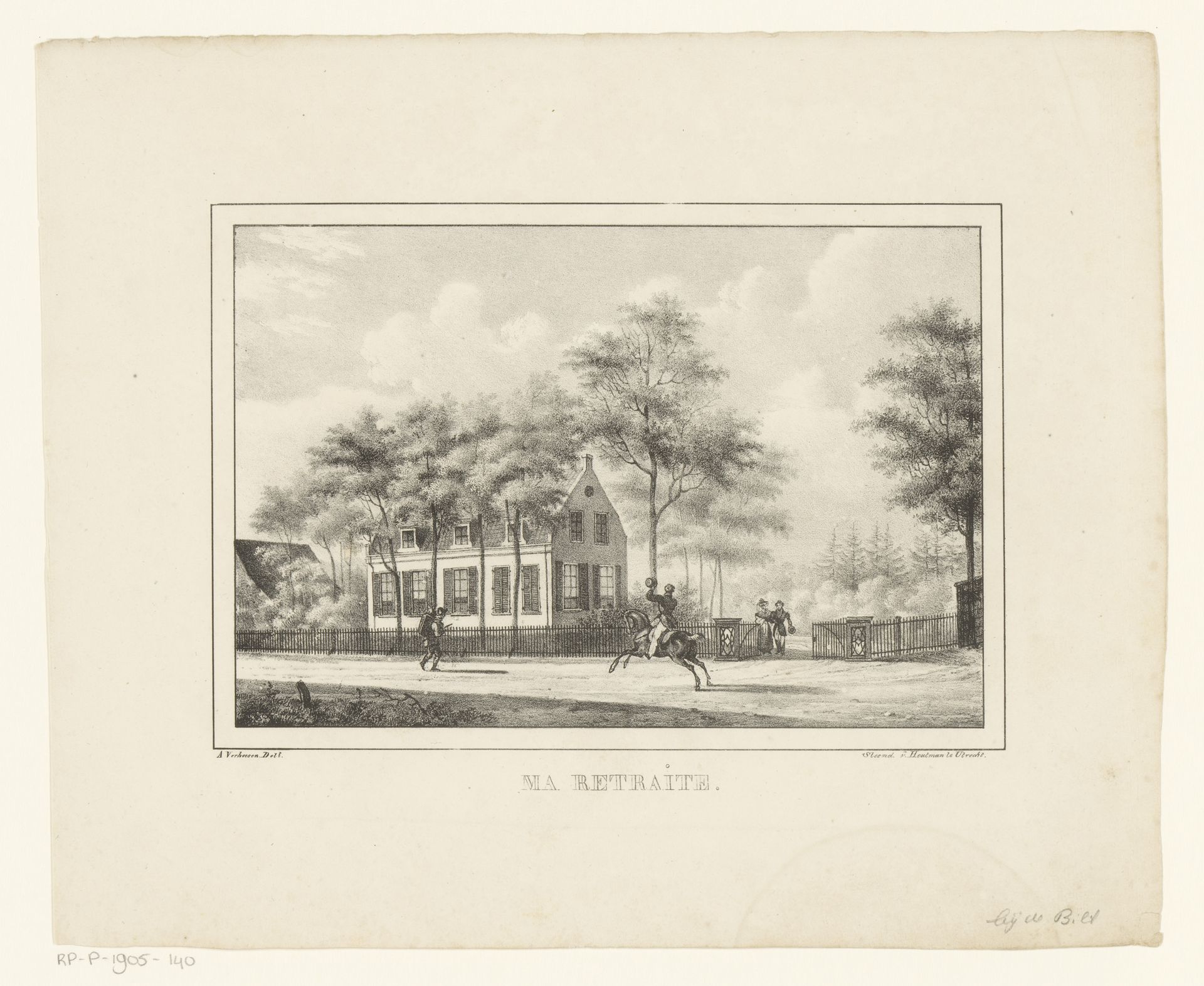
Ma Retraite te Zeist

Albertus Verhoesen
1806 - 1881Location
RijksmuseumListen to curator's interpretation
Curatorial notes
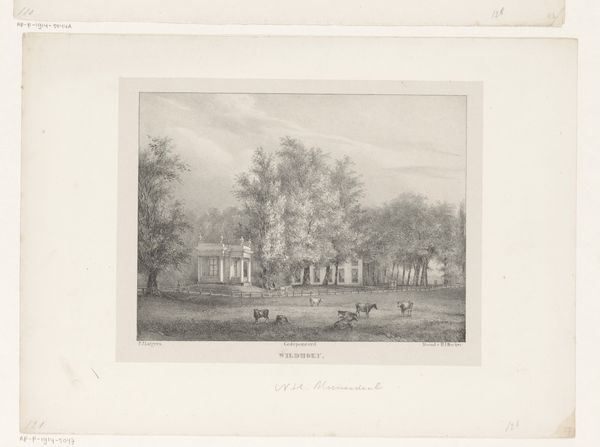
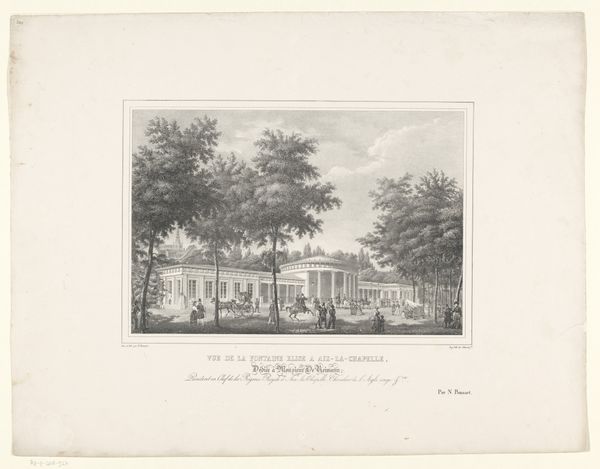
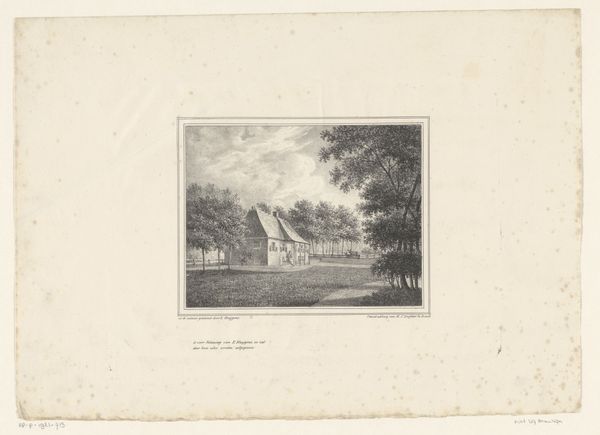
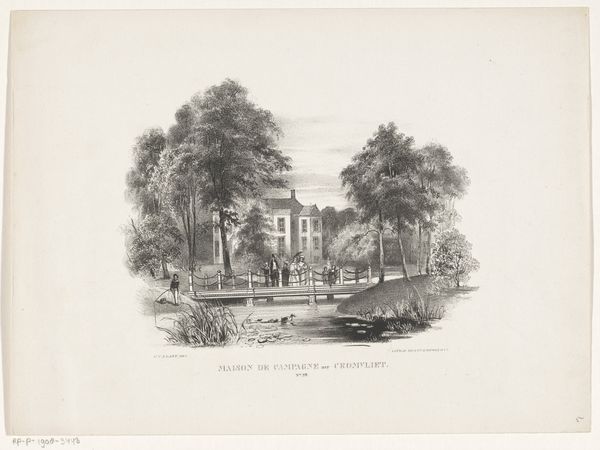
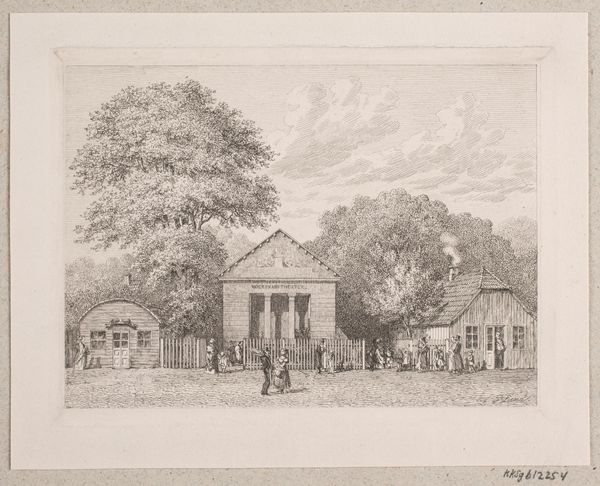
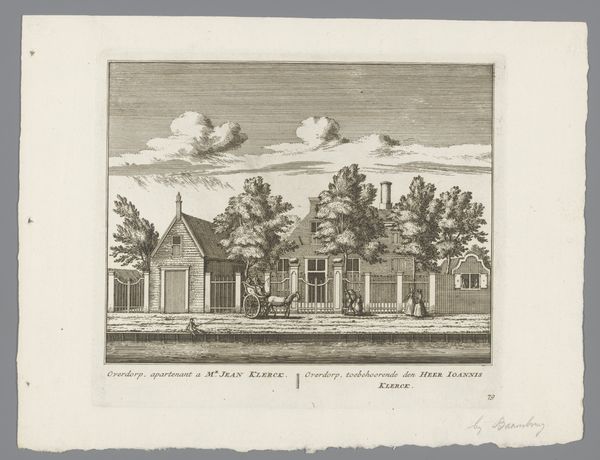
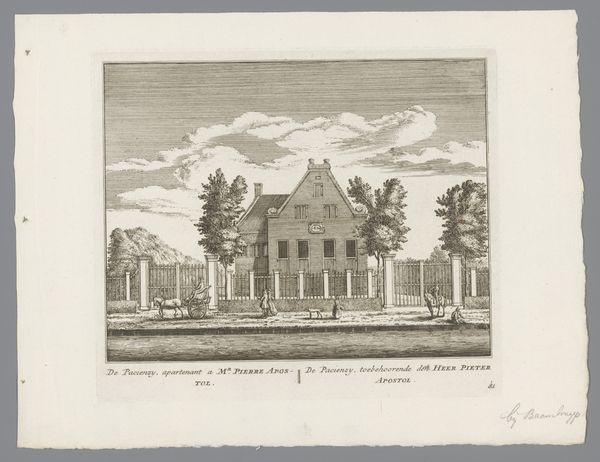
Albertus Verhoesen created "Ma Retraite te Zeist" using unknown materials. While undated, the artwork reflects a 19th-century Dutch perspective on retreat and leisure. The image depicts an idyllic country estate, a symbol of bourgeois aspiration and escape from urban life. It reflects the values of the rising middle class, who sought refuge in the countryside. The figures, including a man on horseback, hint at themes of status and mobility, markers of social identity and privilege. The very act of retreating to a country estate carried connotations of class and gender, often enabled by the labor of others. This was a period of significant social change, with emerging discussions around labor rights, and the role of women in society. Verhoesen’s work invites us to consider the complexities of identity and place in a rapidly changing world. It is a quiet reflection on the privileges afforded by social and economic status, and the yearning for tranquility.